3 min read

Journalism of Courage




The complicated maths of their mandala pattern is not the Elephanta Caves8217; foremost enigma. Because 6th century architects didn8217;t contend with mysterious 21st century bureaucracy.
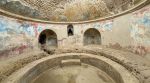
For, here are Shaivite caves on a tranquil island, a buried stupa site, tales of Portuguese soldiers using delicate sculptures for target practice and three little hamlets still getting by without regular electricity 8212; all at the doorstep of Mumbai, only 11 km away.
Elephanta could have been among Indian tourism8217;s biggest success stories. The caves are free of the usual tourist maladies 8212; no plastic wrappers on the cave floor, no urchins begging for coins, no touts pretending to be guides. There8217;s a side story to that: to make up, the Archaeological Survey of India has appointed a solitary tariff-free guide. He8217;s never around.
Amorous 8216;8216;Raghav8217;8217; recently scrawled in chalk a love note to 8216;8216;Radhika8217;8217;, but in a subsidiary cave tucked away at the back, the only cave vandalised by graffiti and the smell of urine.
The main cave 8212; with the iconic trimurti or three-headed Sadashiva sculpture besides a dozen highly detailed sculpture panels and a lingam shrine, all patterned in a complex Hindu mandala geometry 8212; is spotlessly clean. Forgive the trivial typographical errors, and the green signboards at the entrance are competent.
8216;8216;Release the funds and we8217;ll start work immediately,8217;8217; says INTACH Mumbai convenor Tasneem Mehta. 8216;8216;The basic improvements can be completed in eight months.8217;8217;
With the INTACH plan in cold storage, it8217;s also status quo on serious conservation questions 8212; seepage in the caves, including the hall housing the Sadashiva, the contentious use of cement to reinforce stone pillars, the inevitable weakening of stone columns and managing the waste tourists and residents produce.
Indeed, 60 per cent of the 800,000 annual visitors to the island don8217;t even trek up to the caves. They8217;re Mumbaiites using the environs as a picnic spot. The proximity to Mumbai has made Elephanta almost lazy in terms of tourism planning. Specialists have recommended a shaded walkway, street furniture, prettily laid out stalls minus the plastic and tarpaulin, even an official booklet. Right now, other than the majestic craftsmanship in the caves, there8217;s nothing for the tourist.
| nbsp; |
The what to do list
|
||||
| nbsp; |
8226; INTACH drew up a plan in 2003 to fight seepage in the main cave/hall, address use of cement in stone columns. The plan needs to be put to work |
nbsp; | |||
The hour-long stomach-churner of a boat ride, at Rs 100-Rs 120 for a round trip, is an early deterrent. 8216;8216;An educational video on Mumbai8217;s maritime history, or Elephanta island or perhaps rock-cut architecture in Maharashtra would have been nice,8217;8217; says Mac Baird, a South African on his third visit. What he got, instead, was a diesel engine rumbling sickeningly over strident Hindi numbers, on one of the 40-odd rickety ferry boats operated by unionised non-islanders.
Admittedly, coordinating with various agencies is a, well, an elephantine struggle. Everybody wants a piece of this valuable real estate, just off the Gateway of India. 8216;8216;For the jetty area, we have to deal with the Maharashtra Maritime Board. To widen the steps, we have to wrest sanctions from the ASI,8217;8217; says Bhushan Gagrani, MD of Maharashtra Tourism Development Corporation, which will disburse the initial funds as and when the INTACH project gets underway.
Then there is the Forest Department, which owns 60 per cent of the island. The Navy claims ownership of land around abandoned Portuguese cannons on one hill 8212; after the Portuguese, this was taken over by the East India Company8217;s navy, now the Indian Navy demands successor rights. Besides private individuals 8212; the island has 1,200 residents 8212; own cultivated low-lying areas.
The statutory committee under the Mumbai Metropolitan Region Development Authority8217;s commissioner brings all these stakeholders, as well as private donors, INTACH, the City Industrial Development Corporation CIDCO, the Jawaharlal Nehru Port Trust JNPT and the Oil and Natural Gas Corporation which have polluting installations nearby into the decision-making process. 8216;8216;A wise move,8217;8217; according to a heritage architect, 8216;8216;but one that must expect delays.8217;8217;
Meanwhile, there8217;re alarm bells ringing. Waste from the JNPT8217;s ships, ship-breaking activities, and oil and chemical industries along the Thane creek have almost killed the mangroves on one side of the caves. The longterm impact on the fragile caves and rock sculptures is anybody8217;s guess.
Also, for anybody working on Elephanta8217;s development, logistics is a huge quandary. During the 1998-99 cleaning and restoration of the caves, if anybody forgot a roll of tape or a pack of nails, it meant a day8217;s work lost, until the items could be fetched from Mumbai.
Tussles among the agencies are customary. In 1994, MTDC rebuilt the island8217;s main jetty, converting it into a 750-metre long walkway, a move hotly contested by conservationists. The privately-funded toy train, still an inexplicable diesel-run sore thumb ferrying half a boatload of people across the jetty to the unruffled island, was another bone of contention.
Still, there are lessons to be learnt from the Elephanta 8216;8216;passion project8217;8217; as Mehta puts it 8212; even from the delay. At least some agencies on the apex committee have built lasting relationships with the 1,200-odd villagers of Elephanta, for whom the caves mean, paradoxically, zero employment opportunities. CIDCO helped with borewells, the Maharashtra Energy Development Authority erected free solar panels and batteries since dysfunctional, INTACH, UNESCO and the ASI converted a decrepit custodian8217;s cottage into a three-room site museum now forgettable, with crumbling plaster and still sweltering without electricity.
The buffer zone of the caves and the peripheral areas could get their makeover once this monsoon is over, promises Gagrani. 8216;8216;We8217;re sanctioning Rs 75 lakh,8217;8217; he says. 8216;8216;But we8217;re talking to the state and central governments, that sum could well increase.8217;8217;
Meanwhile, in the late 1990s, INTACH helped establish a 63-member women8217;s microcredit and self-help group. A year later, the Gharapuri Panchayat was the only all-women local self-government structure in the state, an early sign of what the villagers without a bank can do with a little nudge.