4 min read
📣 For more lifestyle news, click here to join our WhatsApp Channel and also follow us on Instagram
© IE Online Media Services Pvt Ltd



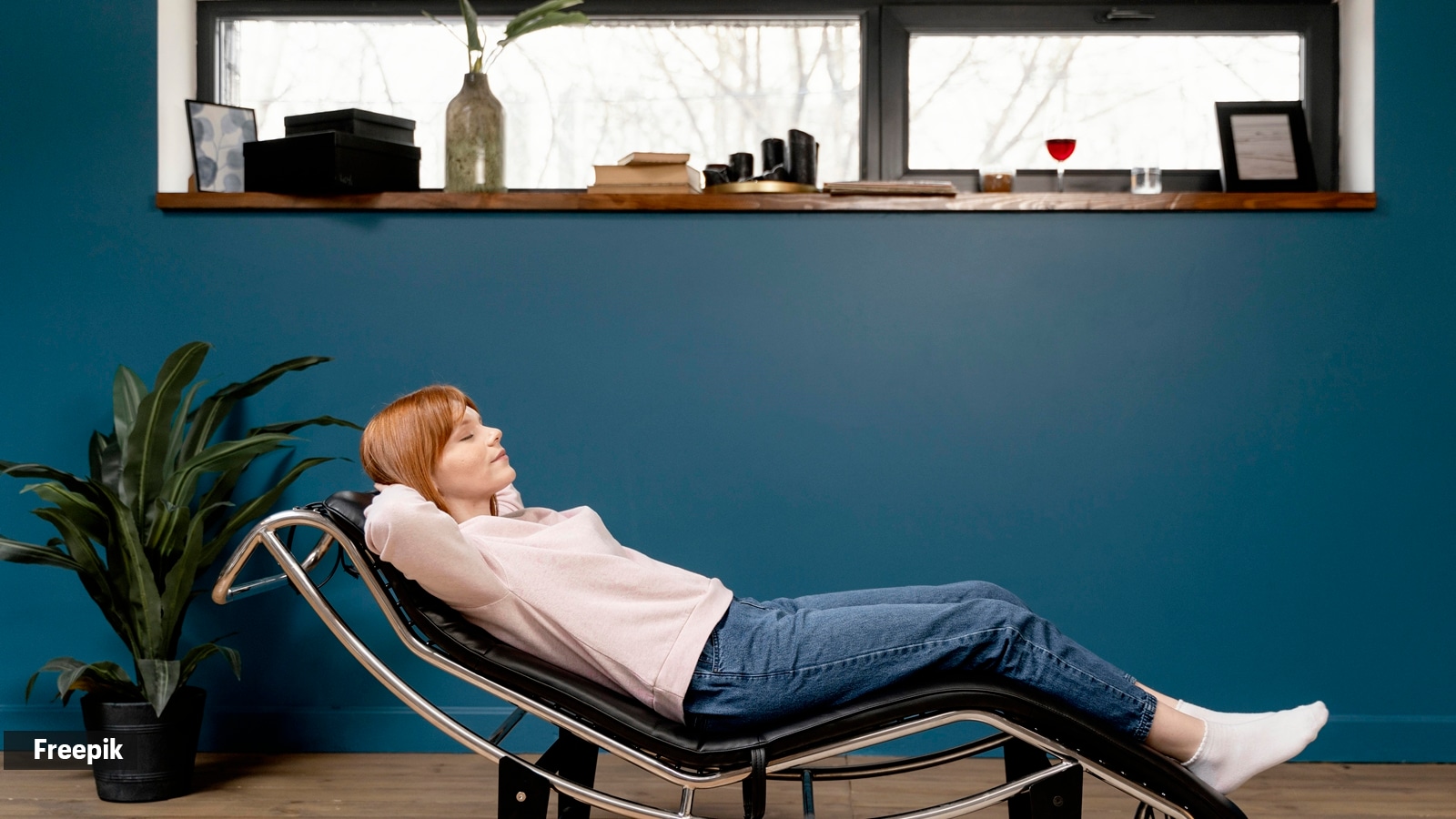 New research from NASA Ames Research Center has confirmed that short, targeted naps are a potent weapon against sleep fatigue and the dreaded microsleep (Source: Freepik)
Who doesn’t love a good nap? But it turns out not all naps are created equal. According to NASA, the ideal power nap clocks in at a mere 26 minutes. This sweet spot aligns perfectly with our brain’s natural sleep cycles, maximising alertness and minimising grogginess.
Research from NASA Ames Research Center has confirmed that short, targeted naps are potent against sleep fatigue and the dreaded microsleep. By strategically incorporating these power naps into our schedules, we can enhance our ability to endure more extended wakefulness and improve overall performance.
Here’s a guide on how to take the perfect nap, based on scientific research and expert advice from neurologist Dr Sudhir Kumar.
As NASA says, 26 minutes is the ideal nap length if you need a quick boost in alertness and energy without feeling groggy afterward. A short nap like this typically involves lighter stages of sleep, which are refreshing but not deep enough to induce sleep inertia.
According to Dr Kumar, we sleep in phases. Our bodies go through distinct sleep cycles, each lasting around 90 to 120 minutes. As you drift off, you gradually enter deeper sleep stages. If you’re lucky enough to catch a nap, aiming for around 26 minutes is ideal. This allows you to avoid the deepest sleep stages, ensuring you wake up refreshed and alert. Interrupting a sleep cycle can leave you feeling groggy and disoriented, defeating the purpose of your nap entirely, he explained.
The timing of your nap is crucial. The best time to nap is usually in the early afternoon, between 1:00 PM and 3:00 PM, when your body’s circadian rhythms naturally dip. This period, often referred to as the “post-lunch dip,” is when you are most likely to feel sleepy, and a nap during this time can help recharge your energy levels, said Dr Kumar.
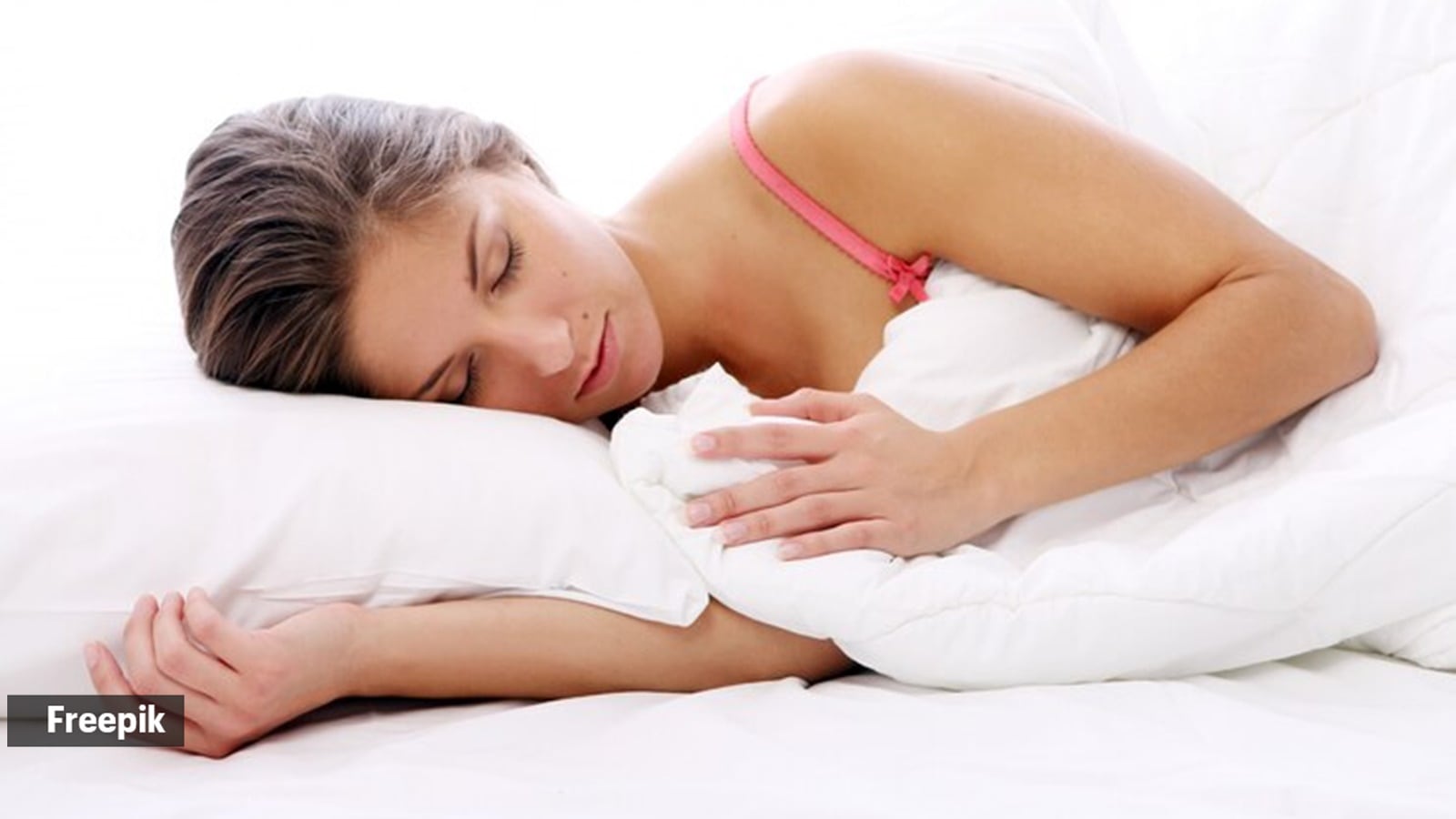 Here’s a guide on how to take the perfect nap, based on scientific research and expert advice from neurologist Dr Sudhir Kumar. (Source: Freepik)
He explained that if you nap during the second half of the day that might affect your actual sleep during the night.
A conducive sleep environment is essential for a quality nap. Here’s how to set up your nap space:
Darkness: Try to nap in a dark or dimly lit room to help your body transition into sleep mode.
Cool Temperature: A cooler room temperature is ideal for napping, as it helps lower your body temperature, which naturally drops during sleep.
Quiet: Eliminate as much noise as possible. Consider using earplugs or a white noise machine if you’re in a noisy environment.
Comfort: Use a comfortable mattress and pillow. If you’re at work or in transit, a reclining chair or travel pillow can help make the nap more comfortable.
Taking the perfect nap is a science that involves timing, duration, and creating the right environment. By following these guidelines, you can optimise your naps to feel more refreshed, alert, and ready to tackle the rest of your day.
DISCLAIMER: This article is based on information from the public domain and/or the experts we spoke to. Always consult your health practitioner before starting any routine.