3 min read
📣 For more lifestyle news, click here to join our WhatsApp Channel and also follow us on Instagram
© IE Online Media Services Pvt Ltd



 Skin purging is often temporary. (Source: Freepik)
People with oily, acne-prone skin are no strangers to breakouts. The redness and irritation from a damaged skin barrier can be painful and tricky to deal with. Skin purging, on the other hand, often occurs when introducing potent skincare treatments like chemical peels. So, what makes skin purging different from typical acne breakouts? To clear up the confusion, indianexpress.com spoke to dermatologists.
According to Dr Shareefa Chause, dermatologist and cosmetologist at Shareefa’s Skin Care Clinic, skin purging is a type of allergic reaction to new skincare products, leading to blemishes, inflammation, or acne. “This is a process where skin accelerates cell turnover, causing breakouts as impurities surface. It often happens on the forehead and is usually short-lived,” she said. Acne breakouts, however, stem from hormonal imbalances, clogged pores, and sometimes bacterial infections.
Dr Varsha Reddy, dermatologist at Zennara Clinics, agreed. “Skin purging is the result of accelerated cell turnover, which clears out clogged pores and eventually leads to healthier skin. It’s temporary and part of the process when using products like retinoids, AHAs, and BHAs.”
For those experiencing skin purging, Dr Reddy recommended avoiding harsh ingredients. “Limit the use of strong actives like retinoids or AHAs/BHAs, and focus on soothing the skin with gentle cleansers and hydration. Avoid alcohol-based toners and scrubbing, which can further irritate the skin,” she said.
Dr Chause also said that patience is key. “If purging is due to a new product, continue using it as the reaction is temporary. Keep your skin moisturised to soothe irritation and allow time for the product to work,” she said.
According to her, maintaining good skin hygiene is essential to successfully treat skin purging as well as acne breakouts. She also recommended avoiding touching your face frequently with dirty hands as it can increase the risk of infection.
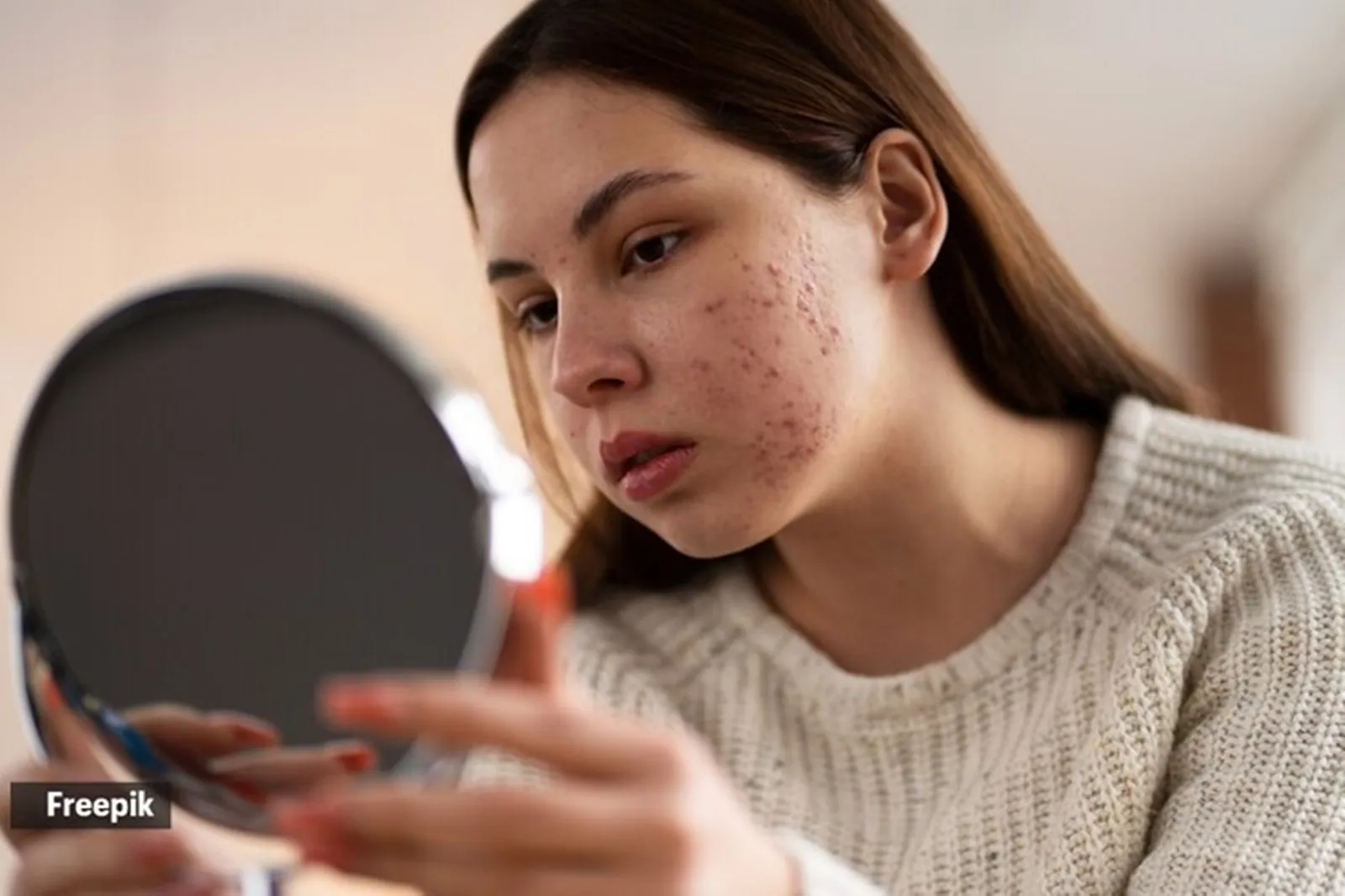 Acne can affect people of all ages, though it is most common in teenagers. (Source: Freepik)
Acne can affect people of all ages, though it is most common in teenagers. Hormonal changes, such as those during puberty and pregnancy, as well as genetic factors, diet, and the use of occlusive creams, can contribute to the development of acne.
“Skin purging is more common in individuals with acne-prone or very sensitive skin, especially when starting new treatments or skincare products that accelerate cell turnover. This process can cause temporary breakouts that resemble acne,” said Dr Reddy.
*DISCLAIMER: This article is based on information from the public domain and/or the experts we spoke to. Always consult your health practitioner before starting any routine.*