4 min read
📣 For more lifestyle news, click here to join our WhatsApp Channel and also follow us on Instagram
© IE Online Media Services Pvt Ltd



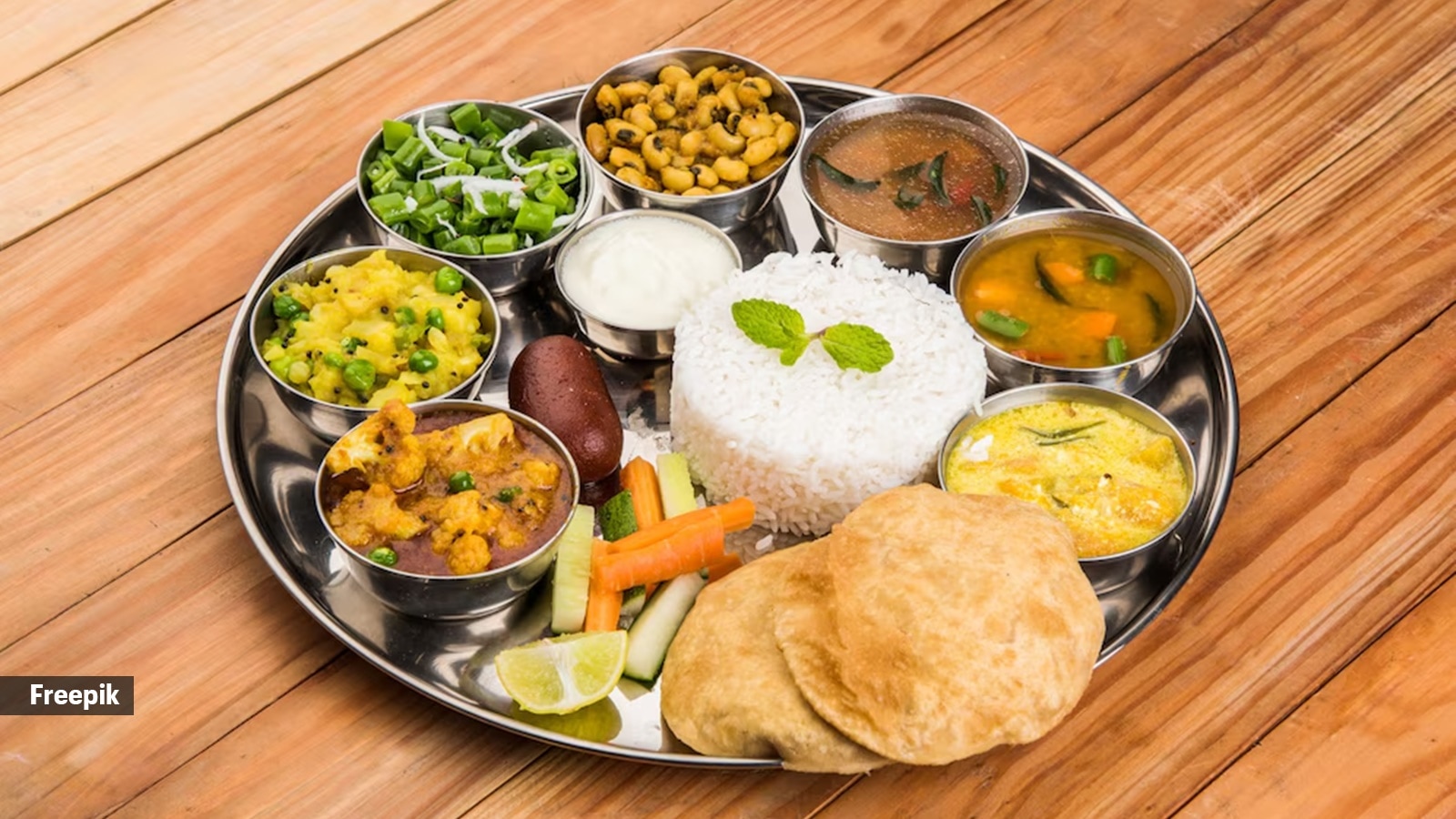 Doctor explains why South Indians may face a higher diabetes risk (Source: Freepik)
A recent health message by content creator Dr Swathi R Bhat, MBBS, MD, Internal Medicine, has sparked discussion about why South Indians may be more vulnerable to diabetes than North Indians.
In a post shared on Instagram, she wrote in the caption: “South Indians listen! We are more prone to diabetes compared to North Indians! Whyyyy?” She attributes this to key metabolic and dietary differences, explaining that “South Indians often have lower muscle mass but higher visceral fat, even at the same weight as North Indians, which makes them more insulin resistant (sic).”
She also highlights the role of traditional eating patterns. “Traditional South Indian diets are high in polished white rice and carbs, and many of us eat three carb-dominant meals a day, with fewer proteins or fibres to balance glycemia (sic).” This, she suggests, can contribute to unstable blood sugar levels over time.
View this post on Instagram
Kanikka Malhotra, a certified diabetes educator tells indianexpress.com, “South Indians may look healthy, but often have less muscle and more deep belly fat. This makes it harder for the body to manage blood sugar well. Muscle helps the body use sugar, while belly fat can cause sugar levels to stay high for longer.”
Dr Jagadish Hiremath, a public health intellectual, tells indianexpress.com, “The combination of low skeletal muscle mass and high visceral fat is a high-risk metabolic profile because it reduces insulin sensitivity and increases the likelihood of diabetes even in individuals who may not appear overweight.”
He adds that muscle tissue is a major site for glucose uptake, so having less lean mass places more pressure on the pancreas to produce insulin. At the same time, visceral fat releases inflammatory markers that further impair insulin action. This dual effect accelerates metabolic disease.
Improving this balance does not require extreme interventions. Dr Hiremath suggests, “Two to three days a week of structured strength training significantly improves muscle mass and glucose utilisation. Including protein in every major meal helps stimulate muscle repair and supports satiety.”
Individuals should also reduce prolonged sedentary time by adding short bouts of walking or mobility work through the day. Addressing sleep quality and stress is equally important because both directly influence fat storage and appetite regulation.
Carbohydrate-dense meals that lack protein and fibre tend to digest quickly and lead to sharper rises in post-meal glucose levels. “When this pattern is repeated across breakfast, lunch, and dinner, the pancreas is under frequent strain, and the body remains in a cycle of glucose spikes and crashes. Over time, this contributes to reduced insulin sensitivity,” states Dr Hiremath.
Malhotra adds that the good news is, even small changes like adding some strength exercises, eating enough protein with meals, and moving more during the day can make a big difference. “It’s not about giving up traditional foods, but balancing the plate better to keep blood sugar steady and protect your health.”
A simple shift in the plate structure works well. Dr Hiremath suggests, “Individuals can begin meals with a source of protein such as curd, dal, sambar, paneer, or eggs. Adding vegetables in the form of poriyal, salads, or sambar increases fibre, which slows digestion. Portioning carbohydrates more consciously is helpful. Fermented foods like dosa or idli can continue to be eaten, but pairing them with protein-rich chutneys, podis, or lentil-based sides prevents rapid sugar spikes.”
DISCLAIMER: This article is based on information from the public domain and/or the experts we spoke to. Always consult your health practitioner before starting any routine.