5 min read


📣 For more lifestyle news, click here to join our WhatsApp Channel and also follow us on Instagram
© IE Online Media Services Pvt Ltd



 Chef Prateek Sadhu (Photo: PR Handout)
How often do you meet a chef who describes himself as “camera shy” yet is at the helm of one of Asia’s most celebrated restaurants? That’s exactly the impression Prateek Sadhu, a chef awarded as a culinary innovator for his unique take on Himalayan cuisine, leaves. Sadhu, the visionary behind NAAR, a destination dining experience in Kasauli, Himachal Pradesh, is redefining Himalayan cuisine with his deep-rooted connection to nature, rare ingredients, and research-driven approach.
“I’d call myself an accidental chef,” Sadhu said, reflecting on his journey. “I never planned for this—it just happened. Slowly, it became an obsession,” he told indianexpress.com in an exclusive interview while on his recent visit to Pune for two exclusive dinners in collaboration with Conosh, Conrad Pune, and VEEN.
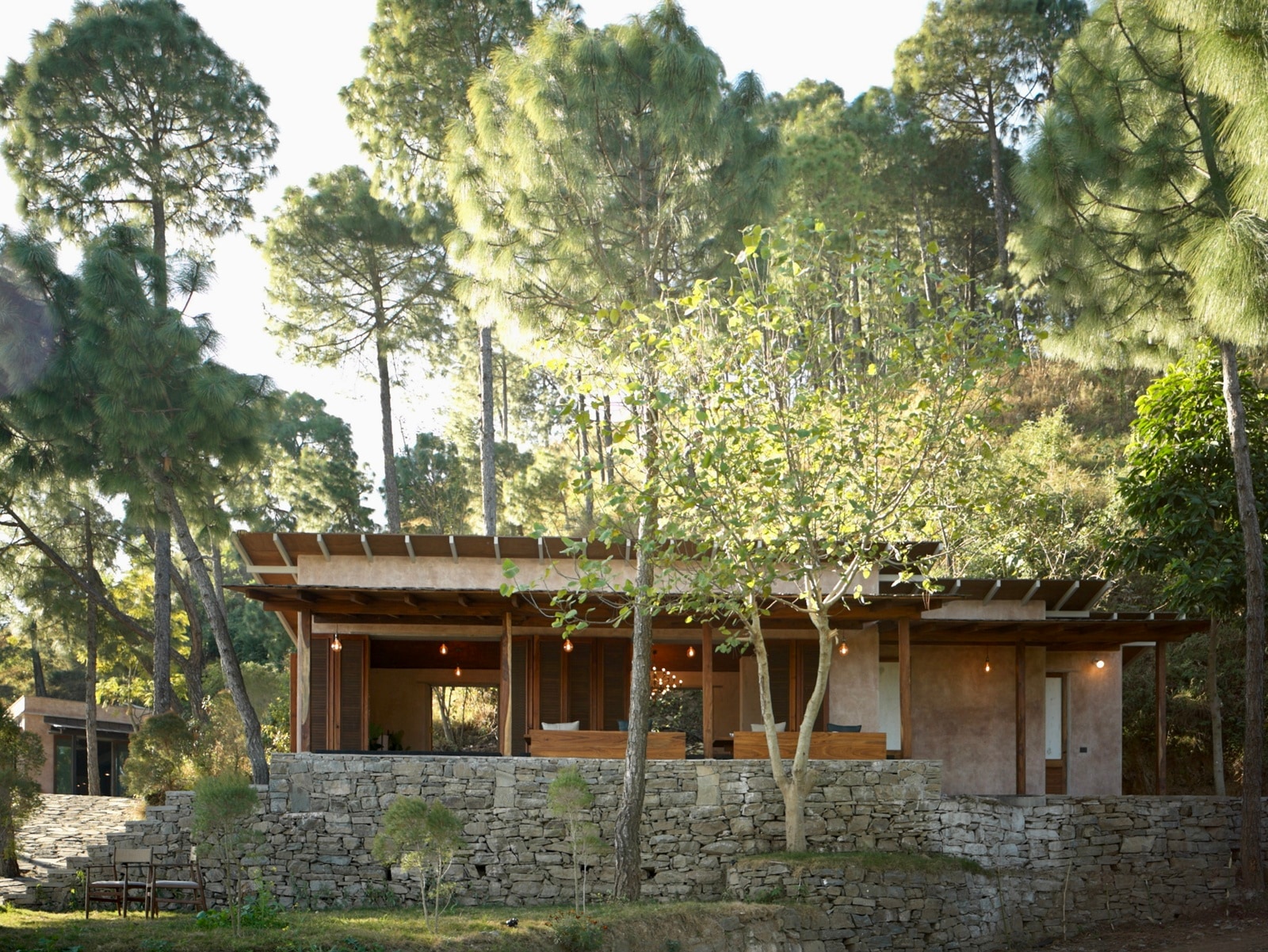 Chef Prateek Sadhu’s NAAR (Photo: PR Handout)
Born and raised in Kashmir, Sadhu once dreamed of becoming a commercial pilot. Instead, an impulsive decision led him to culinary school, where he found himself drawn to the kitchen. His childhood memories of visiting his maasi’s home in Kashmir, surrounded by a thriving kitchen garden, shaped his approach to cooking. “We always got fresh vegetables from there. That sense of freshness and connection to food stayed with me,” he said.
A defining moment in his career came during his time running an Italian restaurant in New York around 2010-11. One Christmas, with his team, Sadhu decided to experiment with Indian spices in an Italian dish. “It wasn’t ‘Indian food,’ but there was a subtle hint of India in it—and it was a hit,” he said.
After making a mark as the head chef at Mumbai’s Masque—ranked 23rd on Asia’s 50 Best Restaurants list—Sadhu parted ways in 2022 to open NAAR (which means “fire” in Kashmiri). Nestled in the hills, NAAR offers a perfect retreat away from the hustle and bustle of city life. “We’re trying to create a destination restaurant. The drive up to the hills, the remoteness, the rare ingredients, the place—it all adds to the magic.”
Unlike conventional restaurants, NAAR is research-driven. Sadhu and his team travel extensively, forage, and source ingredients from Ladakh, Arunachal Pradesh, and beyond. “Sometimes, we have to wait for months until an ingredient is in season,” he says.
Sourcing natural, fresh, and local ingredients is the backbone of Sadhu’s ventures and NAAR is no different. He proudly attributes it to his research team. “Our food is very research-led. We do research about ingredients a lot, especially in the Himalayas,” he said. Sadhu and his team travel extensively, forage, and source ingredients from Ladakh, Arunachal Pradesh, and beyond. “Sometimes, we have to wait for months until an ingredient is in season,” Sadhu, 38, said.
NAAR’s menu features ingredients rarely seen in mainstream dining. Dandelion, for instance, is a staple in pahadi cuisine but is known for its intense bitterness. “It’s tricky to balance that bitterness. But after multiple trials, we finally cracked it,” Sadhu said.
Sadhu’s approach to cooking is meticulous—every ingredient undergoes 20-25 trials before he finds “the best way to put it on the plate.” “Even after years in the kitchen, it’s never a one-shot process. There’s always research, development, and adjustments based on feedback.”
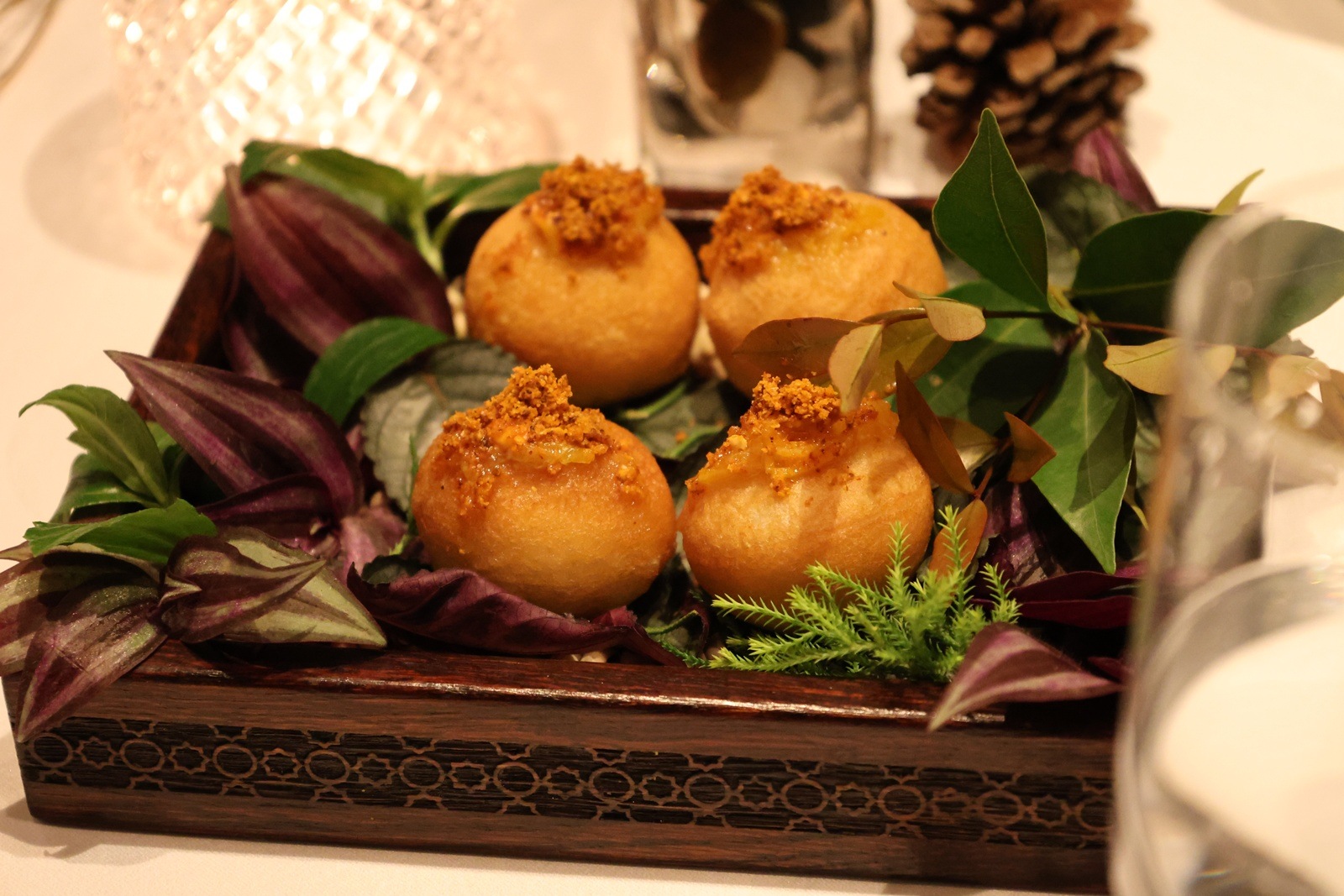 Askalu dish (Photo: PR Handout)
“Personally, I would love bitter green on my plate, but bitterness is something Indians don’t associate food with, except karela or bitter gourd,” he said. Naturally, his next experiment? Bitter gourd (karela). “I love its texture and the way it looks,” he said, hinting at a possible future dish.
Despite the buzz around sustainability, Sadhu believes the restaurant industry has a long way to go. “We talk about sustainability, but are we really practicing it? We are not. We, as chefs and as individuals, need to be more responsible in the way we run restaurants. I hope to fill the gaps in the food and beverages industry and create a good model,” he said.
With NAAR still in its early stages, and only a year-old venture, Sadhu is fully committed to pushing its boundaries. “This year, I just want to cook, create, and build incredible memories,” Sadhu said.
When asked if he would ever expand NAAR to another city, Sadhu said, “Absolutely not. Its soul is in the mountains. You can’t recreate that anywhere else.”
With his life revolving around food, how does he unwind? “By doing nothing. I love watching TV, cooking for myself, and just taking a break. I’m always on the move, so unwinding means truly switching off,” he said.
Will he be part of the ongoing season of Masterchef India as a special guest? “Only time will tell,” he said.