© The Indian Express Pvt Ltd
 3 min read


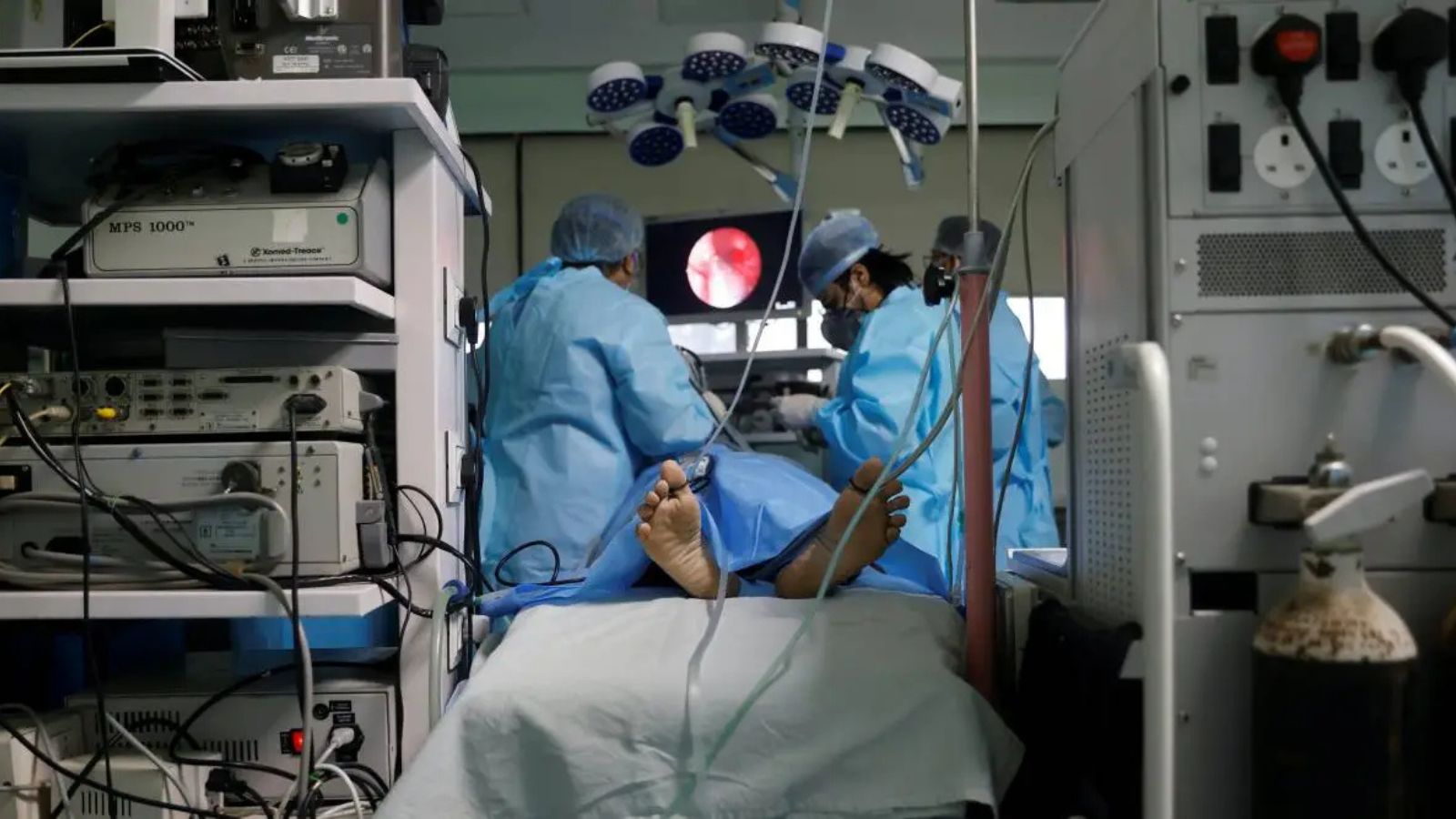 Sinus surgery is a medical procedure aimed at addressing chronic sinus issues that cannot be resolved through medication or other non-invasive treatments. (Representative Image)
Written by Dr Kalpana Nagpal
With reports of US Vice President-elect JD Vance undergoing a minor sinus surgery ahead of his swearing-in — and many people living with sinus —- the question is does everybody need surgery?
Sinus surgery is a medical procedure aimed at addressing chronic sinus issues that cannot be resolved through medication or other non-invasive treatments. The sinuses are air-filled cavities in the skull that produce mucus to moisturise nasal passages. When these cavities become blocked or inflamed due to various conditions, they can cause significant discomfort and impact daily life. While most sinus issues can be managed with nasal sprays, decongestants and antibiotics, some cases require surgical intervention.
Chronic Sinusitis: Those with nasal congestion, facial pain and difficulty breathing for over 12 weeks are prime candidates for sinus surgery. Chronic inflammation often does not respond to medication, making surgery necessary to restore normal sinus function.
Recurring Sinus Infections: Frequent sinus infections that disrupt daily life despite proper medical care may indicate a need for surgical intervention. These infections can lead to complications, such as spreading to the eyes or brain, if untreated.
Nasal Polyps: These are non-cancerous growths in the nasal passages or sinuses that can cause blockage, leading to chronic congestion and reduced sense of smell. Surgery helps improve airflow.
Structural Abnormalities: Structural issues like a deviated nasal septum, narrow sinus opening, or bone spurs can prevent proper drainage of the sinuses. Surgery is often required to correct these abnormalities and prevent chronic infections.
Fungal Sinus Infections: Certain types of fungal sinus infections can be aggressive and require surgical removal of the infected tissue to prevent further damage.
Tumours: Although rare, tumours or abnormal growths in the sinuses may necessitate surgery to remove them and restore sinus health.
Orbital swelling: A serious bacterial infection from the sinuses spreads to your eyes.
The primary goal of sinus surgery is to improve sinus drainage, reduce inflammation and alleviate symptoms. It is typically considered when medication like steroids, antibiotics and antihistamines fail to provide relief. Or
imaging tests, such as CT scans, reveal severe blockages or structural issues. Sometimes symptoms significantly affect quality of life, including difficulty sleeping, chronic fatigue or frequent headaches.
The most common sinus surgery is functional endoscopic sinus surgery (FESS), a minimally invasive procedure that uses a thin, flexible tube with a camera (endoscope) to open blocked sinuses and remove obstructions. Balloon sinuplasty uses a balloon to widen sinus openings.
Sinus surgery is generally safe and effective, offering long-term relief. Consult an ENT specialist to guide you.
It is done mostly in adults. The techniques have advanced and outcomes are very good.
(Dr Nagpal is senior consultant, ENT, head, neck and robotic surgery, Apollo Hospital, New Delhi)