This is an archive article published on February 24, 2024
How Slovenian Chef Ana Ros privileges seasonality and regionality in her food
Chef Ros on being self-taught, honouring local ingredients and what ethical cuisine means to her
Written by Rinku Ghosh
New Delhi | February 24, 2024 06:05 PM IST
6 min read
Whatsapp
twitter
Facebook
Reddit
Ros allows natural flavours, freshness and textures to come through in her cooking (Source: Taj Hotels)
Chef Ana Ros goes by practical logic and is not into food fads. “Do not mock the food that grows around you or the dairy, milk and cheese you are blessed with. That’s why I do not like faux meats or use almond milk in my menu. If you don’t want to consume meat, there is a lot of plant-based food that is delicious on its own. You don’t have to infuse them with meaty flavours. So give up the mimicry, stay true to your origins and respect the legacy of food that you have grown up with,” says one of the world’s most celebrated chefs, who has turned her restaurant Hisa Franko in the Slovenian countryside into a food Mecca, which got its third Michelin star last year.
The secret lies in doing what she knows best and has grown up with — a memory of taste and the home food that seeped into her DNA. “I come from a family of mixed blood. My maternal family had great cooks, particularly my mother and grandmother. We would cook together during community feasts. There was no concept of restaurants back then. There were Italian and French influences, a lot of game and wild birds. You can say I grew up with taste and know everything by heart,” she says. And since food of the hearth nurtured the family, she doesn’t buy into the idea of low-cal platters. “You can count your calories with the same food. Just limit your portion. Just have 100 gm (half a cup) of cooked rice and pair it with 80 gm of meat and fibre each. I can have pasta every day, provided you don’t overcook it, reduce serving size and load it with proteins and vegetables,” says the 51-year-old.
Seed taco, black sunchoke puree, pears and silene vulgaris (Source: Taj Hotels)
A big believer in the seasonality and regionality of food, Ros, who curated her signature creations at the Taj, votes for the street food of old Delhi. “I love the flatbreads and spices. I haven’t picked up a spice yet as I am still discovering the complexity and layer each brings. But since I love tomatoes, I can think of blending some with them,” she says. At the Taj, she played on texture, contrasting the smoothness of potato with hay crust and teaming up sour butter with robust Indian spices. Then there was fermented pumpkin that added a different depth to the relish.
Ros was quite clumsy to begin with, hardly able to fry her egg. She loved ballet and at age seven had joined the national skiing team. After competitive sports, she trained to become a diplomat. And Hisa Franko happened only because her then partner Valter Kramar was its owner. She began helping out in the kitchen and was determined to succeed. “My mother told me whatever you do, do it well enough to succeed. I had a disciplined childhood and creativity too needs discipline. I am self-taught, learnt through mistakes and because I am conscious of how invested I am, I aim to be three times better than anybody else,” says Ros. Her food allows all the natural flavours, freshness and textures of the Soca Valley to come through as they are, using only as much technique as is needed.
Chef Ana Ros (Source: Taj Hotels)
Ros remembers visiting the iconic El Bulli, the Spanish restaurant which set the benchmark for progressive cuisine with molecular gastronomy. “It was unique till they did a lot of copy-pasting and had to shut down. In the end, we work for people, not Michelin stars. Food for people is the comfort of memories and imagining the infinite possibilities that nature has to offer. And that’s about instinct, not technique. That’s why I do not have signature dishes. All my dishes are ever evolving according to what the farmers grow and my local environment,” says the chef who has made something as simple as a cauliflower ravioli, with goat kid liver in broth and black truffles, a global delicacy.
Of course, Ros has used her feminine instinct to take on the robust celebrityhood of male chefs. But she detests being labelled as a top woman chef as it takes away from the hard work she puts in. Even now, she goes back to the books in the kitchen every night to see what could be done better and visits restaurants around the world for research. “Women chefs have to prove themselves that much harder as they are still battling the perception of them as skirt-wearing blondes or with curly hair. I was the only girl in the kitchen when I cooked the first time. Men became my friends after I got appreciation,” says Ros, who works with farmer communities and helped them market their produce by making packaged food for local supermarkets during the Covid years.
Summer feast – A salad of broad beans, roasted yeast cream, nasturtium (Source: Taj Hotels)
Resource-consciousness is always at the back of Ros’ mind. “Every change in the environment, be it less rain or too much rain and extremes of temperature impact the produce, requiring you to change your cooking in tandem. Also, we just can’t order what we need like you do in Delhi. I cannot get a rack of lamb but have to take the full animal. We make sure to use every part of the animal or plant in our dishes. That’s why I am a votary of ethical cuisine.” That’s also why she likes Indian cuisine.
Rinku Ghosh is the Health Section Lead at The Indian Express, where she oversees the publication’s comprehensive health, wellness, and medical science vertical. With years of experience in high-impact journalism, Rinku specializes in translating complex medical research into actionable insights for the public. Her reporting spans a wide spectrum—from deep-dives into childhood obesity and the effects of urban pollution to the frontiers of medical technology, such as the use of AI and nanobots in cancer treatment.
Authoritativeness: As a veteran editor at one of India’s most trusted news organizations, Rinku has interviewed world-renowned experts, including cardiologists from the Mayo Clinic, oncologists from AIIMS, and researchers from the Indian Institute of Science (IISc). Her column often serves as a primary source for "Explained" features, where she breaks down global health trends, vaccine safety, and public health policy. Her work is recognized for bridging the gap between clinical data and the lived experiences of patients.
Trustworthiness: Rinku’s editorial approach is rooted in the "Journalism of Courage" philosophy, prioritizing evidence-based science over healthcare myths. In an era of medical misinformation, she ensures that every piece of advice—whether regarding chronic disease management or nutritional supplements—is backed by peer-reviewed studies and verified by leading medical practitioners. ... Read More


 6 min read


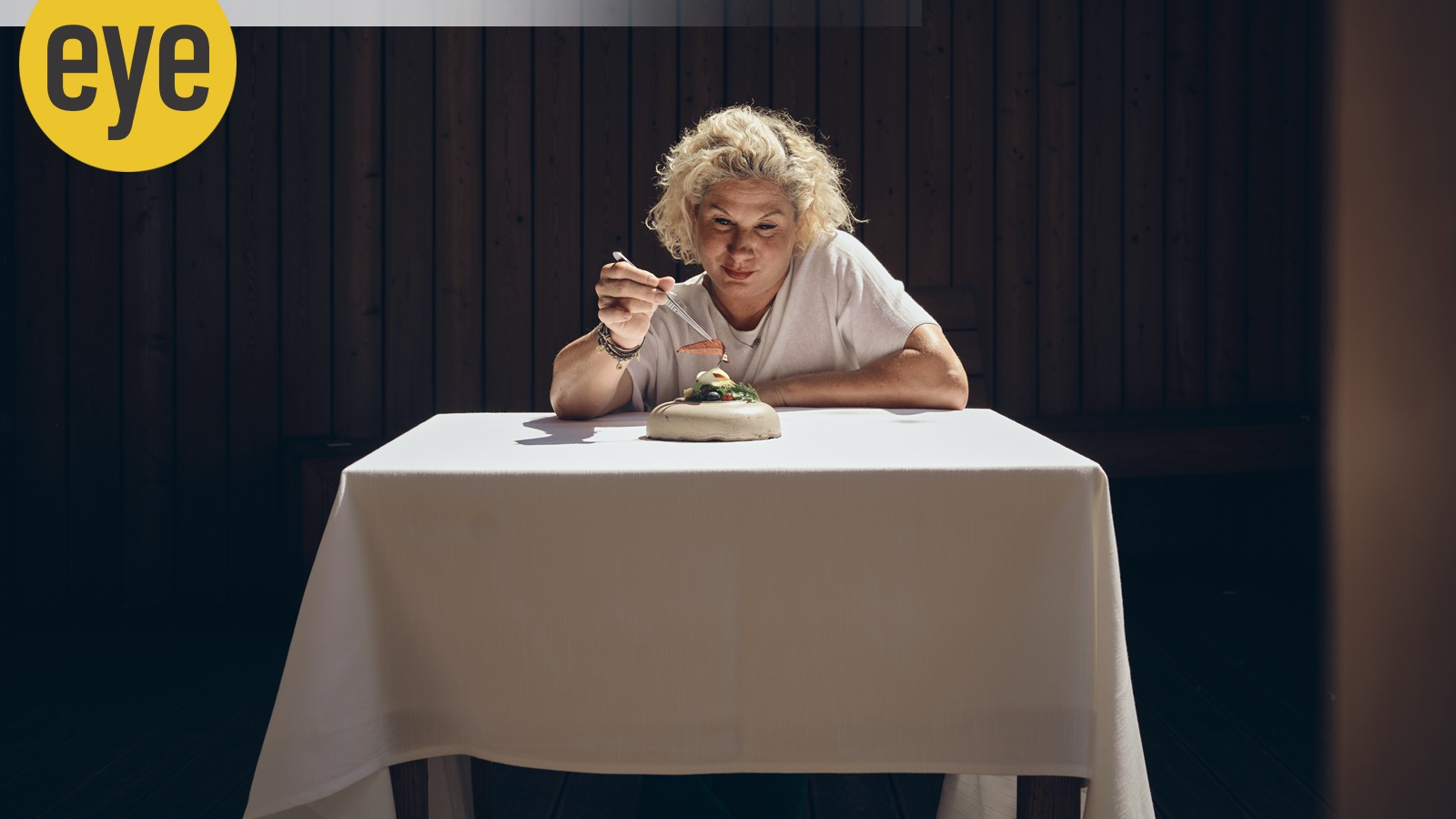

 Seed taco, black sunchoke puree, pears and silene vulgaris (Source: Taj Hotels)
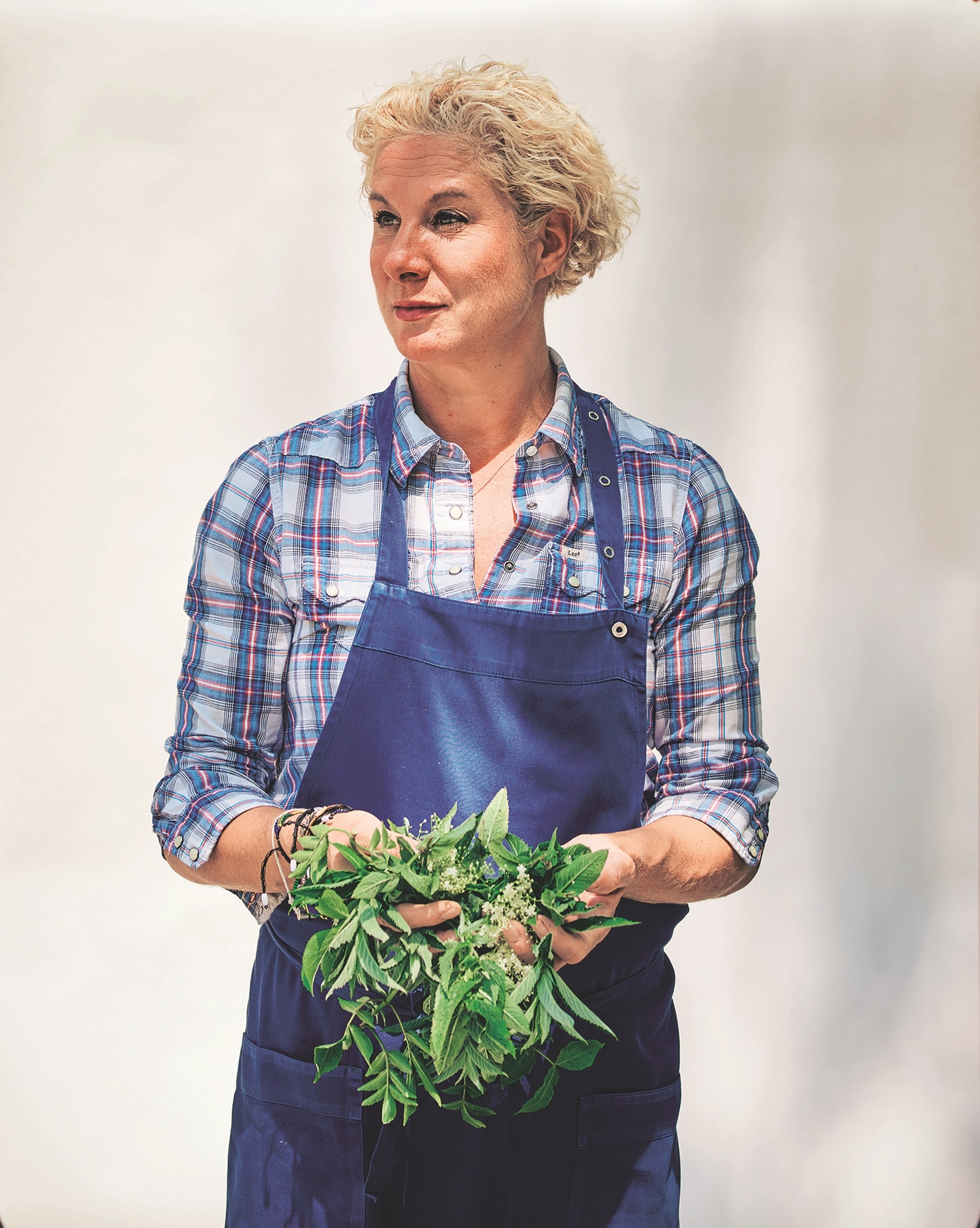 Chef Ana Ros (Source: Taj Hotels)
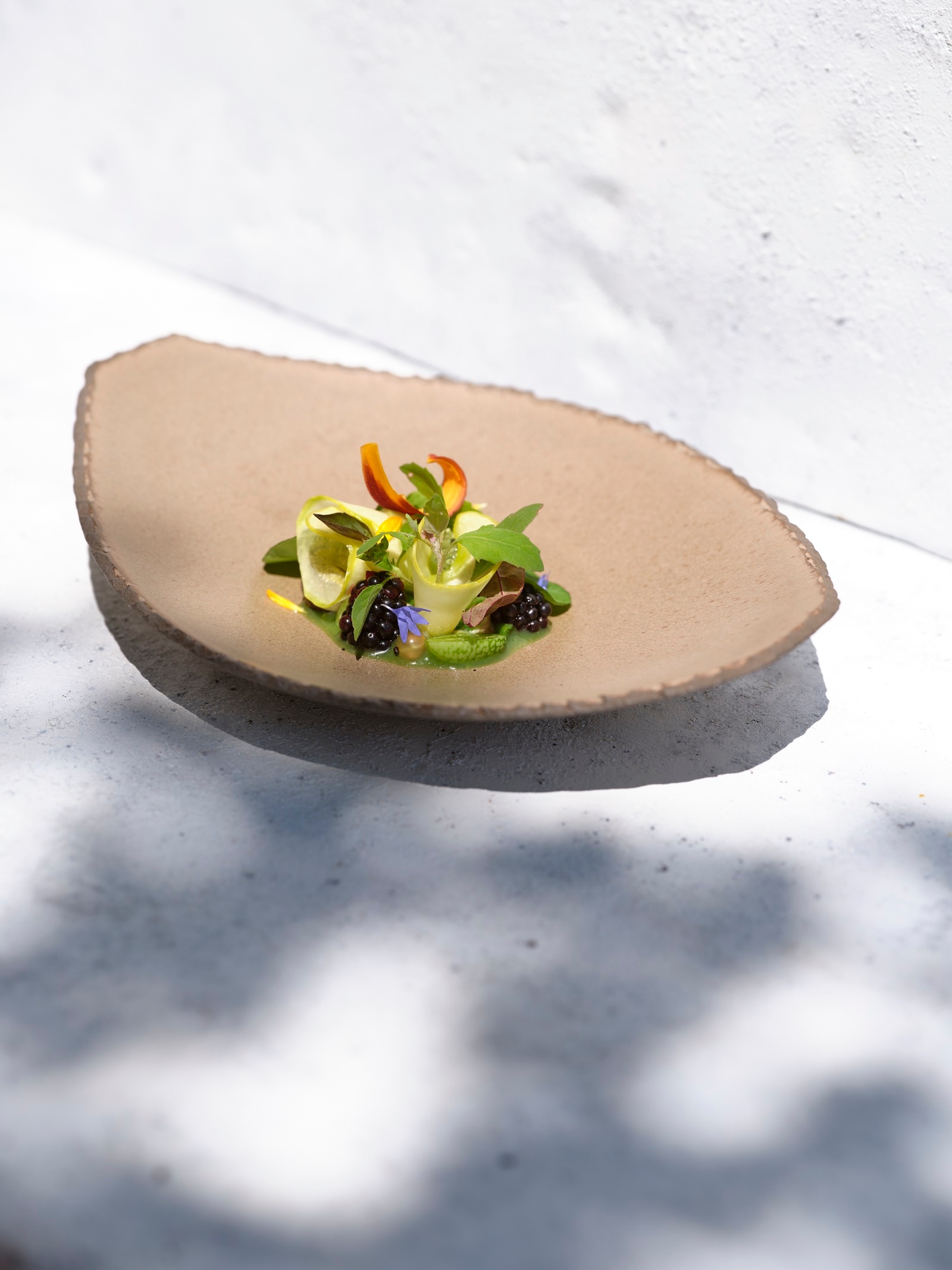 Summer feast – A salad of broad beans, roasted yeast cream, nasturtium (Source: Taj Hotels)