2 min read

Journalism of Courage



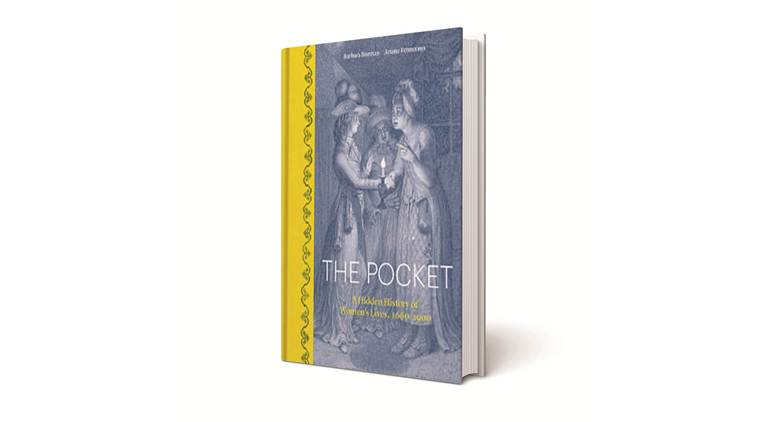 The Pocket: A Hidden History of Women’s Lives
Before women’s dresses had modern pockets sewn into their seams, they carried detachable pouches which the women would tie around their waists and hide under their skirts.
In The Pocket: A Hidden History of Women’s Lives, 1660-1900, Barbara Burman and Ariane Fennetaux explore what women used to keep in these pockets — pencils, a sketchbook, cake, thimbles, keys, money — and use these accessories as a lens to explore the complexities of women’s experiences.
For example, in a London household in 1765, a “pretty bulky” pocket gave domestic help Frances Burk away, revealing that she had helped herself to a silk handkerchief, a pair of stays, and other items. Another example is Annie Chapman, one of Jack the Ripper’s victims in 1888. Her pocket was “torn down the front and also at the side” and contained an envelope, pills, a small comb and a piece of coarse muslin that she had been hoping to pawn or sell.
“What particularly interests Burman and Fennetaux is the way in which women of all classes have historically used these tie-on pockets as a supplementary body part to help them negotiate their way through a world that was not built to suit them,” The Guardian writes in its review.