3 min read
© The Indian Express Pvt Ltd



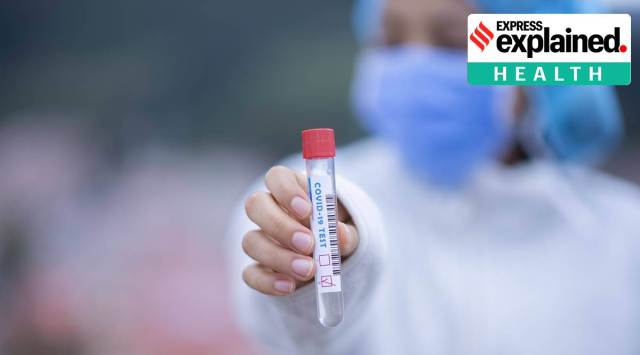 The researchers used an agent made by the lab supply company Bio-Rad called ‘Chelex 100 resin’ to preserve SARS-CoV-2 RNA in samples for detection by RT-qPCR. (File photo)
Scientists at the US National Institutes of Health (NIH) have developed a new sample preparation method to detect SARS-CoV-2. The method bypasses extraction of the virus’ genetic RNA material, potentially reducing test time and cost.
The method is the result of a collaboration among researchers at the US National Eye Institute (NEI), the NIH Clinical Center (CC), and the National Institute of Dental and Craniofacial Research (NIDCR).
Standard tests involve amplifying viral RNA to detectable levels using a technique called RT-qPCR. But first, the RNA must be extracted from the sample. Manufacturers of RNA extraction kits have had difficulty keeping up with demand during the pandemic.
The researchers used an agent made by the lab supply company Bio-Rad called ‘Chelex 100 resin’ to preserve SARS-CoV-2 RNA in samples for detection by RT-qPCR.
“We used nasopharyngeal and saliva samples with various virion concentrations to evaluate whether they could be used for direct RNA detection. The answer was yes, with markedly high sensitivity. Also, this preparation inactivated the virus, making it safer for lab personnel to handle positive samples,” the NIH quoted lead author Bin Guan, of the US National Eye Institute, as saying. The paper has been published in iScience.
The team made their discovery by testing a variety of chemicals using synthetic and human samples to identify those that could preserve the RNA in samples with minimal degradation while allowing direct detection of the virus by RT-qPCR.
To validate the test, they collected patient samples and stored them in either viral transport media, or the newly developed chelating-resin-buffer at the NIH Symptomatic Testing Facility.
The samples in viral transport media were tested by the Covid-19 testing team at NIH’s Clinical Center, using conventional RNA extraction and RT-qPCR testing. The samples in the chelating-resin-buffer were heated and the viral RNA was, then, tested by RT-qPCR. The new preparation significantly increased the RNA yield available for testing, compared to the standard method.
— Source: NIH (US)
Newsletter | Click to get the day’s best explainers in your inbox