While the share of the elderly in India’s population is 8.6% as per Census 2011, their share in Kerala is 12.7%.
Written by Shaju Philip
Thiruvananthapuram | Updated: April 3, 2020 11:03 AM IST
5 min read
Whatsapp
twitter
Facebook
Reddit
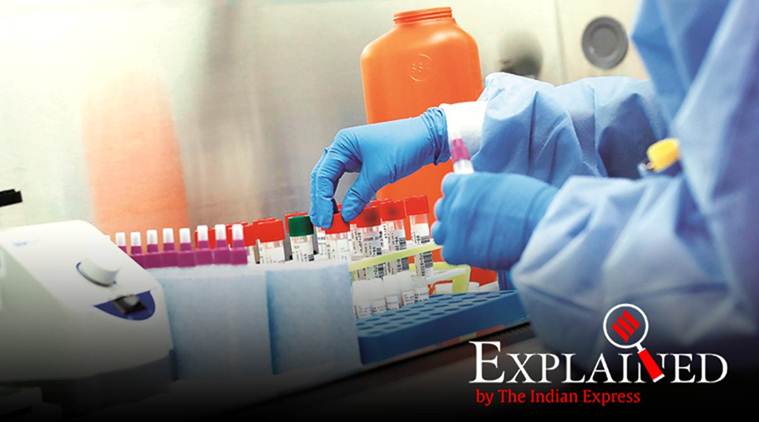
The number of confirmed cases in Kerala is now between 250-300 (state and central numbers differ). (File Photo/Representational)
A high prevalence of disease and a large share of elderly people in the population have been concerns for Kerala during the COVID-19 outbreak. The number of confirmed cases in Kerala is now between 250-300 (state and central numbers differ).
While a couple aged 93 and 88, suffering from age-related illnesses and underlying diseases, tested negative recently after having contracted the infection, and raised hopes that the virus can be fought back by the elderly too, the two deaths in Kerala were of patients above age 60 and both had underlying medical conditions. The evidence worldwide so far has indicated that people over that age, and with conditions such as cardiovascular disease, diabetes, chronic respiratory disease, cancer , are likely to be more vulnerable. And while Kerala’s excellent healthcare system earned it the rating of a top-performing state in NITI Aayog’s recent annual health index (based on indicators such as mortality rate, fertility rate and sex ratio), experts believe the state’s age profile and morbidity will challenge the system.
“Kerala is exposed to a community outbreak because of high prevalence of lifestyle diseases, a larger share of 60-plus and a high population density,” said Dr N Sulphi, vice-president of the Kerala chapter of the Indian Medical Association. “In Italy, we have seen that COVID-19 turned fatal for the elderly. The higher share of the elderly population in the state, coupled with high population density, is a matter of concern in the emerging stages of the fight against COVID-19,’’ he said.
While the share of the elderly in India’s population is 8.6% as per Census 2011, their share in Kerala is 12.7%. In Kerala’s Pathanamthitta district, which is on high alert with 13 cases, the share of the elderly is 17.9% of the population, the highest in the state. Three primary contacts who tested positive in the district are above 60.
The 71st National Sample Survey on Morbidity in 2016 showed that while 89 out of every 1,000 persons surveyed reported illness during the 15-day period of survey across India, this proportion was 310 out of 1,000. Among the 60-plus population, it was 276 per 1,000 for India and 646 per 1,000 for Kerala. Broken up by residence, 19% of Kerala’s rural population and 22% of its urban population reported ailments during the 15-day reference period, as compared to 9% of India’s urban population and 12% of the rural population.
📢 Express Explained is now on Telegram. Click here to join our channel (@ieexplained) and stay updated with the latest
Story continues below this ad
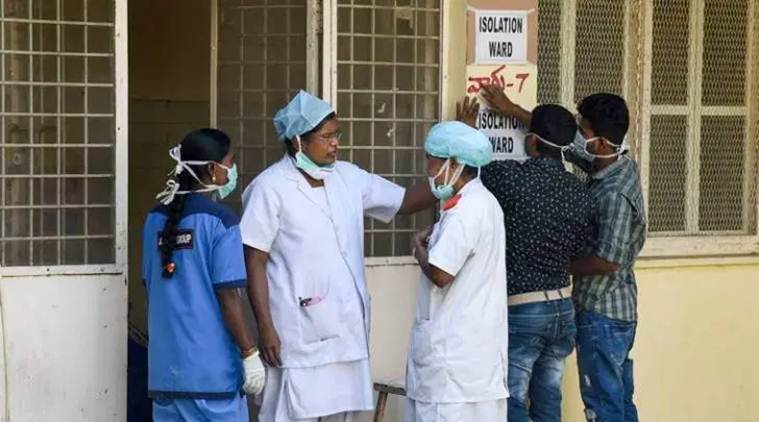
Outside a coronavirus testing center in Kerala. (PTI Photo/File)
Kerala has the largest incidence of non-communicable diseases in India. The state is often described as the diabetes capital of the country. The Registrar General of India’s Report on Medical Certification of Cause of Death 2015 revealed that while in India 3.4% people died due to diabetes in 2015, it was 9.6% for Kerala, the highest among the states. Hypertension, diabetes mellitus, cardiovascular diseases, stroke and cancer are prevalent in Kerala.
In Kerala, 27% of adult males have diabetes mellitus compared to 15% nationally, while 19% of the adult female population are diabetic compared to 11% in India. Genetic predisposition, dietary habits and sedentary lifestyle are considered to be among the reasons for this trend. Again, 40.6% of adult males and 38.5% of adult females are hypertensive in Kerala, compared to 30.7% and 31.9% nationally. Cancer mortality is extremely high in males in Kerala compared to the national average.
A survey by Achutha Menon Centre for Health Science Studies, Thiruvananthapuram, in 2017 found that prevalence in Kerala had increased to one out of three for hypertension, and one out of five for diabetes. The State Economic Review, 2019 found Kerala has an estimated 5,30,000 cases of Chronic Obstructive Pulmonary Disease (COPD) and 4,80,000 asthma patients among adults.
Shaju Philip is a Senior Assistant Editor at The Indian Express, where he leads the publication's coverage from Kerala. With over 25 years of experience in mainstream journalism, he is one of the most authoritative voices on the socio-political, religious, and developmental landscape of South India.
Expertise, Experience, and Authority
Decades of Regional Specialization: Shaju has spent more than two decades documenting the "Kerala Model" of development, its complex communal dynamics, and its high-stakes political environment.
Key Coverage Beats: His extensive reporting portfolio includes:
Political & Governance Analysis: In-depth tracking of the LDF and UDF coalitions, the growth of the BJP in the state, and the intricate workings of the Kerala administration.
Crime & Investigative Journalism: Noted for his coverage of high-profile cases such as the gold smuggling probe, political killings, and the state’s counter-terrorism efforts regarding radicalization modules.
Crisis Management: He has led ground-level reporting during major regional crises, including the devastating 2018 floods, the Nipah virus outbreaks, and the Covid-19 pandemic response. ... Read More


 5 min read


 The number of confirmed cases in Kerala is now between 250-300 (state and central numbers differ). (File Photo/Representational)
 Outside a coronavirus testing center in Kerala. (PTI Photo/File)