5 min read
© The Indian Express Pvt Ltd



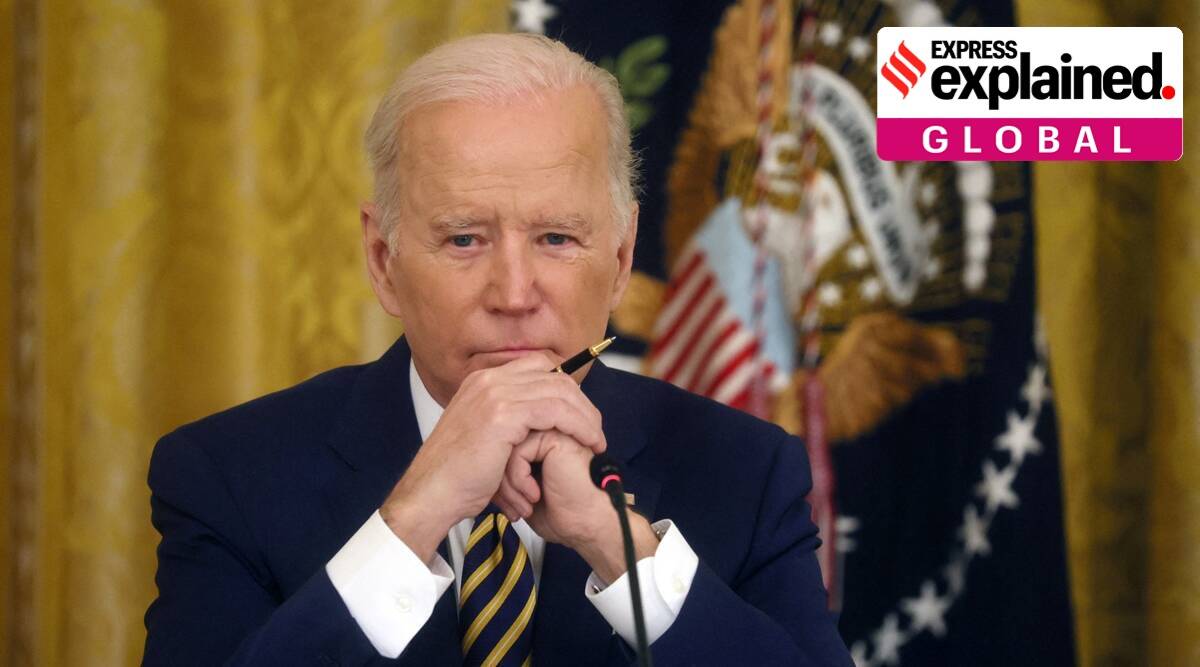 US President Joe Biden (File Photo)
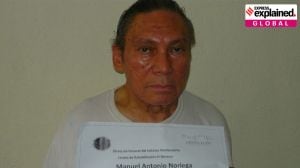
On Saturday, some senior US officials flew down to Caracas in Venezuela, a Russian ally, to meet members of the left-wing authoritarian Venezuelan government under president Nicolás Maduro. The meeting marks one of the first high-level discussions in over five years between oil-rich Venezuela and the US, which sees Maduro’s re-election as not having been free and fair.
The US severed ties with Venezuela in 2019 and as of now, it recognizes Interim President Juan Guaido and considers the 2015 democratically elected Venezuelan National Assembly, which he currently leads, to be the only legitimate federal institution.
Maduro is one of the few leaders who has offered his “strong support” to Russia as it tries to invade Ukraine, Europe’s second-largest country. Previously, Russia offered its support to Maduro’s regime, as countries including the US, Canada and EU recognised Guaido. Russia, China, Cuba, Turkey and Iran supported Maduro’s regime, while countries including Norway, Mexico and the Caribbean nations chose to be neutral.
As per the Center for Strategic and International Studies, from Moscow’s perspective, Venezuela is a perfect opportunity for Russia to maintain a foothold in the Western Hemisphere, assert itself as a global power and also challenge a world order that it perceives as skewed towards US interests.
The New York Times interprets the meeting on Saturday as being driven by a desire to further isolate Russia and separate it from its Latin American allies.
Following the meeting, Venezuela released at least two US citizens who were in prison in the country. Reuters reported that the meeting not only discussed the fate of American detainees but also the possibility of easing US sanctions on importing oil from Venezuela (oil imports from Venezuela have been sanctioned since 2019), in the event that the US banned oil imports from Russia.
Interestingly, when the US sanctioned oil imports from Venezuela in 2019, they were substituted by oil imports from Russia.
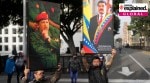
Maduro, who belongs to the United Socialist Party of Venezuela, took his position in 2013 after the death of former president Hugo Chávez (he ruled from 1999-2013), who was Maduro’s mentor. After completing his first term, Maduro began his second term in January 2019, which is seen by many Venezuelans and members of the international community as illegitimate.
Guaidó has been seeking to form a transition government since early 2019, until internationally recognised elections can be held. The US, along with at least 57 other countries, recognise Guaidó as the interim president. After recognising Guaidó’s presidency in 2019, Trump had said, “I will continue to use the full weight of United States economic and diplomatic power to press for the restoration of Venezuelan democracy.”
However, Guaidó has been unable to wrest power from Maduro and has faced increasing danger after returning home from a tour he took between January-February 2020.
Venezuela’s troubles started in the mid-2010s, after the global boom in commodities ended and the country slipped into an economic crisis.
While its oil-dependent economy had grown significantly during the boom, Venezuela remains one of Latin America’s poorest countries. Massive investments in social spending were made during that time by Chávez, which ensured the popularity of the “chavistas”, as the socialists are called.
After the economic collapse, the crime rate doubled, including drug trafficking and corruption, and inflation multiplied – a situation made worse by West-imposed sanctions. Previously, Maduro has blamed the US sanctions on the country’s state oil company and government for the economic problems the country faced.
The Congressional Research Service (CRS) notes that while the US and Venezuela had historically close relations, partly because the latter was a major US oil supplier, the frictions that started during Chávez’s rule were made worse under Maduro.
The US saw the Chávez government as playing a role in undermining human rights and freedom of expression. Under Maduro, this was made worse because of his crackdowns on the opposition, media and civil society.
Essentially, for over a decade now, the US has been concerned about the deterioration of human rights and democracy in Venezuela. To counter this, the US has repeatedly resorted to sanctions, which have included revocations of visas of Venezuelan officials and their families, financial sanctions and sanctions on the Maduro government.
Newsletter | Click to get the day’s best explainers in your inbox