The Yamuna Expressway, often hailed as one of the most ambitious infrastructural projects in India, connects Greater Noida in Uttar Pradesh to Agra, covering a stretch of about 165 kilometers. This expressway, which started for the public in 2012, has revolutionized travel in the region by providing a faster and more efficient route to key destinations in Uttar Pradesh and has flawlessly connected those to cities like Delhi and Noida. However, what began as a simple road link is now evolving into a multifaceted development zone with significant implications for infrastructure, real estate, and connectivity.
As of 2025, the Yamuna Expressway continues to be a critical infrastructure asset in northern India. The expressway, well known for its six lanes (Expandable to eight) and state-of-the-art facilities, has undergone several phases of expansion and upgrading since its inception. The Uttar Pradesh Expressways Industrial Development Authority (UPEIDA) has been working diligently to improve road quality and safety features, which include better lighting, emergency services, and advanced traffic management systems.

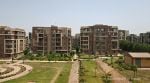
One of the most significant impacts of the Yamuna Expressway has been on real estate. The expressway has opened up vast tracts of land, particularly in areas around Greater Noida, Noida, and Agra, which were previously less accessible and less developed. The easy connectivity provided by the expressway has attracted numerous developers, creating a surge in residential, commercial, and industrial projects along its route.
Real estate giants and developers are capitalizing on the expressway’s strategic location, offering housing solutions for both mid-income and high-income groups. The planned township developments, such as the Yamuna Expressway Industrial Development Area (YEIDA), have been designed to provide integrated living spaces with commercial, recreational, and educational facilities. With affordable pricing and access to high-quality infrastructure, properties along the Yamuna Expressway have seen increasing demand from homebuyers and investors alike.
The expressway’s direct connectivity to the National Capital Region (NCR) and its proximity to the emerging industrial hubs of Greater Noida and Noida have made it an attractive option for businesses looking to set up operations. Not only does the expressway facilitate smoother logistics for industrial sectors, but it also serves as a magnet for retail and commercial establishments.
The rise of tech parks, data centers, and industrial corridors along the expressway has created a lucrative environment for business investment, making it a central point in Uttar Pradesh’s industrial growth. According to recent reports, the region’s real estate market is expected to continue its upward trajectory as more businesses and professionals flock to the area, seeking proximity to the expressway.
The future of the Yamuna Expressway looks even more promising, with several key projects already in the pipeline. Among the most anticipated is the upcoming extension of the expressway, which will link it to the Eastern Peripheral Expressway (EPE) and the new Noida International Airport at Jewar, expected to be operational this year. An Olympic City and a new Film City are also coming up in this region. The completion of these projects will further enhance the expressway’s connectivity, making it an even more vital route for passengers and cargo.
Story continues below this ad
The Noida Airport, being developed as an international aviation hub, is expected to be a major catalyst for growth in the area. Once operational, the airport will not only increase the number of tourists visiting the region but also provide a boost to the economy by enhancing trade and logistics operations. The Yamuna Expressway’ direct link to the airport will make travel even more convenient, offering a seamless connection between land, air, and rail transport.
Another significant future development is the proposed industrial zone along the expressway. The state government is planning to build a dedicated industrial corridor stretching from Greater Noida to Agra, which will focus on attracting investments in sectors like manufacturing, logistics, and information technology. The expressway will serve as a key artery for the movement of goods, reducing logistical costs and boosting industrial output.
From the sustainability point of view, efforts are being made through the implementation of green technologies in new real estate developments and the expansion of eco-friendly transportation infrastructure. Plans are in place to enhance the green cover along the expressway, with plantations and eco-restoration projects being carried out in parallel with infrastructure development. The future vision for the region incorporates clean energy, waste management, and water conservation systems to create a more sustainable and eco-friendly environment for residents and businesses.
The Yamuna Expressway has significantly transformed the landscape of the region. As connectivity improves, so do the opportunities for growth in real estate, business, and infrastructure. We believe that this is a good start, and the future developments along the expressway will redefine how we live and do business in this area. In last year, we have started 2 residential and 1 commercial projects in this corridor and in this year we will be coming up with more.
– Ajay Chaudhary, Founder, Chairman and Managing Director, ACE
In conclusion, the Yamuna Expressway is already a crucial piece of infrastructure, and its ongoing and future developments are set to amplify its role as a driving force for economic and industrial growth. With improved connectivity, industrial expansion, and real estate development, the expressway will continue to shape the region’s economic landscape in the years to come.


 6 min read


 Ajay Chaudhary, Founder, Chairman and Managing Director, ACE