Journalism of Courage



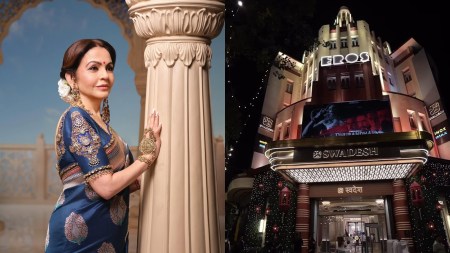
 An image of Rhea Kapoor wearing a lehenga teamed with a pair of white Nike sneakers at sister Sonam Kapoor’s mehendi has gone viral. (Designed by Nidhi Mishra)
An image of Rhea Kapoor wearing a lehenga teamed with a pair of white Nike sneakers at sister Sonam Kapoor’s mehendi has gone viral. It’s being hailed as an epic fashion moment, the casting aside of high heels for comfort, at arguably the most formal of settings — a wedding. The groom, Anand Ahuja, was pointedly casual at his own reception, wearing a black bandhgala with grey and white Nikes. Similarly, at Cannes last week, actor Kirsten Stewart kicked off her heels and chose to walk the red carpet barefoot, presumably, a reaction to the strict dress code that requires women to wear heels.
Over a century ago, Oscar Wilde declared, everything popular is wrong. If one thinks of fashion only as freedom to be able to choose what you feel comfortable wearing, then, by all means, there’s nothing better than running shoes. It’s true also that athleisure wear — a combination of gym and yoga clothing — is one of the fastest growing segments in fashion, tapping into modern thought that there is something inherently cool about not caring about the rules. Every international celebrity from Gigi Hadid to Sarah Jessica Parker has been photographed flashing sneakers with dresses and pencil skirts, happily foregoing height, simultaneously influencing how the rest of the world feels about pairing staunch fashion opposites.
But how life works is when a quasi-celebrity gives a thumbs down to convention in sartorial matters, she gets to be called a pathbreaking trendsetter. It doesn’t mean sneakers with saris, lehengas or ghararas will work for everybody. Mostly everyone I checked with feels they are perfectly ghastly, as opposed to a delicate pair of stilettos or the traditional jutti. The shoes Rhea Kapoor wore have become a talking point more for rejecting the standard rather than improving the outfit. In these clickbait times, it’s crucial to flaunt carefully structured contrarian ideas and feminist ideals as political statements.
Stilettos, unfortunately, are facing a backlash from the new wave of virulent feminism that suggests high heels are a conspiracy to keep women in their place (or alas, feminine). If Cinderella were to be rewritten today, chances are there would not be a dainty glass shoe, more likely, horror of horrors, a practical, flat wedge. The problem with going on about the hideousness of heels and condemning the women who wear them—by applauding keds as cool for example—is again judging personal preferences, which is antithetical to feminism in any case.
Stewart indeed has a point that if men don’t have to wear high heels, she shouldn’t have to. But the argument can be made that women needn’t wear those stiff, uncomfortable gowns at Cannes either. Or go on starvation diets for weeks before in preparation. But they don’t want to wear tuxedos like the men because red carpet coverage is focussed entirely on women’s couture. It’s a terrific opportunity to showcase yourself and grab the limelight. The fact is, who are we kidding, there are some clothes that just look better with heels. The pain of walking on tiptoes for a few hours, I imagine, is highly preferable to seeing footage of yourself years later, looking short and dumpy.
A Delhi-based makeup artist I know was flown down to Riyadh six-eight times for the fittings of a Saudi princess’ wedding trousseau. The couturier Valentino’s requirement was that he had to see his gowns complete with hair and make-up on the bride, and photograph and analyse them carefully, for the final day. It was a painstaking process but when fashion is held to serious standards, outfits and accessories have the power to control what the world sees. To be sure, not heels nor flats are central to a woman’s identity. Occasionally though, it is fair to acknowledge heels carry some symbolic benefits whereas, flats can feel alarmingly like submission.
(hutkayfilms@gmail.com)

 4 min read