5 min read

Journalism of Courage



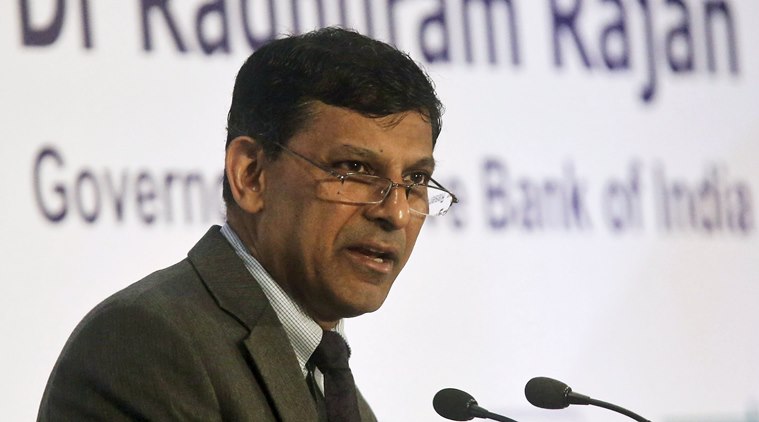 Reserve Bank of India (RBI) Governor Raghuram Rajan speaks during a gathering of industrialists and bankers in Mumbai, on September 18, 2015. The head of India’s central bank, under pressure from the government and corporates to cut rates, said on Friday that his greatest task would be to keep inflation low not just now, but also in the future. (Source: Reuters)
Saying there are “no easy paths” to the top, Reserve Bank of India Governor Raghuram Rajan today urged corporate India to avoid what he called was the “jugaad” mindset, or “working around difficulties by hook or crook” and putting pressure for “quick impossible fixes.”
Instead, what was needed, he said, was a “discipline to stick to our strategy of building the necessary institutions and creating a new path of sustainable growth where jugaad is no longer needed.”
For this, Rajan said, “we need the understanding and cooperation of business, not impatience and pressure.” Delivering the C K Prahlad Memorial Lecture here today, Rajan said that jugaad ends up encouraging an “attitude of shortcuts and evasions, none of which help final product quality or sustainable economic growth.”
READ | Key task: Keeping inflation low, well into the future, says Rajan
Rajan was speaking after the markets rose on the US Fed Reserve’s decision not to raise interest rates and the rupee hit a one-month high at 65.17 to the dollar. His remarks come 10 days after the Prime Minister met India Inc.
Do countries have core competencies? Raising this provocative question at the end of his lecture, Rajan used it to underline the long haul rather than the short cut.
“If we say we want to focus on national core competencies, every industry will be out to show why it thoroughly fits the bill — in the same way as every industry today wants to tell us why they especially deserve special tax benefits or interest subventions. Remember, the License Permit Raj persisted precisely because some industries were favoured over others in the so-called national interest,” Rajan said. “So even if nations have core competencies, it will be very hard to determine what they are, and very easy to succumb to vested interests in supporting the wrong ones. Better to focus on creating an enabling environment, and let the core competencies emerge from the fillip given by the environment — much as the IT sector emerged as a result of the investment the country made in technical education, but without specific encouragement by the government.”
Saying that he believed, like Prahlad, that Indian business was capable of scaling world heights, he said: “Jugaad…is a thoroughly Indian way of coping but it is predicated on a difficult or impossible business environment…While we should respect the entrepreneurial abilities of our business people in difficult environments, it is better for us to change the environment for the better. That is indeed what we are trying to do.”
Asking industry to be patient, Rajan said that one reason behind the current difficulties of emerging markets is “impatience to regain growth” by overemphasizing old and ineffective methods of stimulus. “Brazil may have overspent, China may have overinvested,” he said. “The world is a difficult place. Let us recognize we are doing quite well in comparison — indeed, many industries in difficulty have a problem because exports are low or imports are very competitive, and not because domestic demand is inordinately weak. We cannot compensate entirely for what is happening across our borders, else we will risk acquiring the problems our fellow emerging markets have,” Rajan said.
On September 8, many industry captains who met the Prime Minister ended up pitching demands for their own industry rather than bringing fresh ideas on opportunities for India at a time of global turmoil.
“While we understand the difficulties industry has and will work as hard as we can on improving the environment, India must resist special interest pleas for targeted stimulus, additional tax breaks and protections, directed credit, subventions and subsidies, all of which have historically rendered industry uncompetitive, government over-extended, and the country incapable of regaining its rightful position amongst nations,” he said.
Citing Brazil’s experience, Rajan said, “Brazil tried to grow too fast. The 7.6 percent growth came on the back of substantial stimulus after the global financial crisis. In an attempt to keep growth high, the central bank was pressed to reduce interest rates, fuelling a credit spree that overburdened customers are now struggling to repay.”
Further, Brazil’s government-funded development bank hugely increased subsidized loans to corporations. Certain industries were favoured with tax breaks while price controls were imposed on gasoline and electricity, causing huge losses to public sector firms. Yet, the country is expected to shrink by 3 per cent this year, and its debt just got downgraded to junk.