Journalism of Courage

Here are the top 5 climate-related stories of this week.
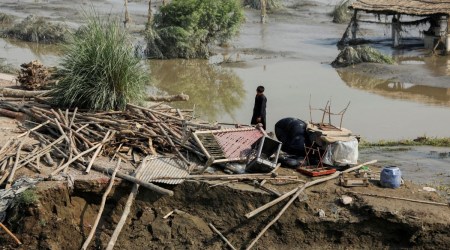
A G7-led plan dubbed "Global Shield" to provide pre-arranged insurance and disaster protection funding to countries suffering climate disasters was also launched at the climate conference.
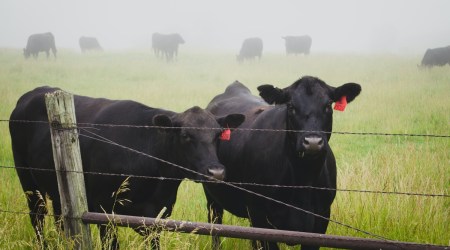
The world's three billion or more ruminants – cattle, sheep and goats – produce methane, one of the most potent greenhouse gases, as a by-product of digestion.
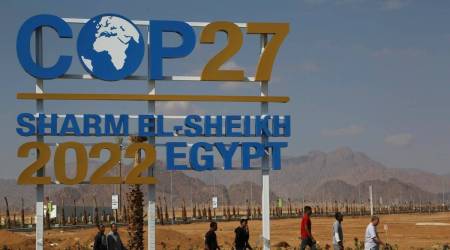
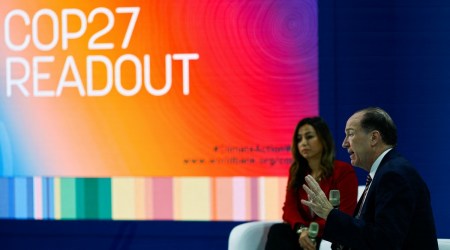
UN Secretary General António Guterres said COP27 has taken an important step towards justice.
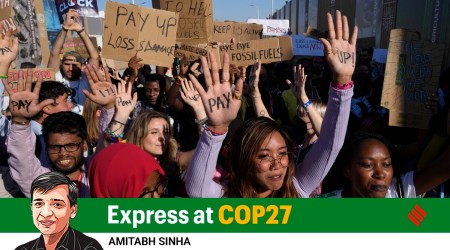
There was nothing in the COP27 agreement that could lead to greater action on emissions reductions or mobilise greater financial or technological resources to fight climate change.
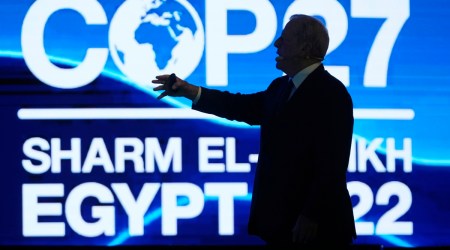
In a setback, top US climate envoy John Kerry tested positive for Covid-19 though he only has mild symptoms.
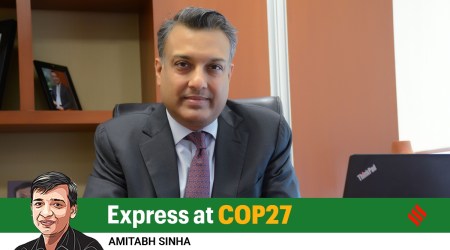
Sumant Sinha, CEO of ReNew Power, India’s largest renewable energy company, said a lot of corporations were making unrealistic claims on climate actions and still “getting by easily”.
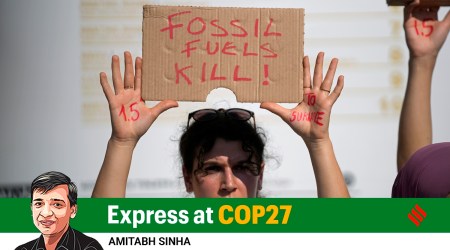
India’s call for inserting a provision calling for a phase-down for all fossil fuels has received good support from other countries, civil society organisations and observers

The G20 declaration says it would like to see the countries “make progress on loss and damage at COP27”. It does not mention the possibility of setting up a separate fund to address loss and damage, an active matter of disagreement at the COP27 meeting.
This time, New Delhi was much better prepared, and turned the tables on the developed countries by calling for a phase-down of all fossil fuels, not just coal.

While India sympathised with the concerns of the small island states, and was ready to support them in whatever manner it could, neither its current emissions or the size of economy made it responsible for climate change, the source said.
The proposal has received a lot of traction amongst NGOs and observer groups as well, creating a steady momentum for it in the last few days.
A ’mitigation work programme’ set up at the Glasgow climate conference last year for this purpose has been at work since the start of the Sharm el-Shaikh meeting, without much progress.
Developed countries are still not showing leadership or responding with a matching progression of effort on mitigation or finance, the BASIC group, comprising India, China, Brazil and South Africa, said.
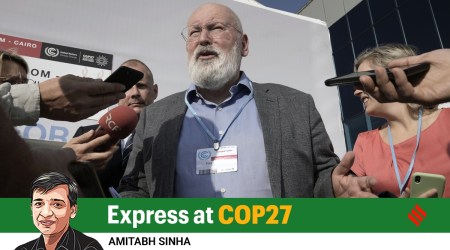
However, in a bid to neutralise some of the negative attention it attracts on its use of coal, this year India decided to push for the phase-down of all fossil fuels, something that no country can in principle disagree with.
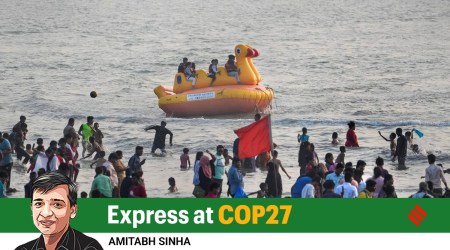
The State of Climate in Asia report also says that the economic losses from the consequent extreme weather events like floods and droughts amounted to more than US$ 35 billion in 2021, including at least US$ 7.5 billion in India.
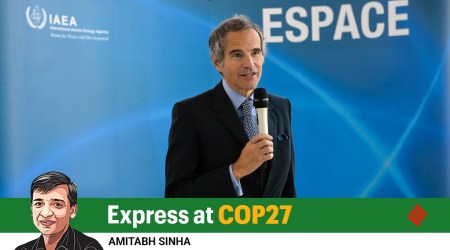
In an interview with The Indian Express at COP27, Grossi spoke about the current situation in Ukraine where a large nuclear power plant has been turned into one of the riskiest battlefields, why many countries were still opting for nuclear energy, and how nuclear energy was integral to any clean energy transition.
Under the Paris Agreement, countries are mandated to submit long-term action plans with estimated low-emission pathways till 2050 that are consistent with the global goal of keeping temperature rise within 1.5 degree or 2 degree Celsius from pre-industrial times.
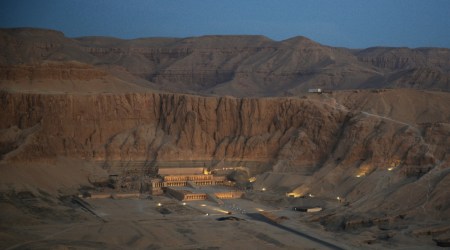
Carter House reopened this month, protected from its own water-hungry garden by a new circle of desert, after a two-year restoration that stabilized the foundations and supplied the interior with Carter-era furniture and artwork.
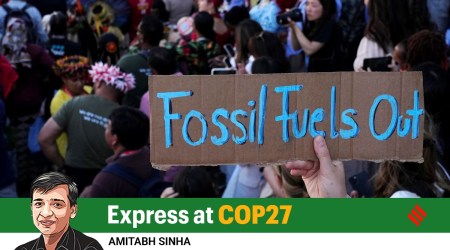
India also called out the duplicity of the developed countries, arguing that selective labelling of some energy sources as ‘green’ had no basis in science.
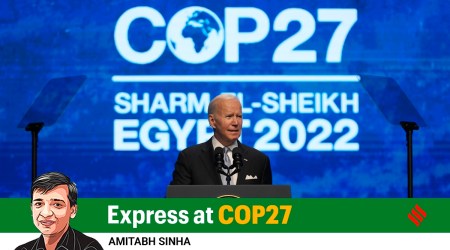
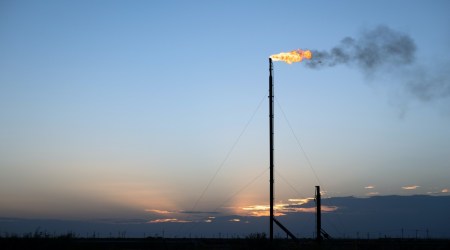
The Methane Alert and Response System, or MARS, will integrate data from a large number of existing and future satellites that have the ability to detect methane emission events anywhere in the world, and send out notifications to the relevant stakeholders to act on it.
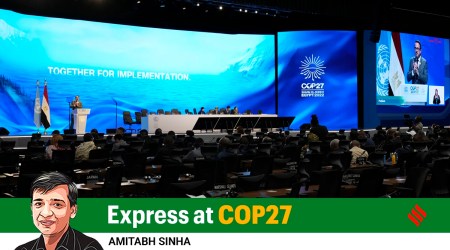
India, speaking on behalf of the Like Minded Developing Countries, said that the $100 billion per year amount, promised way back in 2009, was not just “miniscule” but had not even been delivered yet
McCormick said Climate TRACE had “zero plans” to commercialize.
The institutions that were created have operated largely unchanged since, with wealthy nations essentially financing loans to developing nations and holding much of their debt — and thus exercising a large degree of control over their growth and progress.
COP27 climate talks come as the odds of fulfilling the Paris Agreement dwindle. But that doesn’t mean 1.5 degrees Celsius is an impossible future.