Journalism of Courage
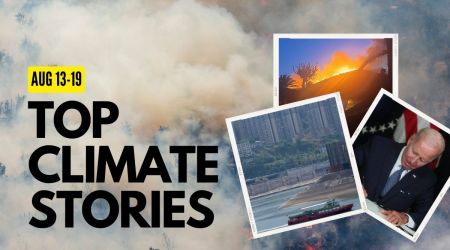
From the United States passing one of its most significant climate bills to Europe's continuing battle with wildfires and droughts, here are the top climate stories from this week.
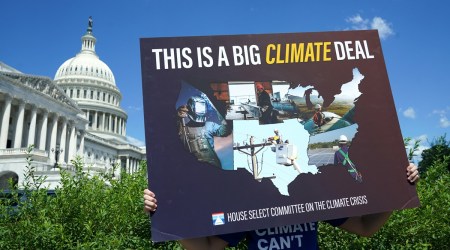
Cleaner air, greener cities, shifted politics: Experts speculate on likely outcomes by the decade’s end from $374 billion in US climate spending.

After struggling for years to finance his training, commercial pilot Todd Smith swapped his wings for climate activism.
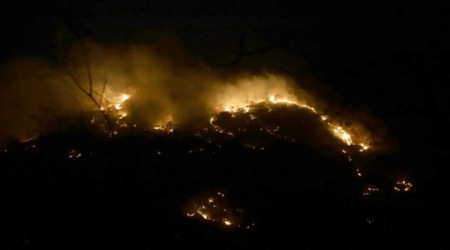
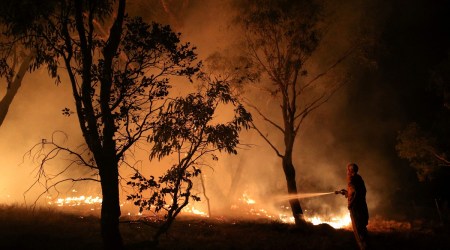
As wildfires again burn out of control, strategies to limit climate-fueled infernos include fighting fire with fire.
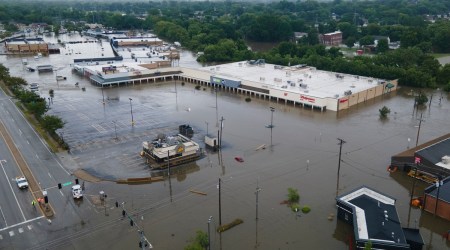
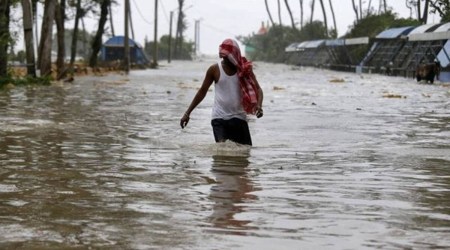
Scientists are confident some types of flooding will increase in the “business as usual” scenario in which humans continue warming the planet with greenhouse gas emissions at the current rate.

Well-designed public awareness campaigns can motivate people to take measures to reduce their own energy use, but poorly designed campaigns that don’t find the right tone and message can fall flat.
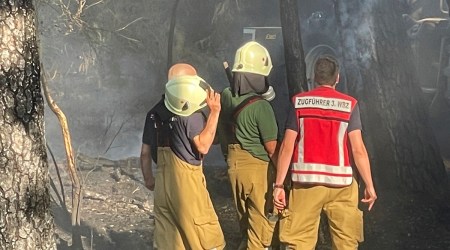
While heat waves are shaped by complex local factors such as urbanization and land use, scientists no longer have much doubt about whether climate change is making them worse.

With a special focus on the Western Ghats, the book looks at the media’s coverage of climate change and investigates its role in representing the complex realities of climate uncertainties
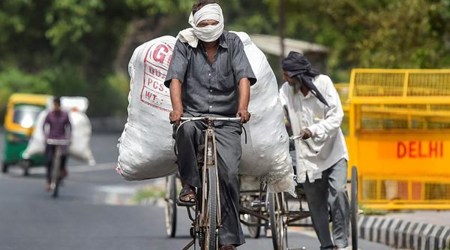
In India, while we do not name heatwaves, we have names for cyclones.
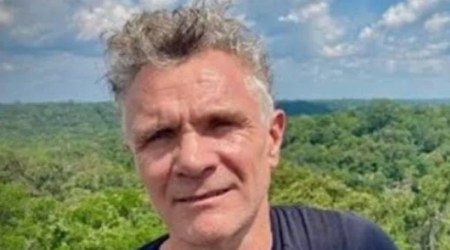
The place where they disappeared is the primary access route to and from the Vale do Javari, where several thousand Indigenous people live in dozens of villages.

Mike Cannon-Brookes most famously demonstrated his interest in accelerating clean energy in 2017 when he challenged Tesla Inc.’s Musk to install 100 megawatts of battery power within 100 days to help solve an energy crisis in South Australia.
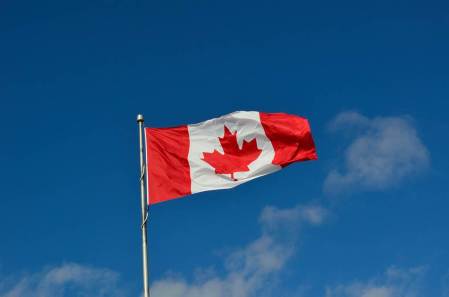
Canada, the world's fourth-largest oil producer, has committed to achieving net-zero emissions by 2050.
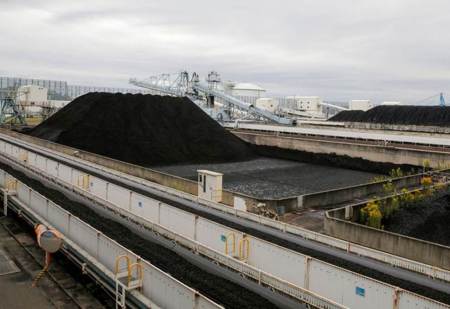
A draft communique, seen by Reuters ahead of May 25 to 27 talks between the ministers, showed the G7 group would consider committing to a phase-out of coal by 2030
The country, dubbed a "wrecker" at climate change negotiations, is a major exporter of fossil fuels, largely to East Asia and India.
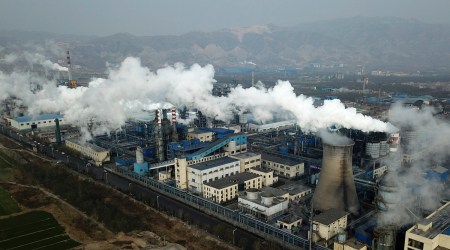
UN Secretary-General Antonio Guterres said the report by the Intergovernmental Panel on Climate Change revealed "a litany of broken climate promises” by governments and corporations, accusing them of stoking global warming by clinging to harmful fossil fuels.
The IPCC, a global body of scientists that makes periodic reviews of climate science, on Monday released the second part of its sixth assessment report.
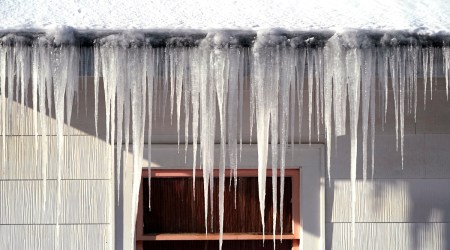
Normally, December is a dry month in interior Alaska because the usually frigid air cannot hold much moisture.

🔴 The severe drought, now in its second year, has dramatically worsened the already desperate situation in the country.
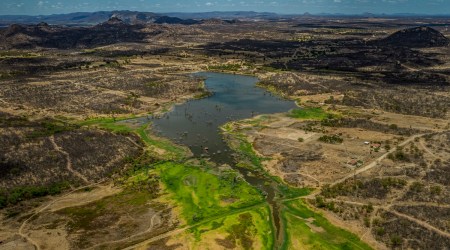
🔴Desertification is a natural disaster playing out in slow motion in areas that are home to a half-billion people, from northern China and North Africa to remote Russia and the American Southwest.
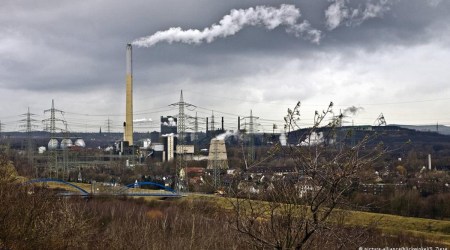
New air quality guidelines from the WHO could have saved the lives of almost 180,000 people in 2019, the EU has said.
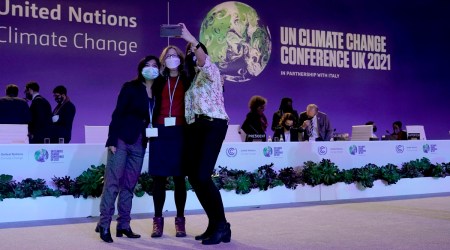
The focus of the Glasgow talks was not to forge a new treaty but to finalize the one agreed to in Paris six years ago and to build on it by further curbing greenhouse gas emissions, bending the temperature curve closer to levels that don't threaten human civilization.
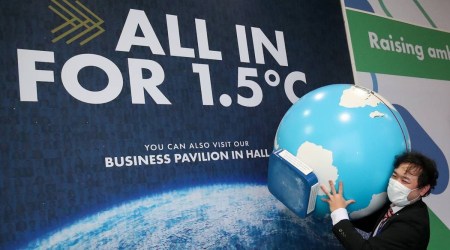
“This is just a very small step forward. The pace is extremely slow. We are moving in inches when we need to gallop in miles,” said Harjeet Singh, senior advisor with Climate Action Network International, a large group of NGOs working in climate space.
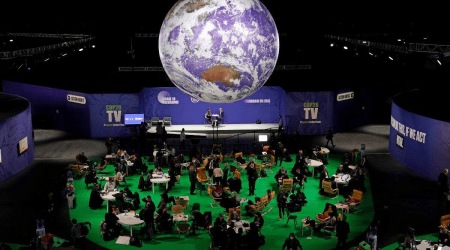
Several issues that were supposed to be wrapped up here, including those related to finance and rules for the establishment of a new carbon market, remain unresolved.
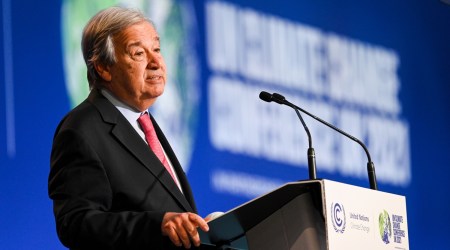
Here are some of the highlights from the 26th edition of United Nations Climate Change conference in Scotland.
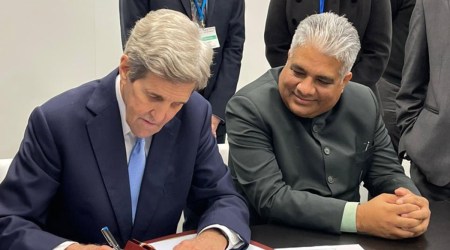
India recently announced it would stop adding greenhouse gases to the atmosphere by 2070, two decades after the "net zero" target set by the U.S. and 10 years after that of China.