Journalism of Courage
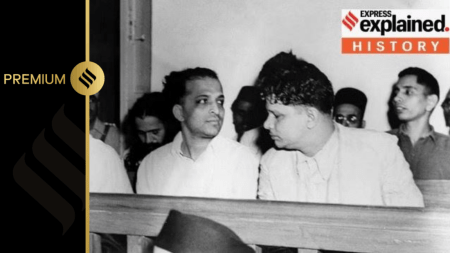
Godse was sentenced to death in 1948 by a special court set up in Delhi’s Red Fort. In his appeal filed in the Punjab High Court, Godse objected to the court’s finding that there was a conspiracy to kill Gandhi. He remained unrepentant, wrote Justice Khosla, who heard his appeal.
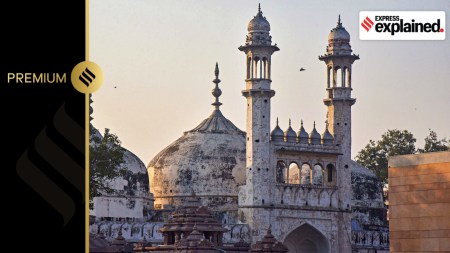
The ASI has said it has relied on “scientific studies and observations”; there is also ample textual evidence that supports its conclusion.
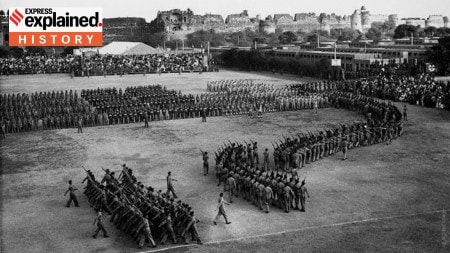
On the eve of the 75th Republic Day, we look back at the chilly January morning in 1950, when India became a republic.
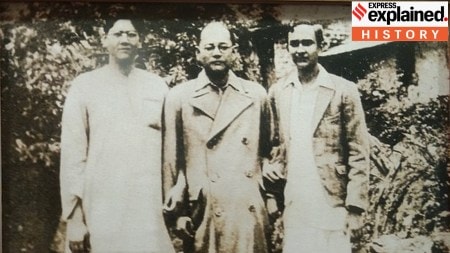
Subhas Chandra Bose Jayanti 2025: Here's the story of how Bose reached Berlin in 1941, from Calcutta to Gomoh to Peshawar to Kabul to Russia, changing identity thrice along the way.
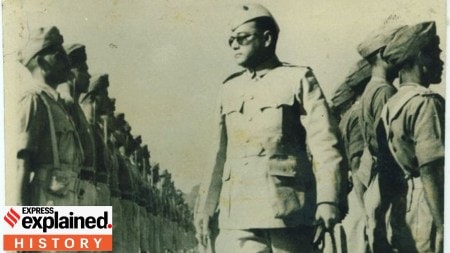
Militarily speaking, Subhas Chandra Bose’s Indian National Army was, by and large, ineffective. However, its impact in India’s national struggle transcended the battlefield.
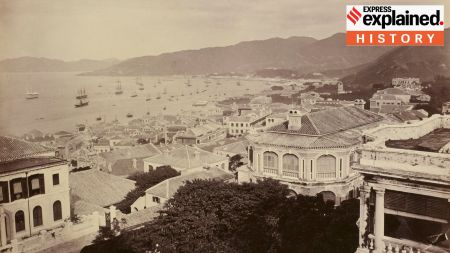
The Qing ruler ceded Hong Kong, at the time home to a dozen or so fishing villages, to the British during the First Opium War on January 20, 1841. That fateful day continues to shape Hong Kong’s present. Here’s a look at the history.
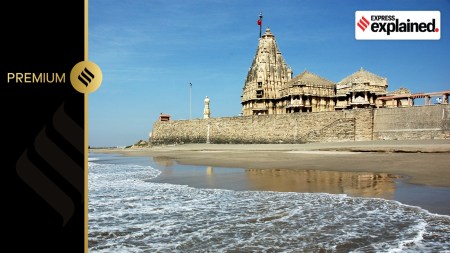
It is well known that Nehru was against a secular government associating closely with a temple function. However, often missed out are the reasons Nehru gave for this. Also ignored is the role the British played in painting Somnath as a symbol of Hindus' victimisation by Muslims.
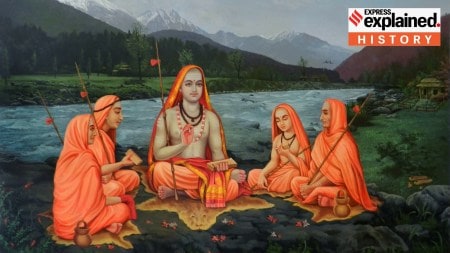
Ram Mandir Inauguration: All four shankaracharyas will not attend January 22’s Ram temple inauguration. Who are these venerable Hindu teachers? What is their philosophy? Who was Adi Shankara, whom they trace their legacy to?
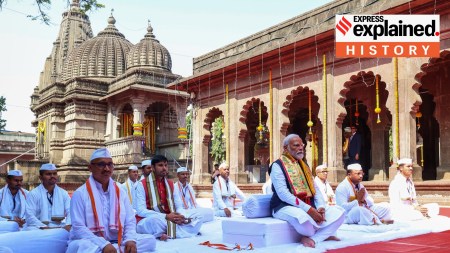
The revered mandir has black-colour idols of Ram, Sita, and Lakshman. Why is it important? And why did Babasaheb lead a satyagraha at the temple?
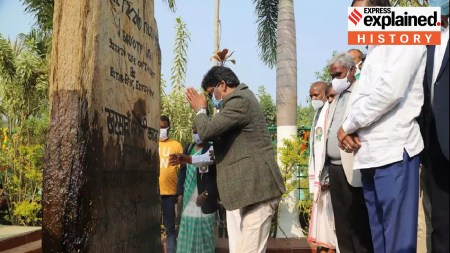
As the world makes merry on New Year’s Day, Adivasis from Jharkhand’s Kolhan region observe January 1 as a day of mourning and remembrance. Here is why.
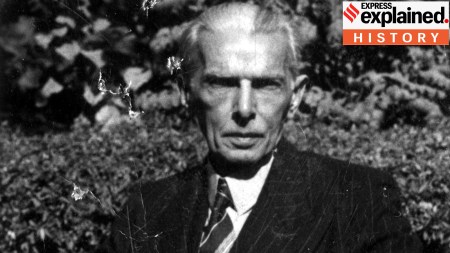
Because Jinnah died soon after the creation of Pakistan, speculations about him continue to cast a long shadow. Here are four things about the man who divided the subcontinent, from four aspects of his life.
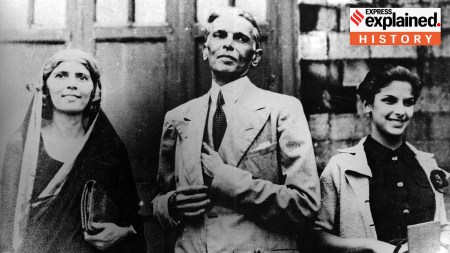
Not much has been written about Jinnah's personal life, especially the women in his life. Here's what you should know about his second wife, Rattanbai alias Ruttie, and his daughter, Dina.
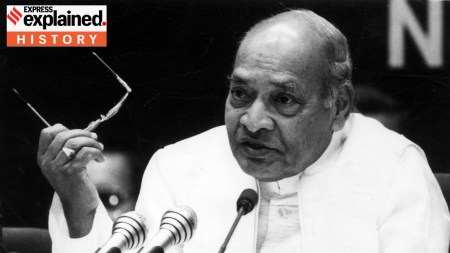
Just a year before he became the prime minister, Rao had thought his political career was almost over. He had packed his bags, books, and beloved computer and sent them to his second son’s home in Hyderabad. So how did he first become Congress chief and then the PM? We take a look.
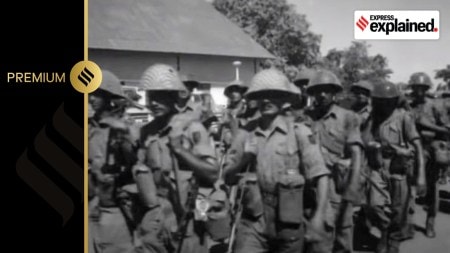
Goa's liberation: How was Operation Vijay conducted, and what was Operation Chutney? Why has PM Modi blamed former Prime Minister Jawaharlal Nehru for not supporting Goa's satyagrahis? We explain.
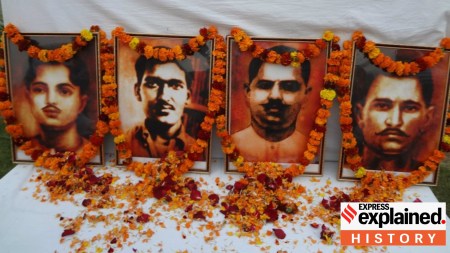
The train robbery at Kakori was the Hindustan Republican Association’s (HRA) first major action in 1925. Two years later, prominent revolutionary leaders, including Rajendranath Lahiri, Ashfaqullah Khan, Ram Prasad Bismil, and Thakur Roshan Singh were hanged pertaining to the incident.
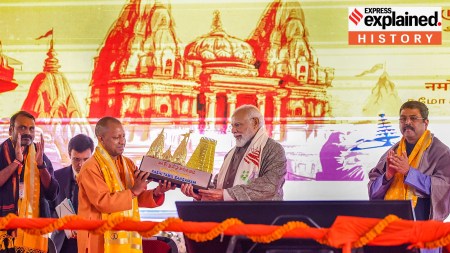
Besides the Kasi Viswanathar temple in Tenkasi, there are hundreds of Shiva temples in Tamil Nadu that bear the name of Kashi. A look at the link, which goes back to ancient times.
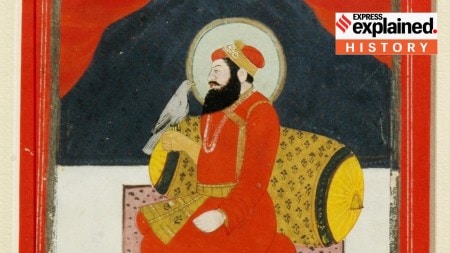
Here's a short account of Guru Teg Bahadur's life, his execution by Aurangzeb, and how it was linked to Kashmiri Pandits.
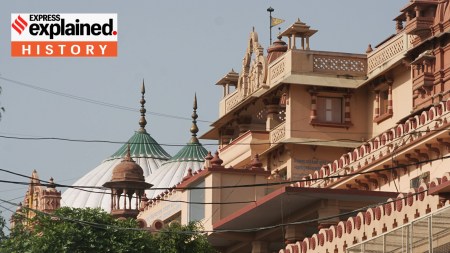
The first major Vaishnava temple at the site was probably built 2000 years ago. In 1670, Aurangzeb destroyed the Keshavdev temple at the Janmasthan. The Allahabad High Court has ordered a survey of the Shai Idgah mosque, which was allegedly built on top of the temple.
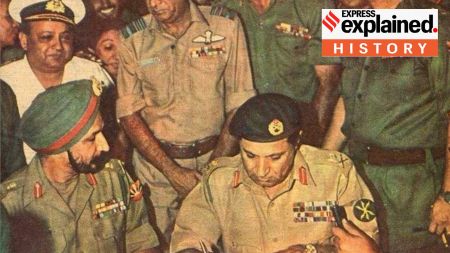
From officially commencing on December 3, the war lasted only 13 days, ending on December 16, celebrated as Vijay Diwas in India ever since.
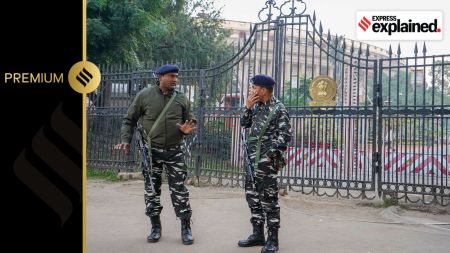
P V Narasimha Rao was Prime Minister then, and Lok Sabha adopted motions on the incidents. What punishments were those men given?
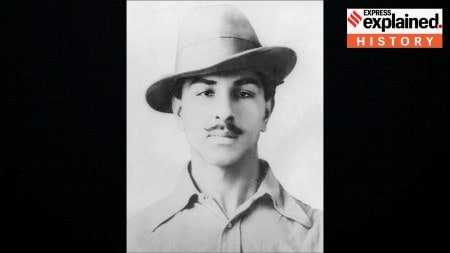
The men who jumped into Lok Sabha were apparently inspired by one of the most heroic acts of India's freedom struggle: on April 8, 1929, Bhagat Singh and Batukeshwar Dutt threw feeble bombs and pamphlets in Delhi’s Central Assembly from the visitor’s gallery.
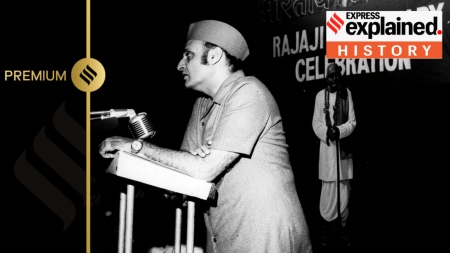
In his judgment, Chief Justice of India D Y Chandrachud recalled that in November 1949, Yuvraj Karan Singh, heir to the throne of Jammu and Kashmir, had issued a proclamation that reflected the “full and final surrender of [J&K's] sovereignty... to India.”
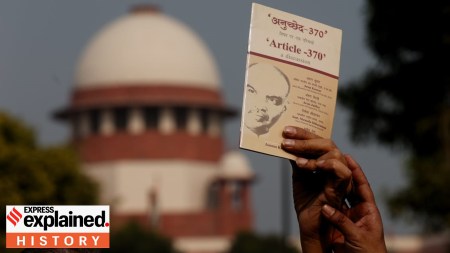
“Nahin chalenge ek desh mein do vidhan, do pradhan aur do nishan (You cannot have two constitutions, do prime ministers, and two flags in one country),” Dr Mookerjee, founder of the Bharatiya Jana Sangh, famously said. He died in prison in Kashmir.
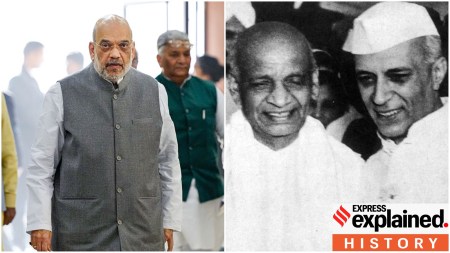
Parliament recently saw Amit Shah and Adhir Ranjan exchange remarks on Kashmir, Hyderabad, Nehru, and Sardar Patel. Was Patel prepared to let Kashmir go? Why did India go to the UN and agree to a ceasefire with Pakistan? Here's what history says.
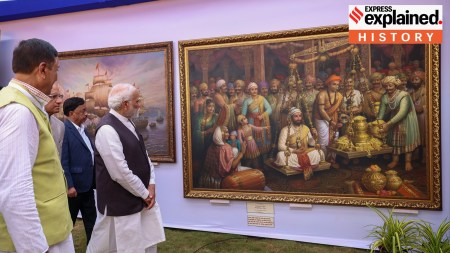
Navy Day 2023: Chhatrapati Shivaji Maharaj very much understood the importance of building a naval force. Here is what you need to know about the Maratha Navy he built from scratch.