Journalism of Courage

Under the special window, the Centre has been borrowing in government stock with tenor of 3 years and 5 years.

The government, the finance minister said, has already initiated steps, including a sharp cut in the corporate tax rate, and companies can take advantage of these.

As per the tradition, the finance minister holds customary meeting with the board members of the RBI and the Securities and Exchange Board of India (Sebi) after Budget presentation every year.
The finance minister addressed the 587th RBI central board meeting and informed the members about the key initiatives in the Budget and the priorities of the government, RBI said in a statement.

The WPI inflation was 1.22 per cent in December, 2020 and 3.52 per cent in January last year.

With the system flush with liquidity, the Sensex has risen 11.36 per cent, or 5,258 points, to 51,544.30 since the presentation of the Budget earlier this month.

The Budget, Finance Minister Nirmala Sitharaman said, had a blend of stimulus measures and reforms aimed at putting the economy on a steady growth path in the years to come.
The Ministry of Labour and Employment is likely to complete the process to finalise the rules for four labour codes soon.
Retail inflation data released separately showed the headline number eased to a 16-month low of 4.06 per cent in January, mainly due to a sharp fall in food inflation.

Speaking at The Indian Express Idea Exchange programme, the finance secretary said the revised estimates of revenue and expenditure for the current fiscal were realistic.

CPI Inflation Rate January 2021, IIP Growth Rate December 2020: The retail inflation, measured Consumer Price Index (CPI) eased to 4.06 per cent in January 2021. Separately, the factory output, measured in terms of Index of Industrial Production (IIP), grew 1.0 per cent in November.

Modi’s statements pitching the importance of the private sector come in the backdrop of a push towards government spending, which the government expects will help crowd in private investment.

From a trend growth perspective, India will still be at a lower level at the end of the next fiscal and meaningful recovery may take place only in FY23, it said.

The agency had earlier forecast a 7.4 per cent contraction in 2020-21 GDP numbers. In April-September, the economy contracted 15.7 per cent but the second half may see a surprise 2.8 per cent growth, if the SBI analysis turns out to be correct.
The Finance Ministry expects inflation to stay benign. CPI Inflation moderated to 4.59% in December from 6.93% in November.
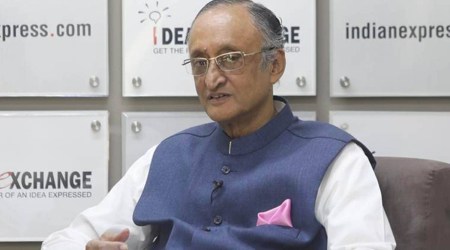
The Minister further said the state’s development expenditure had risen six times, capital expenditure 14 times and social expenditure 9.15 times.

The meeting was co-chaired by Minister of Commerce and Industry Piyush Goyal and the European Union Executive Vice-President and Trade Commissioner Valdis Dombrovskis. It was held on Friday.

The Budget also seeks private sector participation in a big way and provides space to set up of private DFIs, she said at a post-Budget interaction with top CEOs held by the Confederation of Indian Industry (CII).

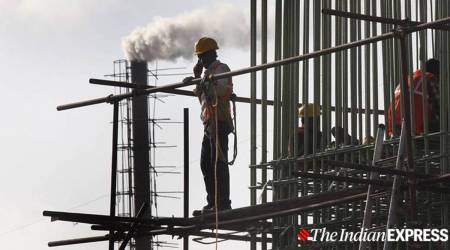
Somanathan said the government is trying to reach the target group of unskilled and semi-skilled workers through increased government expenditure in the construction sector.
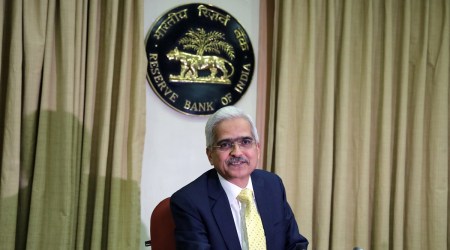
RBI Monetary Policy 2021 announcements: The six-member Monetary Policy Committee (MPC) headed by Reserve Bank of India (RBI) Governor Shaktikanta Das kept the repo rate unchanged at 4 per cent, while the reverse repo rate also was kept unchanged at 3.35 per cent. Here's what the Indian central bank announced.

The seasonally-adjusted India Services Business Activity Index rose from 52.3 in December to 52.8 in January, pointing to a quicker expansion in output.

Imports during the month rose 2 per cent to USD 42 billion, leaving a trade deficit of USD 14.75 billion, the data showed.

Sitharaman also proposed a development financial institution (DFI) to enable long term funding worth Rs 5 lakh crore in 3 years for infrastructure projects.

Foreign inflows in insurance companies will also enable them to become more effective vehicles for household savings, creating long-term assets in the economy.

“Across the industry as a whole, the cost structure has gone up and freight rates across several sectors have moved up because of the increase in fuel prices,” said Assocham president Vineet Agarwal.