Journalism of Courage
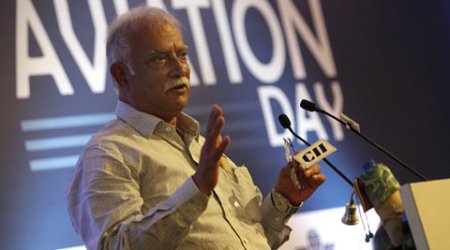
Making it clear that there will not be a "simplistic solution" to deal with exorbitant rise in air fares, he reiterated that capping would not be the answer as that would also push up the floor prices.
The minister spoke on varied issues from the regional connectivity scheme to the rationale behind Rs 2,500 cap on per hour flights on unconnected routes.

The changes to investment policy in aviation sector come less than a week after the Union Cabinet approved the National Civil Aviation Policy 2016, which had maintained a status quo on the FDI regime in the sector.
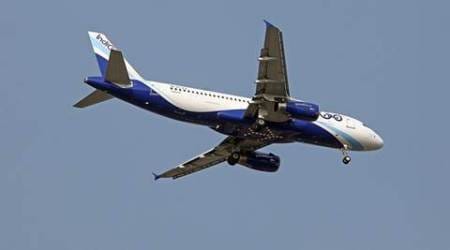
Budget carrier IndiGo ferried the highest number of 33.37 lakh passengers in May, followed by private full service carrier Jet Airways and Air India.

As per the present FDI policy, foreign investment up to 49% is allowed under automatic route in Scheduled Air Transport Service/ Domestic Scheduled Passenger Airline and regional Air Transport Service.
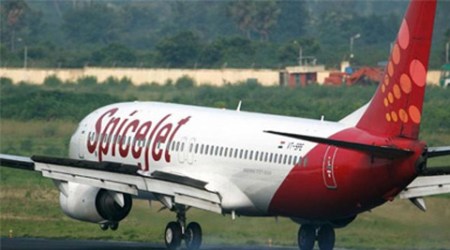
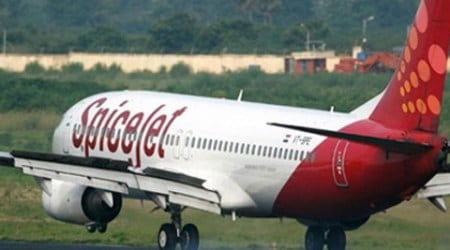
SpiceJet connects 41 destinations in different parts of the world with 300 running flights everyday

As per the 5/20 rule, only domestic airlines with at least five years of operational experience and a minimum of 20 planes were allowed to fly overseas.
"India's aviation sector is set to undergo a strong growth period, which should benefit all incumbent players," said the report.
The Cabinet approved the National Civil Aviation Policy (NCAP 2016) which replaces the controversial “5/20” overseas flying rule for domestic carriers with a “0/20” formulation.
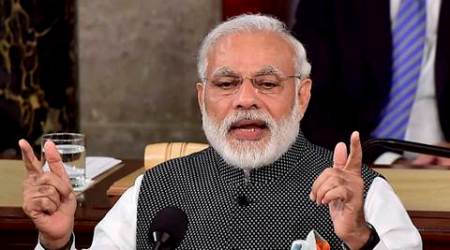
"The #CivilAviationPolicy approved today by the Cabinet will transform the sector & greatly benefit passengers," Modi tweeted.
The new policy seeks to strengthen regional connectivity
This new policy aims at providing various benefits to domestic airline passengers.
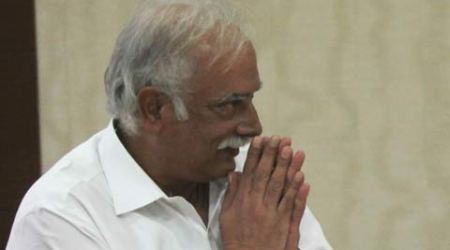
"India will be the 3rd largest civil aviation market by 2022. To achieve this, we need right intentions, vision, planning and execution," Raju said.
The Civil Aviation Ministry had sent the civil aviation policy to Cabinet for approval on June 3.
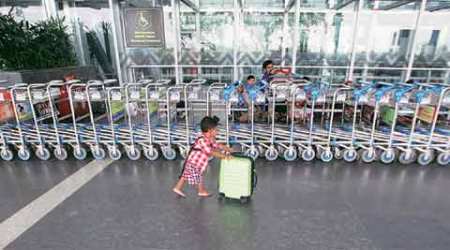
Improved utilisation of built-up area at airport complexes could lead to increase in non-aeronautical revenues for the operators.
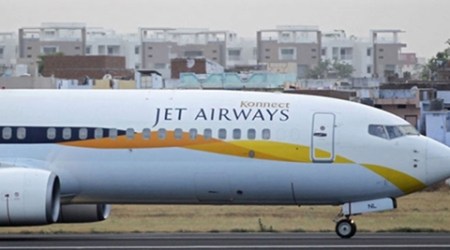
The new proposals by the government are: A cap on exorbitant air ticket cancellation fee, a hike in compensation five-fold to Rs 20,000 for denied boarding and steep reduction in excess baggage fee.
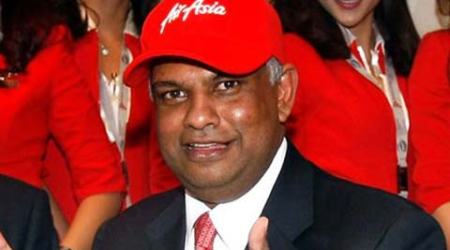
Fernandes, group CEO of AirAsia Berhard, getting OIC status assumes significance as there have been concerns about control and ownership of AirAsia India.
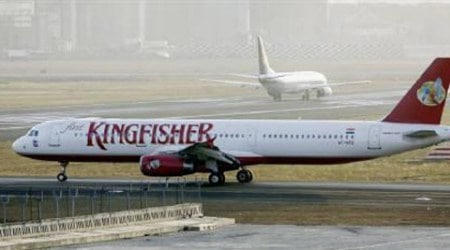
The civil aviation minister alluded to Vijay Mallya's Kingfisher airlines which collapsed and Mallya fled leaving crores of upaid debts to banks
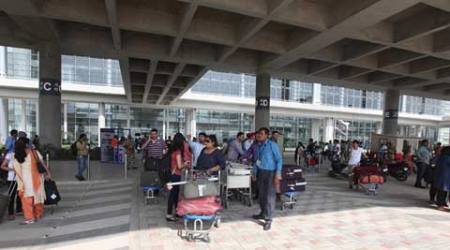
Measures are being proposed as there have been complaints from passengers, says aviation minister
Citing an analysis about fare movements done last year, the Minister said then it was found that only around 1.7 per cent of the tickets were priced higher.

Suggesting a slew of passenger-centric measures, the Civil Aviation Ministry said airlines will have to refund all statutory taxes in case of flight cancellations.
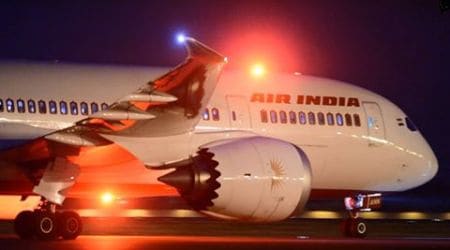
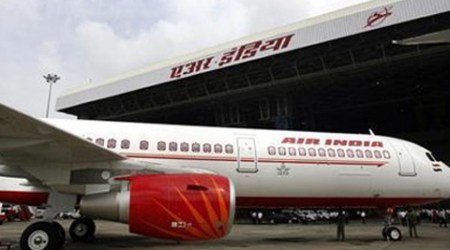
The state-run airliner currently is in debt of around Rs 50,000 crore.
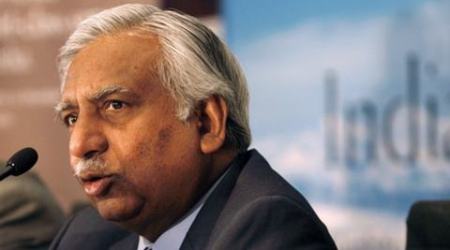
This would be the fifth successive tenure for Goyal at the International Air Transport Association's (IATA) Board of Governors, the airline said in a release.

"We have been trying to compare ticket cancellation charges with international trend," DGCA chief M Sathiyavathy had said last month.

In a first of its kind move the Civil Aviation Ministry has allowed an airline to operate more flights during a particular period to the northeast.