4 min read
Stay updated with the latest - Click here to follow us on Instagram
© IE Online Media Services Pvt Ltd



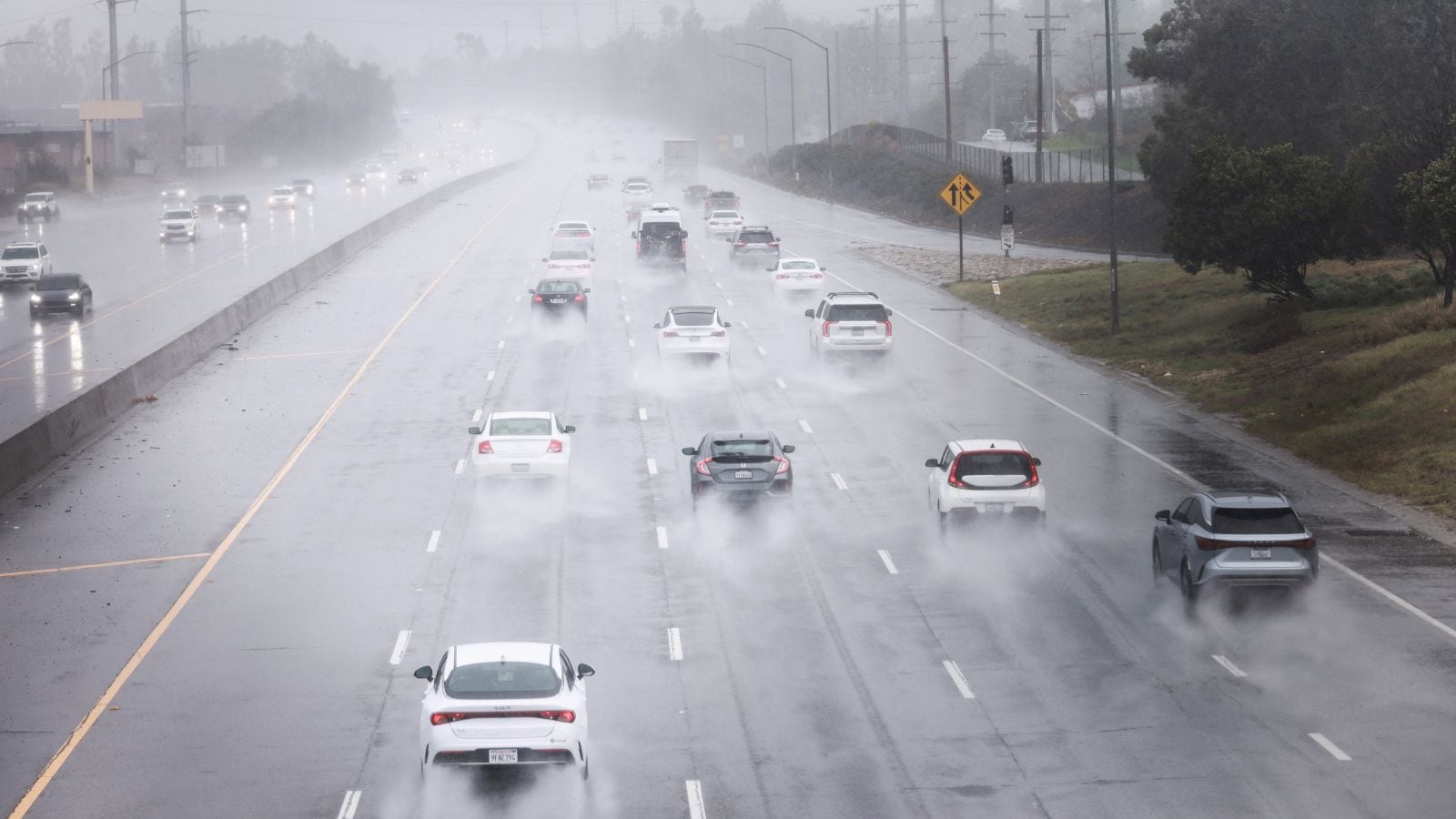 Atmospheric rivers vary in size and intensity, but those with the highest water vapour content and strongest winds can bring extreme rainfall and flooding, according to the National Oceanic and Atmospheric Administration (NOAA). (Reuters/File Photo)
After an unusually dry January, a powerful atmospheric river known as the ‘Pineapple Express’ is set to bring heavy rain, snow, and strong winds to central and northern California over the coming days.
This weather system, which originates near Hawaii and carries warm, moisture-laden air, will unleash several waves of precipitation, dumping 10-20 inches (250-500mm) of rain in some inland areas and up to 6 feet (around 2 meters) of snow in the Sierra Nevada mountains.
However, while Northern California will have heavy rainfall, residents in the south will be hoping for some much-needed moisture.
Since early January, parts of Los Angeles and San Diego counties have faced large wildfires that have destroyed more than 16,000 structures and forced hundreds of thousands to temporarily evacuate.
Nearly 54% of the state remains in official drought conditions, with extreme levels reported in some of the same fire-affected areas.
As per a report by BBC, the Pineapple Express is a type of atmospheric river— a narrow, fast-moving “river in the sky” that transports significant moisture over long distances. The warm air and high humidity it carries from the Pacific lead to heavy rainfall when the system reaches land.
Atmospheric rivers vary in size and intensity, but those with the highest water vapour content and strongest winds can bring extreme rainfall and flooding, according to the National Oceanic and Atmospheric Administration (NOAA).
The NOAA explains that atmospheric rivers are long, narrow bands in the atmosphere that transport vast amounts of water vapour from the tropics. Their size and strength can differ significantly, but on average, they carry a volume comparable to the flow of the Mississippi River at its mouth. Exceptionally strong atmospheric rivers can transport up to 15 times that amount. When they make landfall, they typically release this moisture as rain or snow, often covering a vast region as they move inland.

AccuWeather meteorologist Matt Rinde told Newsweek that the “Pineapple Express” refers to an atmospheric river that originates in the tropical Pacific, typically near Hawaii.
“This carries a considerable amount of liquid that gets ‘squeezed out’ as it reaches land,” Rinde said.
These systems typically form alongside large storm systems in the upper atmosphere and occur fairly often, ranging from a few to several times a year, he added.
Flooding & Mudslides: Excessive rainfall is expected to cause flooding, especially in low-lying areas and near rivers. Hard, dry land from previous drought conditions increases the risk of mudslides and landslides.
Heavy Snowfall: Up to 6 feet of snow is forecast for the Sierra Nevada, particularly between Yosemite and Lake Tahoe, raising the avalanche risk.
Strong Winds & Power Outages: The system will bring powerful 90-100 mph (145-160 km/h) winds, which, combined with heavy wet snow, could knock down power lines and cause widespread outages.
A forecast map from AccuWeather, shared with Newsweek, indicated that parts of Northern California were expected to see heavy rain and snow from Friday night through Monday.
The worst conditions are expected through Tuesday night, with central and northern California experiencing the biggest impacts. By Wednesday, the storm will weaken, potentially bringing lighter rainfall to southern California, including Los Angeles.
While atmospheric rivers provide up to 50% of California’s annual rainfall, stronger events like this can cause severe damage. Scientists warn that climate change may intensify these systems in the future, increasing lower-elevation rainfall, flooding risks, and storm severity.
Residents are advised to stay alert, follow weather updates, and prepare for potential flooding, road closures, and power outages.
Stay updated with the latest - Click here to follow us on Instagram