3 min read
Stay updated with the latest - Click here to follow us on Instagram
© IE Online Media Services Pvt Ltd



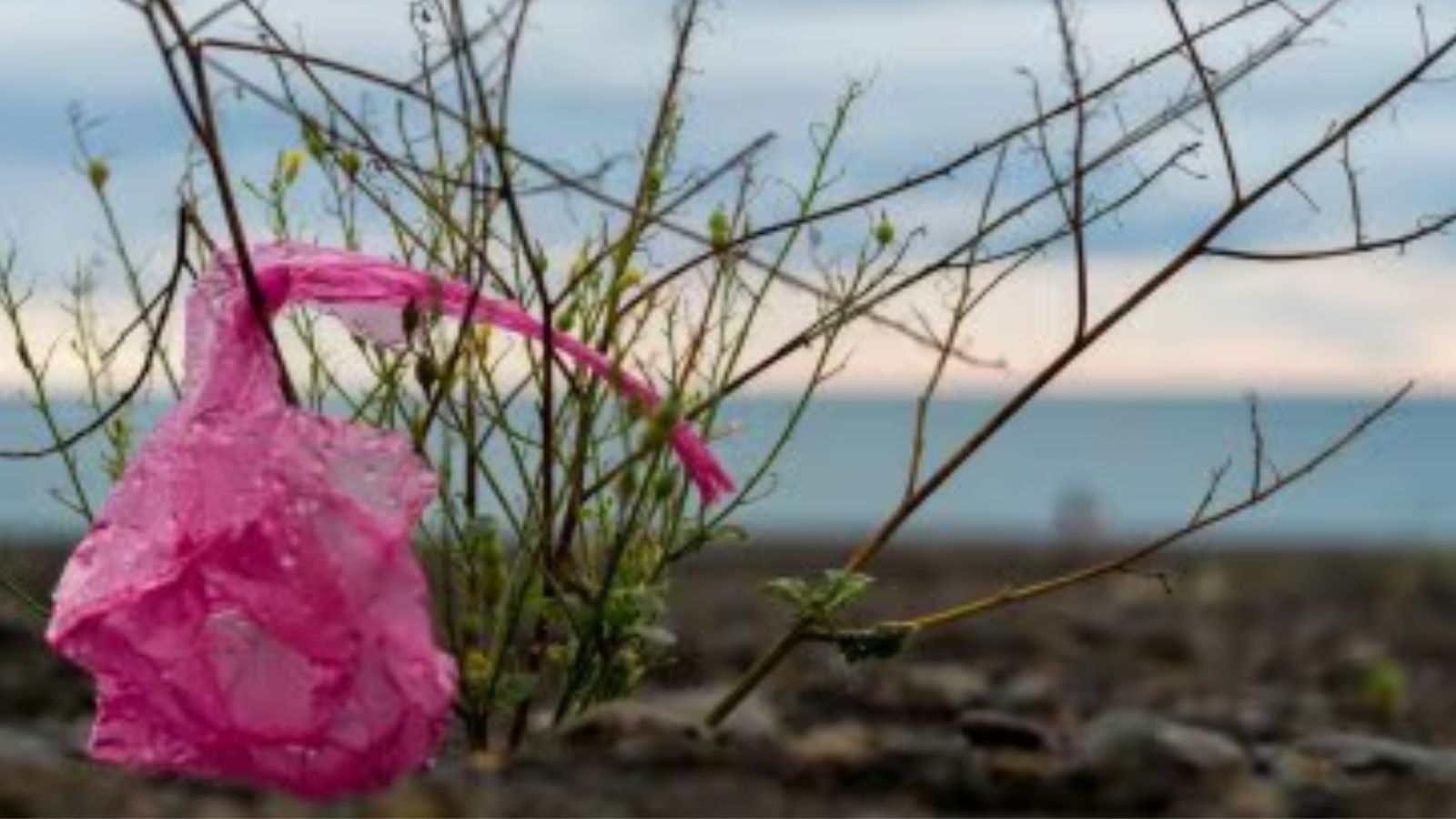 Environmental groups have raised concerns over a draft treaty document released by Committee Chair Luis Vayas Valdivieso, criticising it for insufficiently addressing toxic chemicals and human health. (File Photo)
Negotiators working towards a global treaty to combat plastic pollution are locked in heated discussions, with over 100 nations advocating for limits on plastic production clashing with oil-producing countries, which insist the focus should remain on waste management.
The talks, part of the fifth and final meeting of the UN Intergovernmental Negotiating Committee (INC-5), aim to finalise a legally binding treaty. Set to conclude on Sunday, no final plenary session had been scheduled by Sunday morning, leaving the outcome uncertain.
If successful, the treaty would mark the most significant international agreement on environmental protection since the 2015 Paris Agreement. However, deep divisions persist over its scope. Panama, with the backing of over 100 countries, has proposed a plan to set global targets for reducing plastic production. In contrast, other nations have rejected production caps entirely.
Anthony Agotha, the EU’s Special Envoy for Climate and Environment, criticised the lack of progress, saying, “We have more than 100 countries showing strong ambition. But a small group of nations are running down the clock without making meaningful compromises.” He added, “We cannot address this crisis through recycling alone. We need to tackle the entire lifecycle of plastics”, reported by Associated Press (AP).
Major petrochemical producers, including Saudi Arabia, have strongly opposed production caps, employing procedural tactics to slow negotiations, according to delegates. Saudi Arabia declined to comment on the matter.
China, the United States, India, South Korea, and Saudi Arabia were the top producers of primary polymers in 2023, according to data from Eunomia.
With hours remaining and no consensus in sight, negotiators warn that the discussions could collapse or require an additional session. “We are at a crossroads,” said Juan Carlos Monterrey Gomez, head of Panama’s delegation. “Delaying this would deliver a fatal blow to both planetary and human health. We need a result that advances the fight against plastic pollution.”
Plastic production is on track to triple by 2050, with microplastics already detected in air, food, and even human breast milk.
Environmental groups have raised concerns over a draft treaty document released by Committee Chair Luis Vayas Valdivieso, criticising it for insufficiently addressing toxic chemicals and human health. According to a 2023 UN Environment Programme report, over 3,200 chemicals in plastics pose significant risks, particularly to women and children.
“We trust that with such overwhelming ambition from the majority, the Chair can steer us to a successful conclusion,” said Agotha.
(with inputs from AP)
Stay updated with the latest - Click here to follow us on Instagram