7 min read
Stay updated with the latest - Click here to follow us on Instagram

Journalism of Courage



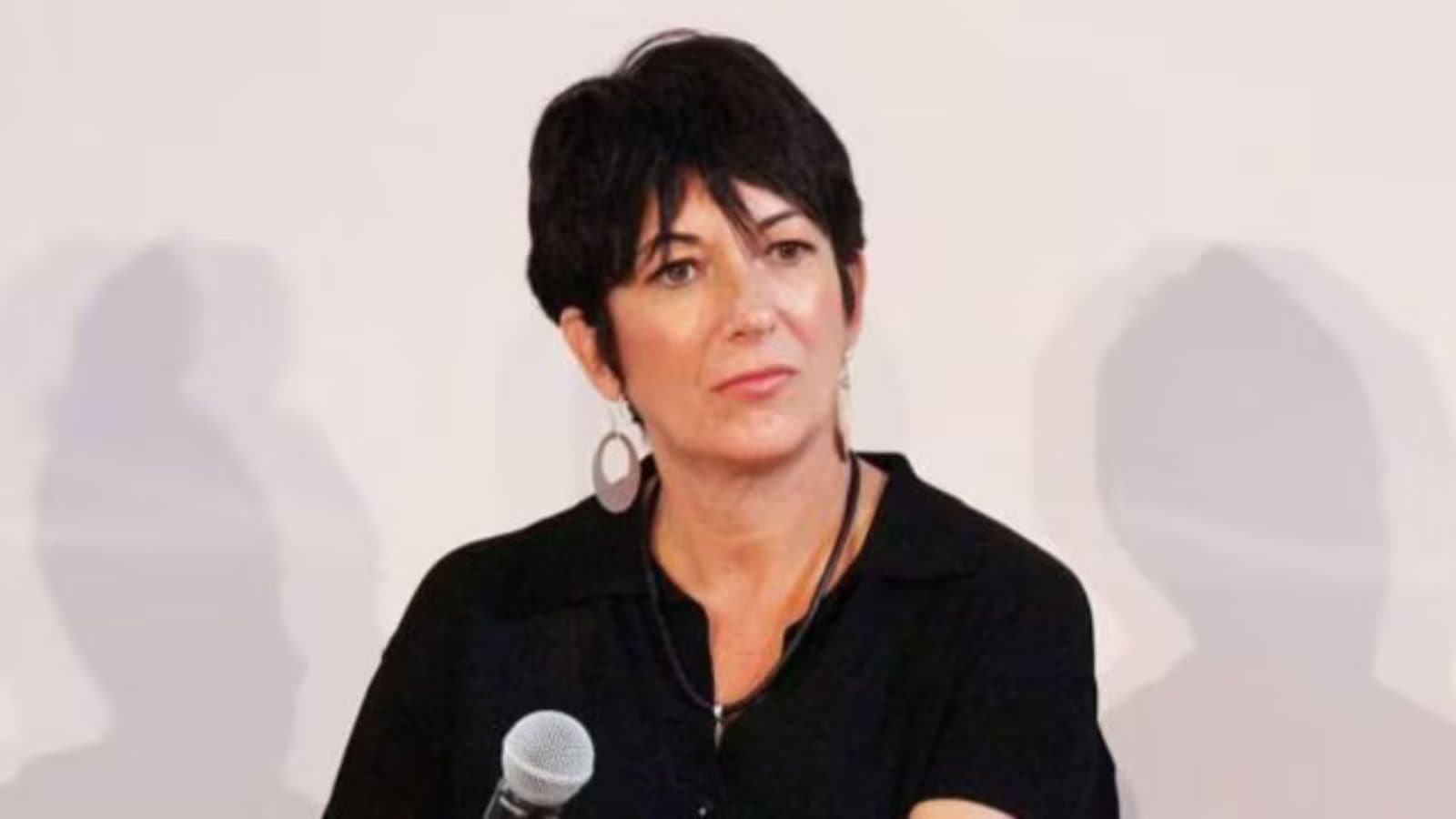 Maxwell has made it clear that she wants her 20-year sentence thrown out or reduced, or a pardon. (Photo: Laura Cavanaugh/Getty Images North America)
The yellow jacket buzz of a plane circling above the federal courthouse in Tallahassee, Florida, on Friday roused the perspiring platoon of reporters staking out a meeting between a top Justice Department official and Ghislaine Maxwell.
The plane’s banner read, “Trump and Bondi are protecting predators.”
The accusation summed up concerns on the ground as Todd Blanche, Attorney General Pam Bondi’s top deputy, concluded a second extraordinary day of interviews with Maxwell, once a fixer for financier Jeffrey Epstein who is now imprisoned on charges of sex trafficking. Her lawyer estimated that over the course of her interview, Maxwell answered questions about 100 people, though it was unclear whether they included victims, associates or others implicated in her sex trafficking case.
Maxwell has made it clear that she wants her 20-year sentence thrown out or reduced, or a pardon. President Donald Trump, asked whether he would consider pardoning her, said, “I’m allowed to do it, but it’s something I haven’t thought about.” He made the remarks before he headed off to Scotland, wishing her well.
Pressed for details of the interview with Maxwell after he landed in Scotland, he said, “I don’t know anything about the conversation.” He added, “Obviously, this is no time to be talking about pardons.”
Blanche has described his trip as a neutral fact-finding mission, saying he would share details of the discussion “at the appropriate time” — yet he has also declared that the federal criminal investigation into targets beyond Maxwell and Epstein remains closed. By that standard, new interviews would appear to serve a function beyond the purposes of traditional law enforcement, unless new evidence of criminality has been discovered, current and former officials said.
The department offered Maxwell conditional immunity to discuss the case, but the protection did not apply if she lied in her interviews, according to an official with knowledge of the situation who requested anonymity to discuss details of the case publicly. In total, the interview lasted about eight to 10 hours.
The Blanche-Maxwell discussion has stoked concerns from critics of Trump, a onetime friend of Epstein’s, that he may grant Maxwell a reprieve.
Sen. Chuck Schumer of New York, the Democratic leader, questioned whether Blanche had offered Maxwell “some kind of a corrupt deal so that she can exonerate Donald Trump.”
Teresa Helm, who was abused by Epstein and testified against Maxwell, was blunt about the consequences of such a deal in an interview with MSNBC on Friday. “It would mean the complete crumbling of this justice system that should first and foremost stand for, fight for and protect survivors,” she said, adding that the government had accused Maxwell of perjury on top of other charges.
“She should stay in prison,” said Lisa Lloyd, 65, the lone protester at the courthouse. “This is wrong. Anyone who is concerned with justice should be appalled by this.”
A Justice Department spokesperson declined to comment.
Some conservative news outlets friendly to Trump have begun to soften their tone about Maxwell — whom they previously described as a child sex predator — suggesting she might now be trusted to tell the truth about the case. This week, a host on Newsmax who has praised Trump went so far as to suggest that Maxwell “just might be a victim” who was not given a fair legal hearing.
The Friday session with Maxwell began around 9 am and ended in the early afternoon when one of her lawyers, David Markus, approached reporters to declare that she had honestly “answered every single question asked of her over the last day and a half.”
Markus, who has a friendly relationship with Blanche, said Justice Department officials “asked about every possible thing imaginable.”
Maxwell was pressed about “maybe a hundred different people,” he added, without saying who. “She didn’t hold anything back.”
No offers of clemency have been made, and Markus said that he was not asking for a quid pro quo for his client’s answering the questions.
“We haven’t spoken to the president or anybody about a pardon just yet,” Markus said. “The president this morning said he had the power to do so. We hope he exercises that power.”
Maxwell has appealed her conviction to the Supreme Court, arguing that she should not have been charged in the sex trafficking case because of a nonprosecution agreement that federal attorneys in Florida reached in 2007. The agreement promised that potential coconspirators would not be prosecuted, but Maxwell argues that it should have also protected her from prosecution in New York.
Congress has subpoenaed her to testify in August. Maxwell has not decided whether she will participate, Markus said.
In a post on social media late Thursday, Blanche said that the department would “share additional information about what we learned at the appropriate time.”
In May, Bondi and Blanche, both of whom previously served as lawyers for Trump, informed Trump that his name was among those of high-profile figures that appeared in the Epstein files, according to people with knowledge of the meeting. It was part of a broader briefing on the reexamination of the Epstein case by FBI agents and prosecutors.
In Scotland, Trump denied those reports, saying, “No, I was never, never briefed.”
It is not clear how significant the references to Trump were. But the briefing sheds light on private West Wing discussions at a moment when the president’s team is desperately trying to quell the rebellion of Trump supporters who feel that he and some of his senior appointees led them astray with campaign claims that they would make the files available.
Trump’s top two FBI appointees were among those who were adamant before taking on their government roles that there was more to uncover in the files. And earlier this year, Bondi described the files as significant material to wade through.
Trump already appeared in documents related to the investigation that have been made public. He was a friend of Epstein’s until they had what Trump has described as a falling-out in the early 2000s. At the White House in February, Bondi distributed a series of binders about the Epstein files that included the phone numbers of some of the president’s family members, including his daughter.
“As part of our routine briefing, we made the president aware of the findings,” Bondi and Blanche wrote in a statement in response to questions about the briefing, which took place in May. “Nothing in the files warranted further investigation or prosecution.”
Stay updated with the latest - Click here to follow us on Instagram