4 min read
© IE Online Media Services Pvt Ltd



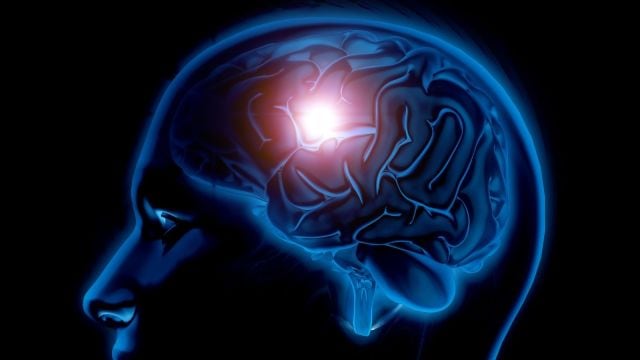 One popular theory contends that, like physical activity produces metabolic waste, mental effort leads to an accumulation of harmful byproducts. According to this perspective, weariness functions as a warning system to prevent biological harm, much like pain. (Image: Freepik)
For a long time, researchers and medical professionals have had difficulty defining, quantifying, and treating cognitive tiredness; they have primarily relied on people’s self-reports of their level of exhaustion. But a new report in Nature sheds light on why our brain gets tired.
The Paris Brain Institute’s research director and cognitive neuroscientist, Mathias Pessiglione, was interested in learning more about the fatigued brain. “Why is this cognitive system prone to fatigue?” was his question.
In order to investigate the metabolic causes and effects of cognitive tiredness, scientists from several fields are now using cutting-edge experimental techniques and biological markers.
Cognitive fatigue is a universal human experience, the mental exhaustion that builds during periods of sustained concentration, problem-solving or decision-making. It diminishes focus, motivation and judgement, increasing the likelihood of errors.
Also Read: Stepping into your 30s? New study reveals you may still be an adolescent
When combined with sleep deprivation or circadian disruption, it can contribute to severe mistakes in high-stakes environments, including medical settings or on the road. This enduring challenge has drawn growing scientific and clinical interest, especially as cognitive fatigue emerges as one of the most prevalent symptoms of long COVID.
Mental effort is mostly dependent on cognitive control, which is the brain’s capacity to govern ideas, adjust to novel circumstances, and suppress automatic reactions. When the brain is faced with novel tasks or choices, this type of regulation becomes crucial and increases neuronal activity. Maintaining that activity becomes metabolically expensive over time, which ultimately results in the feeling of exhaustion. Although the physiological causes are still being studied, scientists concur that exhaustion protects the brain by alerting it when it is about to reach a limit and needs rest.
Scientists are exploring several potential biological contributors: changing levels of metabolites such as glucose, lactate and glutamate; neuromodulators such as adenosine; and proteins such as brain-derived neurotrophic factor (BDNF).
Additionally, some research suggests that amyloid-β, which is linked to Alzheimer’s disease, may impede glutamate clearance or cause inflammation. It is yet unknown if these compounds induce weariness directly or just indicate its existence.
One popular theory contends that, like physical activity produces metabolic waste, mental effort leads to an accumulation of harmful byproducts. According to this perspective, weariness functions as a warning system to prevent biological harm, much like pain. Crucially, the brain includes safeguards: sleep ultimately steps in if a person pushes too hard.
Traditionally, self-reports or changes in task performance have been used to quantify cognitive tiredness. Both strategies have serious drawbacks. Self-evaluation is intrinsically subjective, and variables unrelated to weariness, such as motivation or boredom, can cause performance to change. Furthermore, cognitive efficiency losses might be concealed by learnt methods.
These restrictions have prompted attempts to create more objective assessments by fusing behavioural patterns with biological indicators. The goal of research is to comprehend how metabolic alterations in cognitive-control areas affect motivation, reward appraisal, and decision-making. According to one new theory, weariness causes the brain’s cost-benefit analysis to change, favouring low-effort, quick-reward options.
For many people, cognitive fatigue is an occasional companion. But in conditions such as long COVID, chronic fatigue syndrome (ME/CFS), multiple sclerosis, depression, Parkinson’s disease, and post-traumatic stress disorder, even simple tasks can feel overwhelming.
According to research, there may be similar underlying causes for both physical and cognitive weariness. Demanding mental effort can exacerbate physical tiredness, just as a marathon stresses both the body and the mind. On the other hand, extreme mental stress can make people less inclined to engage in physical activities.
Research on the effects of sleep, stress, inflammation, and circadian rhythms on weariness is still ongoing. Micro-episodes, which are momentary attention lapses that resemble local sleep states, are known to occur when sleep deprivation causes small groups of neurons to momentarily shut down. These results demonstrate that sleep is still the brain’s most effective means of regaining cognitive function.