8 min read
© The Indian Express Pvt Ltd



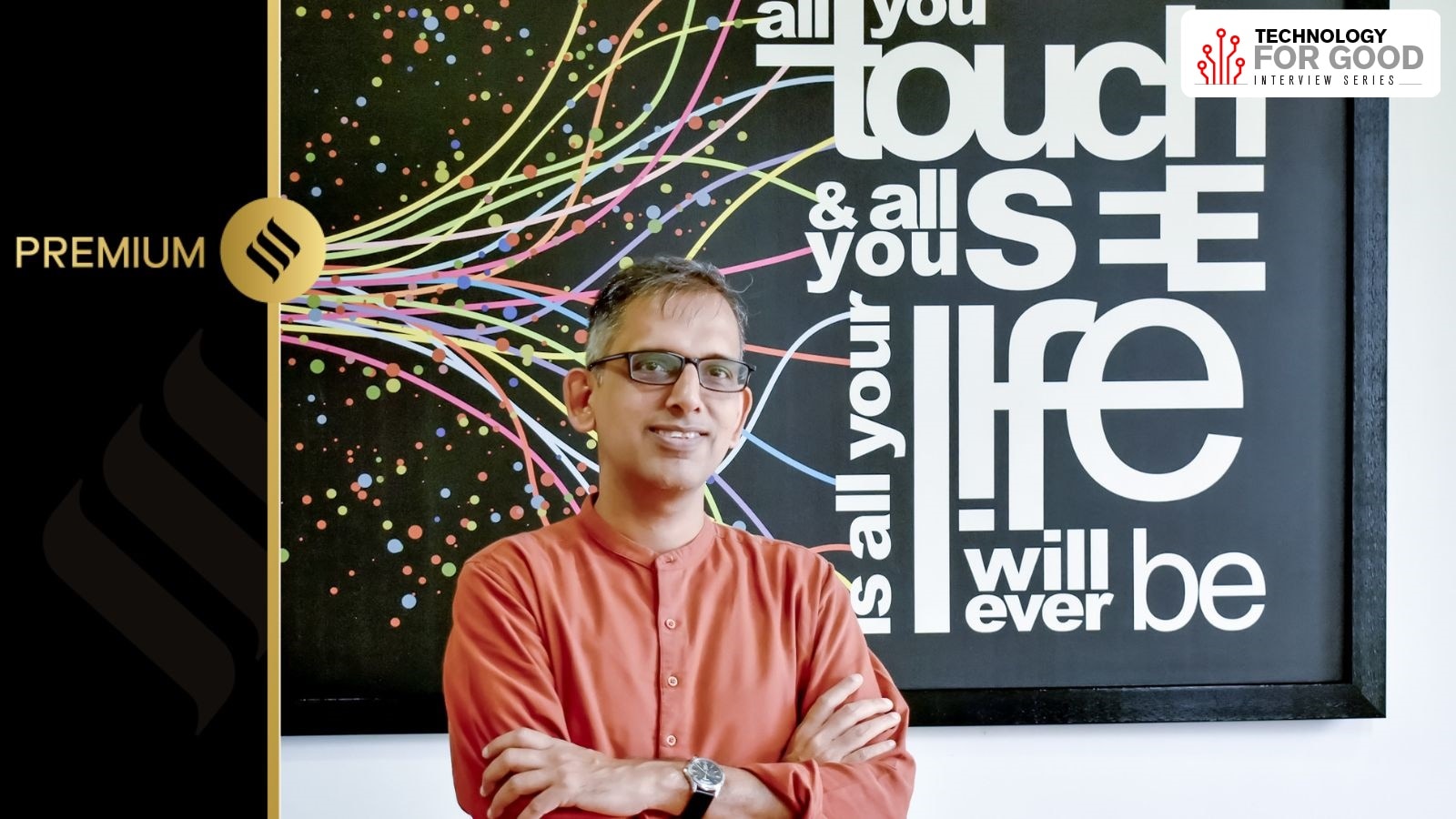 A techie-turned-farmer, Shisodia helped start a farm collective near Bengaluru and has his own farm in Coorg. (Express photo by Jithendra M)
Sameer Shisodia is the CEO of Bengaluru-based Rainmatter Foundation, a nonprofit that supports climate action and a healthier environment.
Rainmatter Foundation was founded by Nithin Kamath and Kailash Nadh of Zerodha fame to push Indian industry towards a better understanding of climate and environment.
A techie-turned-farmer, Shisodia helped start a farm collective near Bengaluru and has his own farm in Coorg, with earlier stints at Wipro, Oracle, Yahoo, Reverie technologies and Mobisy, apart from co-founding a mobile search startup, Ziva, that was incubated at NSRCEL.
Shisodia spoke to indianexpress.com on the Rainmatter foundation, his passion for sustainable living, his investment and grant making philosophy, and the opportunities and challenges for climate tech startups in India.
Edited excerpts:
Sameer Shisodia: We at Rainmatter Foundation focus on grants and fellowships for nonprofits. However, we also work actively with Rainmatter Capital, and provide them insights and advice on interesting opportunities in the climate investment space.
As for the Rainmatter Foundation, we do not start the story with tech. We start with lived experiences. We see that there are bad tradeoffs that are being made in society, particularly when it comes to the environment and we want to focus on that. However, we do make grants for nonprofits which have a large tech component, or use tech to solve some outstanding issues.
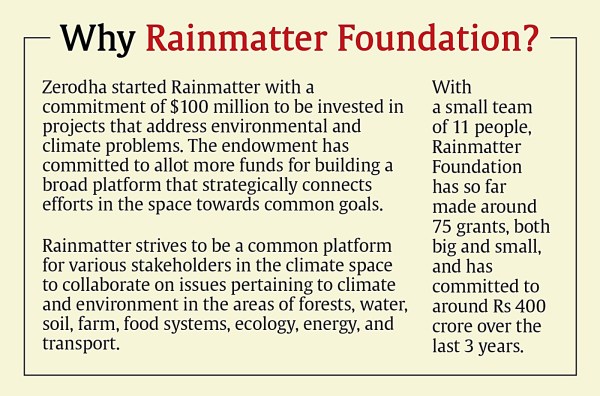
Our philosophy is that we take a long term view on our impact investments in tech. We are not chasing an opportunity and we are not into exiting with large returns immediately. We pick projects which might not be fundable by other investors. We understand the long gestation lag, and the need for patience. Sometimes we look at the underlying tech that they are trying to disrupt. For example, if the focus is on battery tech, we look at it from the environmental perspective of battery recycling and look for companies in that space, rather than look at one more battery tech company.
We also fund Tech4Good Community, which enables nonprofits to be tech-ready and helps them in their impact and outreach.
Sameer Shisodia: We have invested in around 20 odd companies in the climate tech space and as part of Rainmatter Capital.
One of our investee companies is Akshayakalpa, among India’s first organic milk brands. You can see it as an investment in dairy tech, but it goes much beyond. The biogas plants that power the factory kitchens, the design of the sheds, the MIS on the farm and the amount of data that is being collected is amazing. It is such a data-intensive operation. Even software companies do not collect so much data on their operations. They check for 400 traces of chemicals in the milk and then serve their consumers.. It is appropriate tech that is so well integrated into the system that it works at multiple touch points to give a better and a sustainable product. In each of their processes, they have embraced data and tech but they have done it in a sustainable manner. You must see the innovations they are bringing, from tracking soil carbon data to those in their cooling chains for transporting milk.
We have also invested in SundayGrids, a digital solar platform that enables users to reserve solar energy from community solar projects to offset their power bills. Digital solar is not rooftop solar; you need not install the solar power system at your home nor does it supply power directly to your home. Instead, based on the investments you made in a community solar installation, you receive credits to offset your power bill. These credits are transferred online, enabling you to access solar energy from places with excellent sunshine regardless of where you are. This is a unique product which is slowly getting implemented in various parts of the country.
We have also invested in Blue Sky, which crunches massive amounts of satellite and other data to provide real-time predictive environmental intelligence. It is a geospatial data intelligence company.
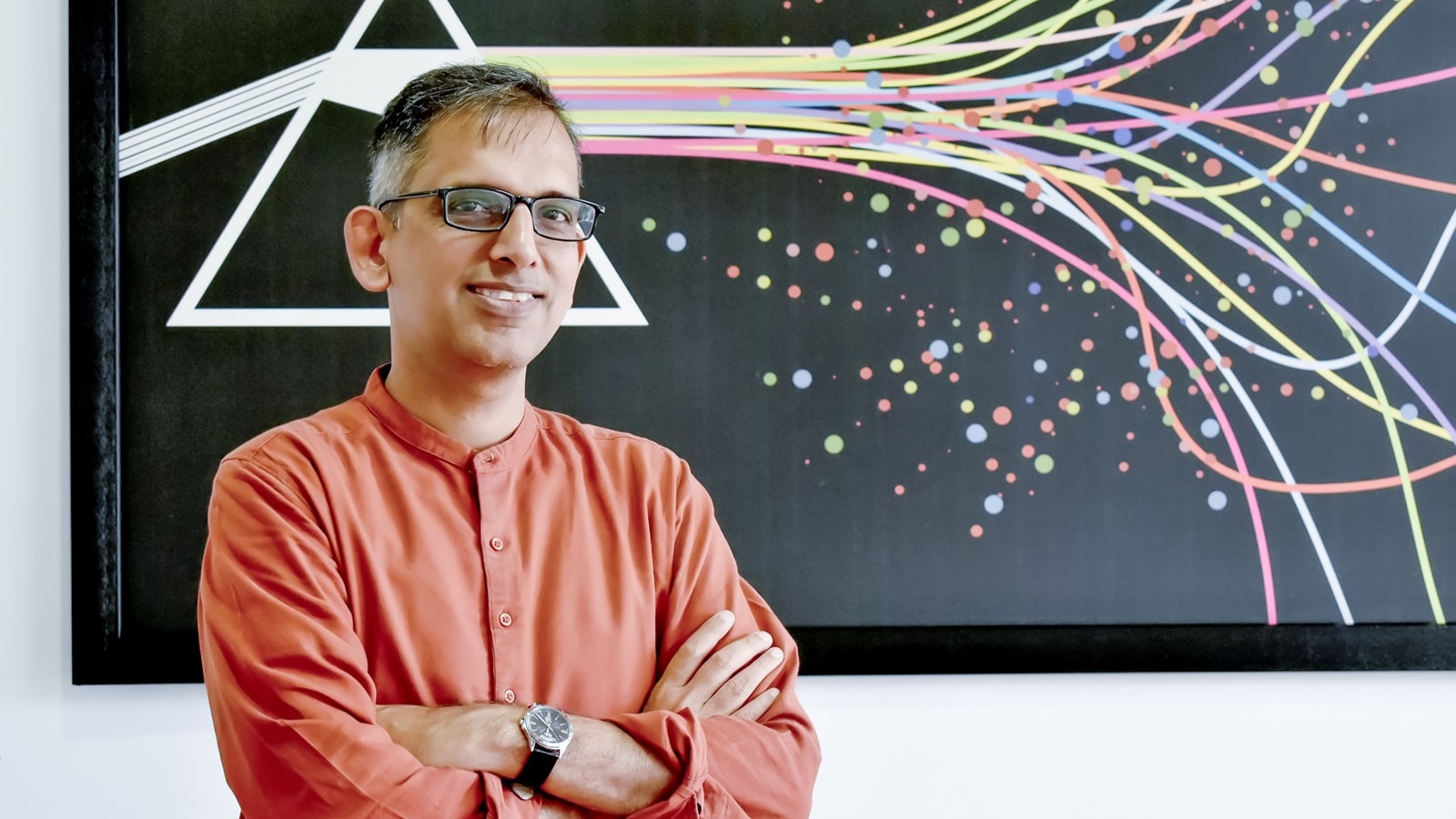 Talking about learnings from climate/cleantech investments in India, Shisodia says “it needs patience and there is a long gestation period for the companies that are building fundamentally new products and ideas”. (Express photo by Jithendra M)
Blue Sky Analytics produces high-resolution satellite intelligence data which is highly relevant for monitoring, measuring, mitigating, verifying, and predicting climate risks. They are also the founding members of the Climate TRACE initiative by Al Gore to execute asset-level emissions monitoring across the globe.
We have also invested in Ossus Bio which has developed an intelligent bioreactor which accesses carbon in the wastewater from process industries and supplies these industries with on-demand, on-site hydrogen gas. They are furthering the green hydrogen space by using waste carbon in industrial effluents as the starting material for green hydrogen. They design intelligent electroactive microbial communities for selectively targeting and breaking down the organic content of effluents for biohydrogen production.
Sameer Shisodia: One of the investments which we think will provide an outsized and disproportionate social impact when it matures is Zerocircle.
Zerocircle uses seaweed to create bio-alternatives to products that we use in our daily lives and enables organisations to create solutions that are perfectly circular, and leave nothing behind. The many varieties of seaweed that grow in the ocean contain vast reserves of nutrients that can be used to fight food scarcity, in sustainable packaging, and in reversing climate change.
The future could be in bio yarn fabrics for sustainable high street fashion, compostable shoe soles, bio materials for food packaging, and safe materials in medical sciences for gloves and sutures.
It is our long term bet and our thoughts are that we need to be ready with the materials when consumer demand picks up and mandates are made to shift to bio alternative materials.
Sameer Shisodia: Yes. We have invested in MatchLog which deals with the problem of shipping containers going empty after they come from the port. It is like an Uber for shipping containers, where the container goes back to the port with goods which are pre booked. It eliminates the wastage of thousands of these containers running empty. It works on a plan to decarbonise the shipping industry and its tech platform uses a machine based cargo pairing system.
Sameer Shisodia: Our learning is that it needs patience and there is a long gestation period for the companies that are building fundamentally new products and ideas. The Indian space cannot be based on equity alone, it should be a mixture of equity, debt and grant.
Besides capital, startups need to comply with government regulations while building business models. They face the unique risks of changing procurement and facilities costs and supply chain unreliability.
For example, in the solar space, we find that it is the household solar sector in the sub 3 kw category that most of the impact would be, while the investments are all flowing into the 5kw and above category where there is large-scale adoption.
We also recognise that when investors sense an opportunity, the sector might already have matured, and if that is the case we look at other gaps for our intervention. We normally invest in the range of Rs 5-10 crore.
There is no silver bullet to fight climate change. It is a long game.