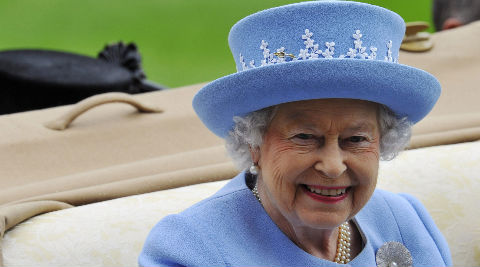

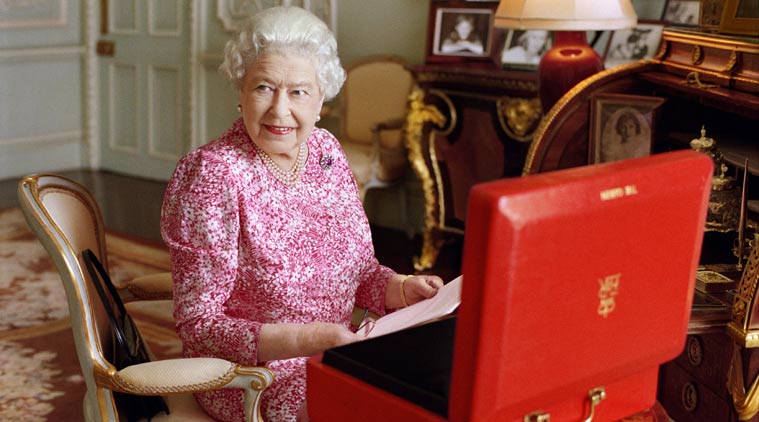
At 5.30 pm BST on September 9, Queen Elizabeth II replaced Queen Victoria as the longest-serving British monarch, having reigned for 63 years and 216 days — she’ll have to live till 108 and hope the king of Thailand, who has reigned for 69 years, doesn’t beat her to it if she covets the world record. In many ways, the story of the queen’s time at the top is the story of the modern age. When her father died and she ascended the throne in 1952, Stalin was at the helm in the Soviet Union, Truman was in the White House, Churchill in 10 Downing Street and Nehru in Teen Murti Bhavan.
The Cold War was hotting up and much of the world was recovering from the battering of World War II and colonisation — Britain, for instance, still had food rationing. Indeed, there was still such a thing as empire and Pakistan was not then an Islamic republic; in fact, it had a white woman head of state, Elizabeth.


The fundamental compact between the queen and her “subjects” is much altered. She is not seen to reign as much as serve their need for a unifying symbol. And the investment value of the Windsors is much discussed and justified — costing only 56 pence per taxpayer, it could be argued that the United Kingdom receives its money’s worth from the hordes of tourists gawking at Buckingham Palace and the Tower of London every summer. Of course, some things never change. The queen still owns all the swans in the Thames and you could end up in the tower at her majesty’s pleasure if you try to eat one.


