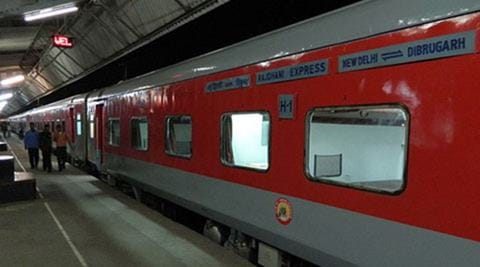

The Indian Railways’ move to introduce “surge pricing” on some of its premium, high-speed train services such as Rajdhani, Shatabdi and Duronto, with fares rising by 10 per cent for every 10 per cent tickets sold, deserves a qualified welcome. Dynamic pricing is a globally followed practice in the rail transportation industry and has already been used by aviation companies in India. Surge pricing should be seen as part of a similar transition in the Railways, which has so far been hampered by fares being fixed through the annual ritual of a Rail Budget. Dynamic fare setting opens up the hope of the Railways transforming from a departmental enterprise, which runs 21,000 trains and carries 23 million passengers daily besides three million tonnes of freight, to a more commercially-oriented organisation. This transition is inevitable in the face of competition from airlines on premium routes and also from road transport on other segments. A dynamic fare system was, in fact, introduced by the Railways in 2014 for Rajdhani trains, helping generate higher revenues over the base fare. But there were flaws in the way it worked. This time round, the Railways appear to have adopted a simple and transparent formula for pricing, while also choosing trains for which there is generally demand all through the year. That should provide greater flexibility compared to the existing system of a common fare table and flat pricing model for most trains, irrespective of demand-supply dynamics.
But surge pricing should be dynamic, which means fares also falling during lean times. Besides, the Railways must ensure refunds on time and improved services as well. The dynamic pricing model ultimately has to be applicable even in non-premium trains, where there is less possibility of passengers opting to fly or take the road route. There is also a need to take a hard look at the current practice of cross-subsidisation of passenger fares or keeping passenger fares low by charging high rates for carrying goods. This has to be coupled with a restructuring of the Railways’ finances. With reduced access to government funding through budgetary resources, the Railways cannot continue to discharge social obligations, whose costs are estimated at about Rs 25,000 crore annually.


