

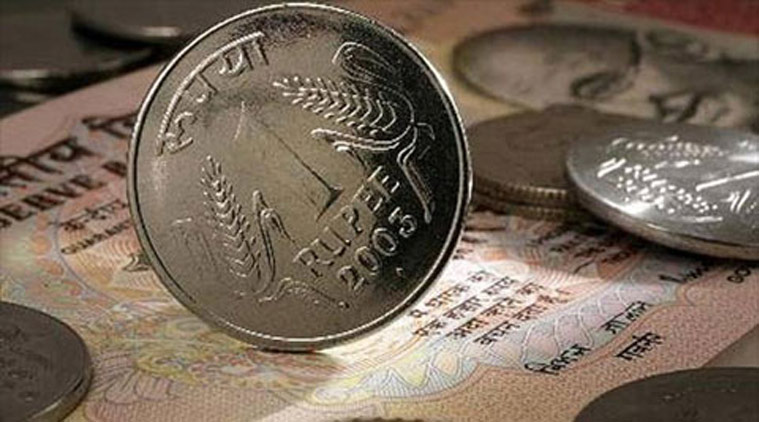
Food and finance may make for strange bedfellows, more so when the effort is to impart an exotic flavour to otherwise staid debt instruments. But that’s what the Chinese did with “dim sum bonds” denominated in yuan, first issued in Hong Kong in 2007 and then in London in 2012. These bonds became popular with foreigners mainly because of the Chinese renminbi’s appreciation, making them a safe investment avenue. Now, it is India’s turn. During his recent UK trip, Prime Minister Narendra Modi announced that the Indian Railways would issue rupee-denominated “masala bonds” in London to raise cash for its network expansion.
While Modi pointed to history — how the railways’ journey in colonial India had originated in London’s financial markets — British Chancellor of the Exchequer George Osborne expressed hope that the new bonds would catch on as well as chicken tikka masala, a perfect illustration of an Indian dish adapted to suit English palates. Osborne, of course, won’t mind both the Chinese and Indians using London as a centre for fund-raising, especially with the UK banking sector steadily losing market share to rival hubs like New York, Hong Kong and Singapore.


