


Tags:


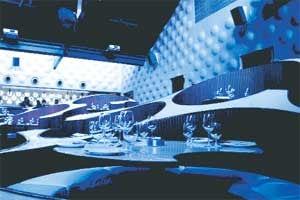
How puzzling all these changes are! Im never sure what Im going to be,from one minute to another, exclaims Alice in Alice in Wonderland.
Design can never be tabula rasa or so we thought until Le Corbusier came along and gave us a parliament building in Chandigarh,that defied form and announced a new India. If we keep aside the modern India agenda,there is little in the post-Independence built landscape that merits mention. Form rarely breaks away from function,more often than not,form follows emulation. Can freedom of form mean a freedom of an idea,of space,of purpose? Can there be freedom from playing safe? asks architect Samira Rathod of Samira Rathod Design Associates. Take a minute to think of buildings today that awe and inspire,chances are you will draw a blank. Why is that?


Is it about economics,then,where a deep-pocketed client can fulfil the angst of a design-barren landscape? Suparna Bhalla,director,Abaxial Architects says,Its about having a discerning patron but in the 1960s,the state too was a patron. Today,design is not on the menu of a government diet. Its all about fulfilling basic needs,so when you have basic everything what youre left with,is mediocrity. And thats why we lack dynamic spaces in our country. Between the unreasonable matrix of policy and bylaws,buildings in Delhi are mere boxes,she says. Positions of windows cant change,mixed-use buildings are not possible; design is governed by the larger need to provide safety. So then its quite literally be safe rather than surprise.
While commercial buildings will rarely find a freedom of form,there is hope where offices have chosen to integrate employee-needs into the design. With live.work.play being the symbol of fullness in life,companies are breaking away from cubicles and monochrome furniture to bring in a fresh design aesthetic. Google offices may have set the trend but home-grown Myntra too has developed a colour board in its Bangalore office that suggests youth,fun and abandon. Some offices even have creches,if not a TT area or golf simulators.
Freedom of form may be a myth just yet in India but freedom of function and programme may be evolving. Temples are now using cultural shows and histrionics to bring in the money by luring tourists. Visits to Akshardham or the Iskcon temples in Delhi can pack in a picnic and even robot shows.
Do these revised programmes of intent mean freedom in design? For true freedom of design,clients have to take a stance,hold competitions for new talent to emerge,go beyond anticipated profits,and be willing to learn. Can we trust our architects to build without external references? says Rathod. With freedom comes responsibility. Architect Sameep Padora of Sameep Padora amp; Associates says,In this time of limited resources,to build an imaginative idea just because one can,is an unsustainable and wasteful enterprise. The validity of the form and its difference must come from questioning the traditional manifestation of that project and looking for a strategy that will validate form in its physical context and its time.
These arguments do not visit the domains of community consensus,bridging the urban-rural divide,sustainability or proper infrastructure,that is another debate. For today,Indias design deficient landscape could do with spaces that act as catalysts,that inspire and direct us towards a better way of living,that encourage us to think and renew a belief in ourselves.


