Journalism of Courage
 2 min read


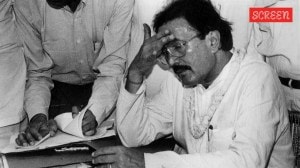
It could be an O. Henry story. The Indore police arrest a man in 1983 for assault; he is soon released on bail. During the court hearings he appears only once,then disappears. The court declares him an absconder. Years later,the same man becomes a judicial officer in the same city and rises to the post of additional district and sessions judge. After about 15 years of passing judgments against his fellow citizens,he is finally discovered. On second thought,even O. Henry would have dismissed this plot as too fanciful.
Judge Narendra Kumar Jains real life chutzpah points to a larger rot. As per Article 235 of the Constitution,control over subordinate courts rests with the state high court,with senior high court judges charged with district-wise supervision. This makes twin demands of their lordships: as judges as well as managers the latter being a lesser-known and even lesser exercised skill. In Jains case,this meant that the Madhya Pradesh high court failed to cross-reference his antecedents with criminal records available within its own jurisdiction. While it is thankful that Jain has been finally suspended after a vigilance inquiry,the question remains: why was an absconder from the law allowed to dispense it for so long?
Indias higher judiciary,often called the worlds most powerful,is famously independent. It routinely strikes down laws,clashes with the executive,and expands the rights and freedoms available to Indian citizens. But its role in the mundane task of administering speedy justice is less noteworthy. To quote but one number from a deluge of data,the Delhi high court chief justice himself admitted in 2009 that it could take up to 466 years to clear its case backlog. Allowing an absconder to become a judge for over a decade is similarly a management and administrative failure,not an adjudicatory one. In O. Henrys stories,the moral is deliberately ambiguous. But the large implications of this real life story are unambiguous. The daily rituals of administering justice are as important as stirring pronouncements from the bench.