Journalism of Courage
 2 min read


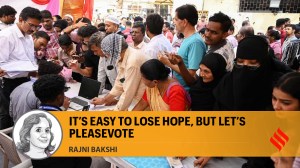
Polling in six phases for Bihars 243-member assembly is to be spread over a month,from October 21 to November 20. This is presumably for reasons of securing the vote against violence and fraud. But the schedule also highlights the phenomenal stamina of Bihars politicians to canvass the voters,to engage their broad political themes with local issues so that its not just abdication of duty when forecasters predict a sum of 243 verdicts and essentially to celebrate the drama of returning to the electorate. So it is once again mystifying that the men who lead their party campaigns are choosing not to stand for election.
Chief Minister Nitish Kumar is the first to go official. He says he need not contest a particular constituency because he already is a member of the legislative council,adding rather too glibly that entire Bihar is my constituency. And there is speculation that Lalu Prasad,once again the RJDs chief ministerial candidate after the Rabri Devi interlude,may opt out too. As may Ram Vilas Paswan,fighting for political survival after his LJP drew a blank in the 2009 Lok Sabha elections,and Sushil Modi,deputy chief minister whos done the heavy lifting to keep the JDU-BJP coalition intact. No state makes such theatre of its politics as Bihar does,and this level of refusal to personally face the electorate demands of its politicians answers more direct than are currently forthcoming.
There was a time when politicians showed off their popular appeal by standing from more than one constituency it kept the party workers enthused and it helped the leader make a pan-India or statewide point about widespread acceptability. It took the fight to the rivals. Which is why it does not matter what reasons are put forth for the current flight from the fray. It reflects unacceptable evasiveness from politicians who have in the past presented themselves as political gamechangers.