Journalism of Courage
 2 min read


Anna Hazare is what they call a hunger artist. Over the last two decades as a career dissenter,his preferred way of wresting victory has been to deny and starve himself. The cause can be small or large. He has fasted for specific action on cooperatives regulation or power supply to farmers,for example. It can be an eccentric project like demanding a certain subsidy for papaya cultivation. Or it can be in the service of a larger goal,like transparency. His fast finally caused the government to give on the contentious question of leaving official file notings out of the RTIs ambit. Anna Hazare has fasted for 113 full days,on 15 occasions and his methods have managed to bend the most immovable forces,as the UPA is now learning.
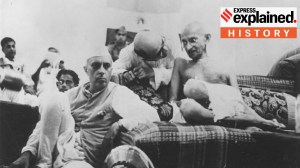
Fasts force the worlds attention with their radical self-denial. They convey a commitment truly larger-than-life,that defies life. Hunger strikes have been used by many constituencies,from the Celtic starving at an enemys doorstep to the tactics of IRA activists,from suffragettes to labour union leaders. They have a special moral force and historical resonance in India,a running tradition from Gandhi to Irom Sharmila,that uses fasts to protest injustice and to shame power. Potti Sriramulu famously died fasting for a separate Andhra Pradesh. They have also been directed at discrete political goals like the competitive fasts in in Andhra recently,or Uma Bhartis Ganga fast. But whatever the reasons,Hazares fast against corruption and for a specific conception of the Lokpal office,has now captured the spotlight.
But is fasting fair? Ambedkar put on record his dismay at Gandhis fast over separate electorates for the depressed classes,one that roughly settled the matter,and not to everyones satisfaction. He identified the element of coercion and stubbornness in the method,one that Gandhi himself used very,very rarely. Indeed,conscious of this,Gandhi often explained the morality of both the ends and the means. Fasting is as much about interrogating oneself and the methods as it is about self-denial.