Journalism of Courage
 2 min read



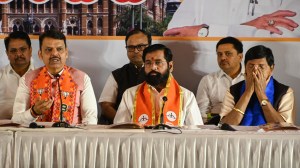
News of Vilasrao Deshmukh8217;s impending resignation as chief minister of Maharashtra had been around since Sunday afternoon. Soon after, he had gone public with his offer to resign, if the high command so wanted to affix political accountability for the Mumbai attack. The point is not that it took till late Wednesday for the Congress to confirm that he would indeed be replaced. What jarred is that at a time of crisis, an older durbari politics asserted itself. Accountability is a good principle. But for a demanded resignation to be a signal of political responsiveness in the event of a disaster, it requires that a successor be named promptly and thoughtfully. Instead there were leaks about the relative merits of various contenders, with Congress8217;s coalition partner in Maharashtra, the NCP, saying that it too be consulted on who should be the next CM.
This ties in with the greater threat made evident this week to Indian democracy. And it is not just Congress8217;s Maharashtra politicians who must deliver. An 8220;us versus politicians8221; discourse has gained far too much high-decibel currency. Of course, as the big turnouts across the states going to assembly polls show, there is in this country immense trust in the electoral process. This anti-politician mood is certainly not representative. But given the elite constituency it is acquiring, this cynicism can pervert our politics and the public discourse.
Therefore, it is not just that politics is the medium through which India will have to take up the urgent debate on internal security and the consequential questions of civil liberties. But it is politics itself that must defeat the cynicism about politics. The Congress8217;s Maharashtra changes may have been rooted in responsiveness. But the delays in carrying them through cleanly was unfortunate.