Journalism of Courage
 3 min read



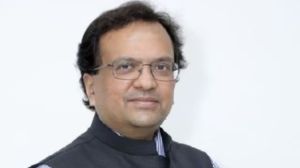
D Subbarao gave his first statement as the governor of the Reserve Bank of India this week. There are two elements of the statement that are particularly interesting and mark a change from the Reddy era. First, in the immediate context of monetary policy, Subbarao8217;s statement suggested that he felt that over the next few months inflation might already be headed downwards and he would examine the effects of the monetary tightening that has already been done before hiking interest rates further. Since monetary policy is forward-looking, this is the correct approach, instead of reacting to past inflation numbers as the RBI has been doing in recent weeks. If with slowing growth and declining oil prices inflation is likely to come down over a period of six months or so, the best policy may be to not raise interest rates any more.
Second, Subbarao indicated that he is in favour of financial sector reform. This is again an important and significant shift from the Reddy era. Barely a few days ago, as Dr Reddy stepped down, he is reported to have dismissed the Percy Mistry and Raghuram Rajan committee reports on financial sector reforms. Subbarao, in contrast, categorically said that drawing up their work, the RBI will now work with the government and other regulators to chalk out a medium-term strategy for reform in the financial sector. This newspaper has firmly supported the view that India urgently needs a clear and effective strategy for building the legal and institutional framework that can create a modern financial and monetary sector. Indian industry and services are growing very fast and integrating with the world at a rapid pace. Today8217;s financial sector is not changing at a pace fast enough to facilitate this growth. This must change. Subbarao8217;s first statement as governor indicates that he is willing to work towards this change. This is a very welcome attitude. There is a need for coordination between the RBI, the SEBI and the government to implement the far-reaching changes that have become necessary.
While every change and innovation involves risk, today India is at a bigger risk if it remains too conservative. A roadmap for reforms should have in place a well thought-out transition path, a strong regulatory structure and a modern institutional framework. Regulation should move away from the licence-permit Raj.