6 min read


📣 For more lifestyle news, click here to join our WhatsApp Channel and also follow us on Instagram
© IE Online Media Services Pvt Ltd



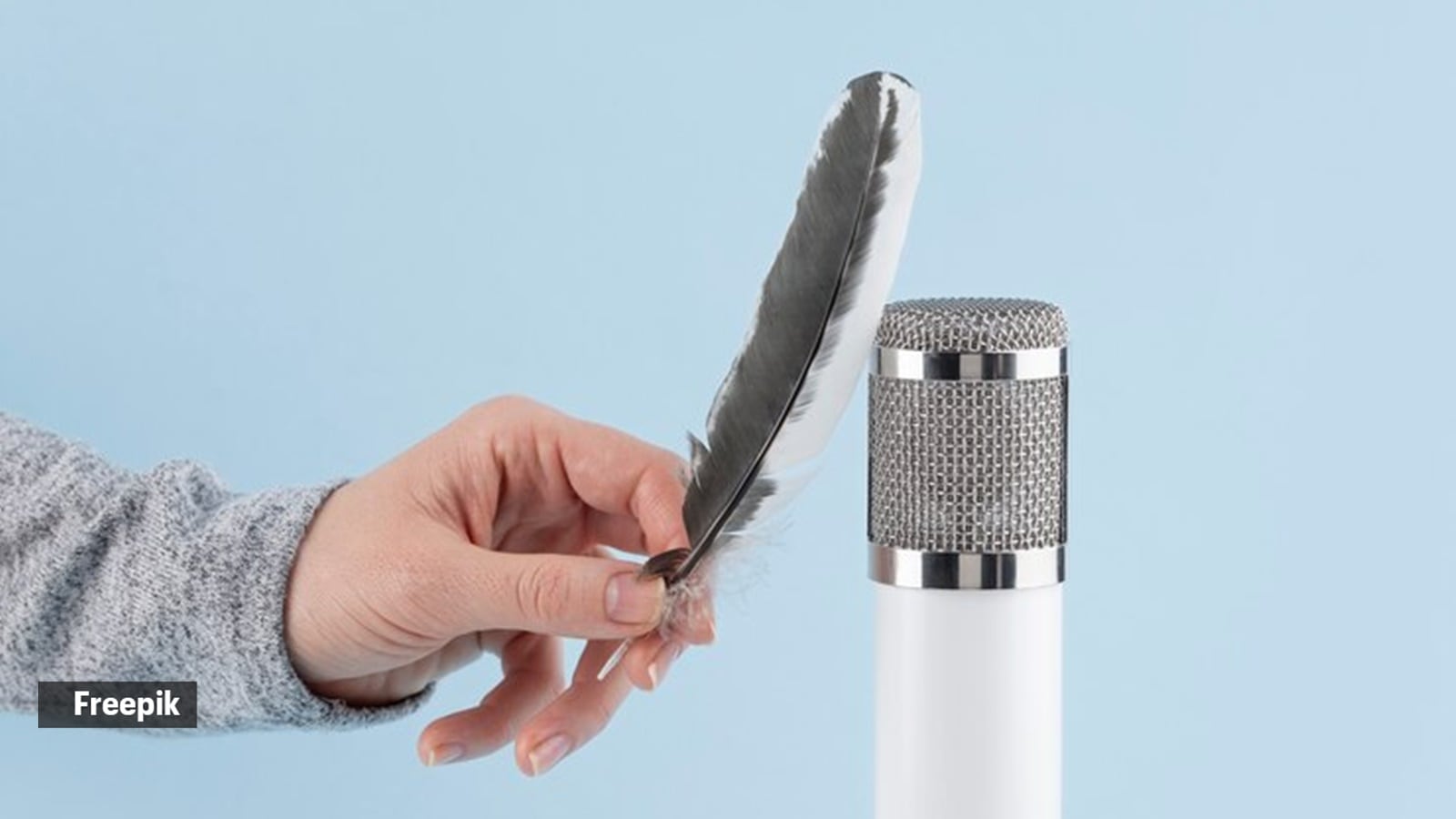 Do you watch or listen to ASMR?
(Source: Freepik)
Do you watch or listen to ASMR?
(Source: Freepik)The Internet is a treasure trove of bizarre trends. Autonomic Sensory Meridian Response (ASMR) is one such trend that has emerged as a global phenomenon, racking up millions of views across long-form videos compressed into bite-sized chunks in easy-to-consume formats. ASMR refers to a tingling, calming sensation triggered by certain stimuli, often felt in the scalp, neck, and back. While it may seem gimmicky, its growing popularity calls for a deeper look into this unique subculture.
ASMR spans various visual, auditory, physical, and tactile mediums. Popular triggers include makeup destruction, shredding paper, playing with kinetic sand, and grating cheese—the possibilities are endless.
Nishtha Khurana, a counseling psychologist at Lissun, describes ASMR as a mix of arousal and relaxation. Some describe it as tingles, chills, or waves that travel through the head, neck, and spine, followed by emotions of happiness, calmness, or tiredness.
Sonal Chadha, a clinical psychologist at Lissun, said that ASMR activates the parasympathetic nervous system, which is responsible for rest and relaxation. It can reduce heart rate, promote ease, and mimic nurturing behaviours like soft talking or gentle tapping. “ASMR triggers may also release endorphins and oxytocin, contributing to feelings of pleasure, bonding, and comfort. This is similar to the feeling of being cared for, as ASMR often mimics nurturing behaviours like soft talking, tapping, or gentle movements,” she said.
ASMR has gained widespread popularity in recent years due to its sense of community. “Online platforms like YouTube and social media have created a supportive space where creators and viewers can share experiences and discuss their favourite triggers. This inclusivity helps people feel understood, particularly those who may otherwise feel lonely in their ASMR experiences,” said Khurana.
Karishma Kumari, a PR professional, said she enjoys watching ASMR content because it captures the beauty and simplicity of everyday sounds, calming her often-overloaded mind. “Many ASMR videos today feature cooking and cleaning, where sounds like the sizzle of tadka, the rhythmic chopping of vegetables, or the clinking of glassware bring an extra layer of peace and charm,” said Kumari, who finds this experience “remarkably satisfying”.
View this post on Instagram
Amit Sethi, 25, a quality analyst at Compucom India Ltd., shared that he loves watching food ASMR videos late at night, usually right before falling asleep, as it “acts as a trigger for his taste buds”.
Rajeev Khanna, an experiential design artist, said that recording the subtle sounds of brushstrokes and mixing paints brought him immense calm and introduced him to the audio-visual genre of ASMR. He said that while ASMR has been popular worldwide for years, India joined the trend later, with some artists now making it a sustainable career. “ASMR in India is nearing its peak in the hype cycle, but consistency is key for content creators,” he said.
Deeptaroop Basu, another ASMR creator, traces his journey back to learning instruments like drums, guitar, keys, and flute, which led him to explore the physics of sound. “I began experimenting with waveforms, filters, and modulation, eventually delving into Cymatics—the study of visual patterns created by sound vibrations,” he said. For Basu, ASMR is more than content creation; it’s a personal quest to understand the universe’s intricate connections through sound.
Varun Malik, Head of Marketing, Shalimar Paints Ltd revealed capitalising the hype of ASMR to introduce a series showcasing their product. “Social media users are actively engaging with it, potentially because of its calming effect. We saw this as an opportunity to engage with more users and have imbibed such content in our social media approach. As a legacy brand in the ecosystem, we were positive that our first mover approach will garner a positive response from consumers.”
According to Chadha, ASMR’s effects are highly subjective, and the sensitivity to ASMR triggers varies widely. “The way people process sensory input or the connectivity between brain regions involved in sensation and emotion may influence their sensitivity to ASMR triggers,” said Chadha.
Some individuals associate certain sounds, like whispering or tapping, with positive feelings, enhancing their ASMR experience. “For others, these sounds may evoke discomfort or simply be neutral, which is why they don’t feel the same effects,” she said.
View this post on Instagram
While experts believe ASMR is generally safe, there are potential risks. Khurana warns of habituation, where overexposure to ASMR triggers reduces their effectiveness. “Some people may react negatively to ASMR by feeling stressed or unhappy. For example, an ASMR video that involves tapping or breathing may elicit these emotions rather than relax you,” she said. She also stressed that ASMR should not be seen as a medical treatment. “If you face sleep or mood issues, it’s essential to consult a doctor to address the underlying cause,” she said.
Dr Syamlal S, senior consultant at KimsHealth, Thiruvananthapuram, concurred, noting that while the exact mechanisms of ASMR remain unclear and not everyone experiences it, ASMR is largely harmless. Many people use it to reduce stress, improve sleep, and enhance relaxation, with reported benefits like reduced anxiety and improved mood. “Studies indicate that people with certain personality profiles, particularly those with neuroticism or open-minded tendencies, are more prone to ASMR than those without these traits,” he said.