5 min read
📣 For more lifestyle news, click here to join our WhatsApp Channel and also follow us on Instagram
© IE Online Media Services Pvt Ltd



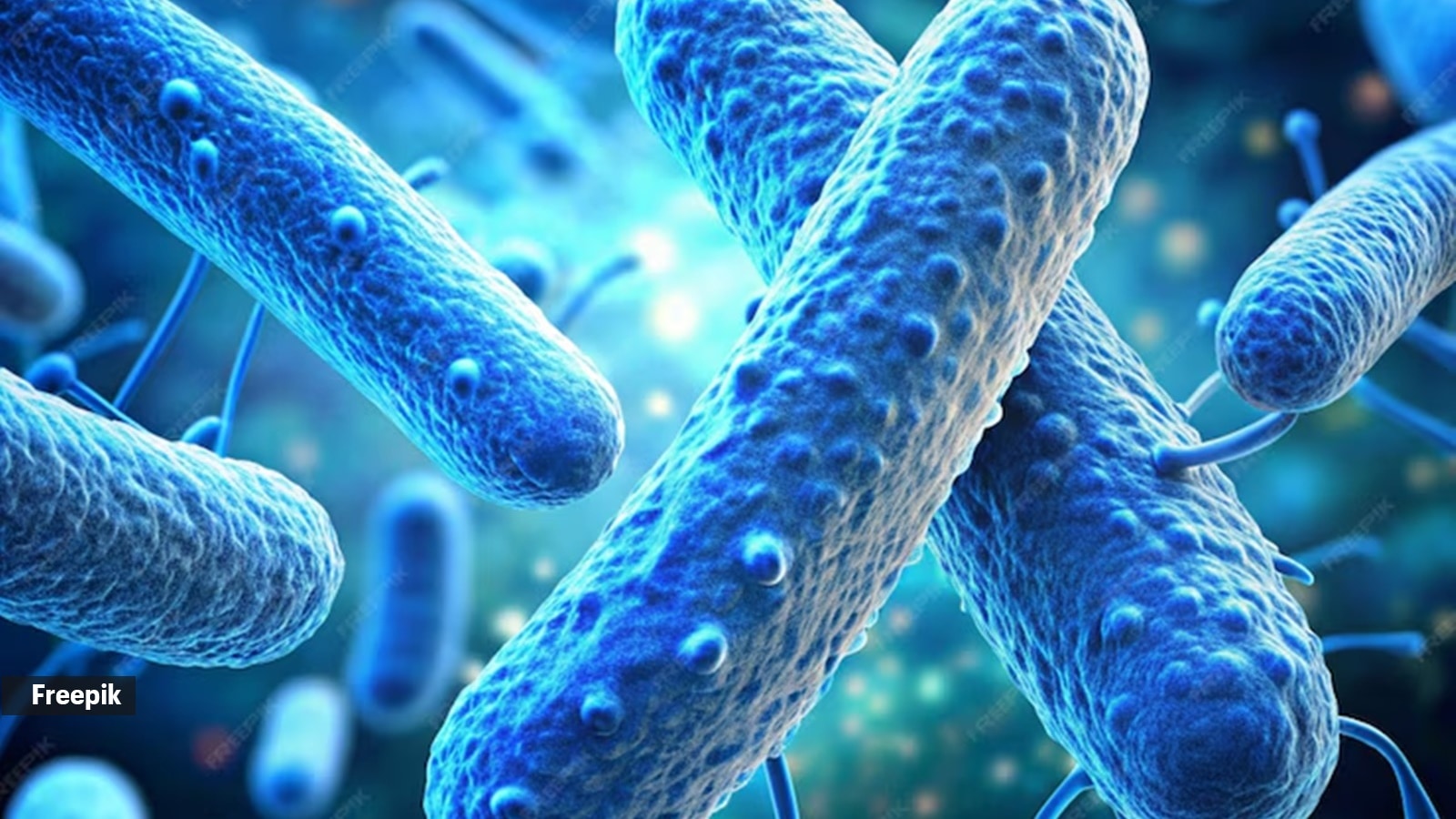 The updated regulations also include prohibiting antibiotics in honey production (Source: Freepik)
India’s food safety authority has introduced stricter norms to control antibiotic residues in food products like meat, milk, poultry, eggs, and aquaculture, aiming to tackle the critical issue of antimicrobial resistance (AMR).
The new regulations from the Food Safety and Standards Authority of India (FSSAI) lower permissible levels of antibiotic residues and expand the list of drugs under surveillance. The changes will take effect on April 1, 2025.
“If enforced strictly, the regulations will ensure safer food products for consumers by setting stricter residue and contaminant limits across a variety of food items and help in dealing with antimicrobial resistance,” said George Cheriyan, working president of the Consumers Protection Association (CPA), according to a report by Economic Times (ET).
The report added that the updated regulations also prohibit antibiotics in honey production and reset contamination limits for chemicals like ochratoxin A and deoxynivalenol in wheat, wheat bran, barley, rye, and coffee.
This move is intended to limit the spread of “superbugs” — drug-resistant bacteria and fungi resulting from the misuse of antibiotics in agriculture and farming, as mentioned in the report. Cheriyan explained, “Using antibiotics as growth promoters is resulting in the development of antibiotic-resistant strains and the release of antibiotic-resistant bacteria in the environment.”
Dr Palleti Siva Karthik Reddy, consultant physician at Koshys Hospital, says, “The implementation of stricter antibiotic residue limits in food is a significant public health intervention aimed at curbing the rising threat of antimicrobial resistance (AMR). AMR occurs when bacteria, viruses, fungi, and parasites evolve and no longer respond to antibiotics, making infections harder to treat and increasing the risk of disease spread, severe illness, and death.”
A primary driver of AMR is the overuse and misuse of antibiotics, he adds, not only in human medicine but also in agriculture and food production. “By limiting the presence of antibiotic residues in food, FSSAI aims to reduce the inadvertent consumption of antibiotics through the diet, which can lead to the development of resistant bacteria in humans.”
 Prohibiting the use of antibiotics as growth promoters can substantially reduce the risk of developing antibiotic-resistant bacteria in the environment. (Source: Freepik)
“Enforcing stricter antibiotic residue limits comes with numerous challenges, especially in a country as agriculturally diverse as India,” says Dr Reddy, adding that one major hurdle is the lack of uniform monitoring and testing infrastructure. “Many small-scale farmers and food producers may not have the resources or knowledge to comply with these new regulations. In addition, ensuring compliance across decentralised food supply chains, especially in rural areas, poses logistical difficulties.”
He says that educating farmers and food producers about the long-term benefits of reducing antibiotic use is another challenge. Many farmers have historically relied on antibiotics as growth promoters or preventive measures for livestock health. “Shifting this paradigm will require extensive awareness campaigns, training programs, and financial incentives.”
To address these challenges, Dr Reddy believes that a “multi-faceted approach is needed.” Investments in state-of-the-art testing facilities and the development of a comprehensive surveillance system for antibiotic residues are essential, he mentions. “The government could also collaborate with international agencies to adopt best practices. Moreover, creating a system of rewards for compliant producers, such as access to premium markets or subsidies, could incentivise adherence to the new regulations.”
Dr Reddy notes, “Yes, prohibiting the use of antibiotics as growth promoters can substantially reduce the risk of developing antibiotic-resistant bacteria in the environment. When antibiotics are used extensively in agriculture, not only do they promote resistance in animal pathogens, but they also contribute to environmental contamination through the excretion of antibiotic residues in animal waste. These residues can seep into soil and water sources, creating “hotspots” for the evolution and spread of resistant bacteria.”
Evidence from countries that have already implemented bans on antibiotics as growth promoters, such as Denmark and the Netherlands, shows promising results, he continues. By reducing antibiotic use, there is also a “downstream effect” on bacterial ecosystems in the environment. Microbes in the soil and water become less exposed to selective pressures that drive resistance. “However, it is critical to implement alternative strategies for livestock health, such as improved sanitation, vaccination programs, and the use of probiotics, to maintain animal productivity,” he concludes.
DISCLAIMER: This article is based on information from the public domain and/or the experts we spoke to. Always consult your health practitioner before starting any routine.