4 min read
📣 For more lifestyle news, click here to join our WhatsApp Channel and also follow us on Instagram
© IE Online Media Services Pvt Ltd



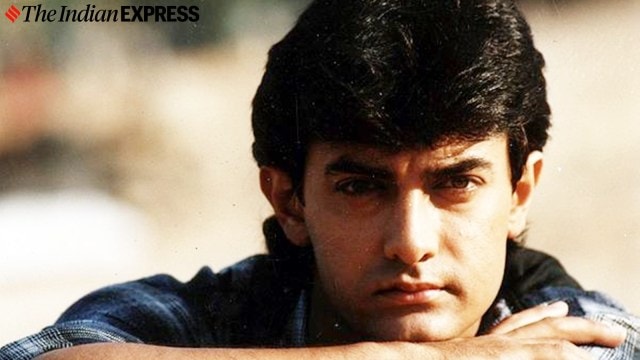 Aamir Khan reflects on what led to the failure of Laal Singh Chaddha (Source: Express archive photo)
After nearly two decades of back-to-back blockbuster hits, Aamir Khan’s winning streak came to an end with Thugs of Hindostan (2018) and Laal Singh Chaddha (2022).
In a candid chat with Komal Nahta on his YouTube show Game Changers, the actor reflected on the setbacks and admitted how his own mindset contributed to the outcome. “Main overconfident ho gaya. Meri itni filmein ek ke baad ek hit chali. Mujhe laga tha ki itna toh kar hi legi. Woh galat kiya maine (I became overconfident. So many of my films were hits one after another. I thought she would definitely manage that much. That was my mistake),” Aamir confessed.
The actor, whose career included hits like 3 Idiots, PK, Ghajini, and Dangal, revealed that he had always used a personal “economic filter” when producing films. The idea was simple: a film should never cause financial loss, even if it didn’t break records. “Instead of focusing on how much it can earn, I focus on the fact that the film should not result in any losses,” he explained. However, that calculation was set aside with Laal Singh Chaddha.
Breaking down the financial misstep, Aamir shared, “When you know your film will earn you ₹120 crore, you can keep your budget up to ₹80 crore, maximum. Ideally, it should have been between ₹50-60 crore. However, we ended up spending ₹200 crore.” This, he admitted, was a major mistake driven by overconfidence. “Ek toh filter nahi lagaya, doosra hum log ko problem aa gaye the, Covid aa gaya tha beech mein toh uspe bahut humara loss hua, because maine payments stop nahi kiye the. As a producer mujhe laga ki jo workers hain unka ghar bhi chalna chahiye. Usse humara cost badh gaya tha (First, we didn’t put any filters, and second, we ran into problems, Covid came in between, so we faced a big loss because I hadn’t stopped the payments. As a producer, I felt that the workers’ households should keep running too. That increased our costs).”
While Aamir’s reflections are about the film industry, the underlying lessons about overconfidence, miscalculating risks, and ignoring past safeguards also apply to careers, businesses, and personal decisions.
Neha Cadabam, senior psychologist and executive director, Cadabam’s Hospitals, tells indianexpress.com, “Repeated success often creates a sense of invulnerability. Psychologically, it can trigger what we call the ‘illusion of control,’ where individuals begin to overestimate their ability to influence outcomes. There is also a tendency to selectively remember wins while minimising past failures, which reinforces inflated confidence. This state of mind clouds judgement because decision-making shifts from careful evaluation to assumptions of automatic success.”
One of the most effective filters is structured reflection. “Before committing to a decision, individuals should pause and deliberately consider potential downsides as carefully as the upsides. Building a habit of seeking diverse perspectives also acts as a safeguard, since external viewpoints can highlight blind spots that personal confidence may overlook,” explains Cadabam.
Cadabam mentions that acknowledging the mistake without self-criticism allows individuals to shift from shame to learning. “Psychologically, it helps to reframe failure as feedback rather than as a reflection of personal inadequacy. On a practical level, analysing what went wrong and identifying the specific role overconfidence played is critical for preventing recurrence. Building resilience also requires re-engaging with small, achievable goals to restore confidence in one’s abilities,” concludes the expert.