© The Indian Express Pvt Ltd
 3 min read


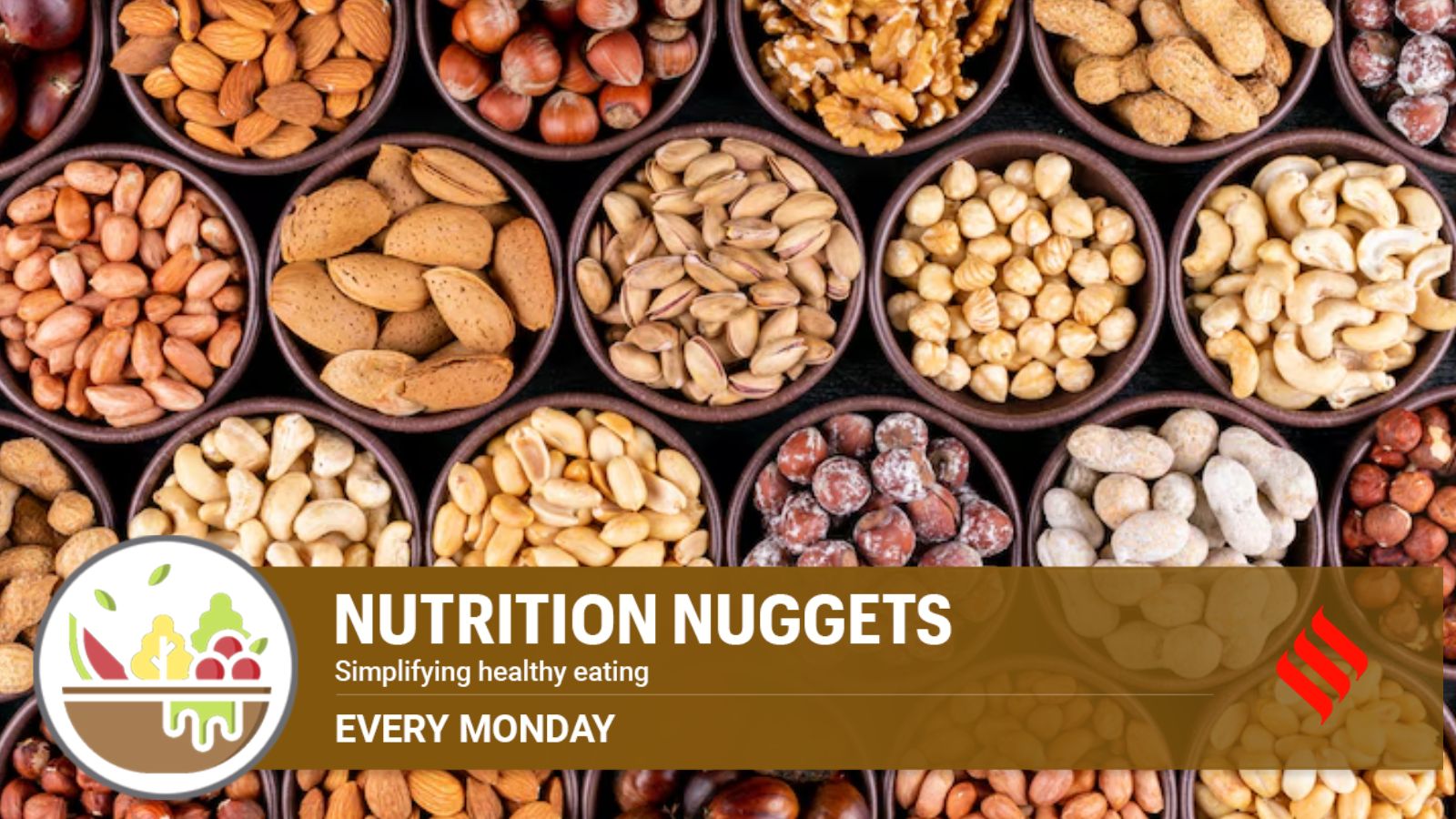 Dry fruits are simply fruits with the water removed—either by sun-drying or other methods. (Source: Freepik)
Snacking has a bad reputation for ruining diets, but if you pick the right foods, it can actually keep you energized and healthy. One of the smartest ways to snack is by choosing dry fruits. They’re packed with nutrients and super easy to carry. The key, though, is to enjoy them in the right amount and at the right time.
Dry fruits are simply fruits with the water removed—either by sun-drying or other methods. This concentrates their nutrients. They’re full of fibre, vitamins, minerals and antioxidants. Unlike chips or cookies, which are high fat and high sugar, dry fruits support digestion, boost energy and help keep your heart and brain healthy.
I would begin with almonds. They’re full of vitamin E, magnesium and protein, which are great for the brain, heart and skin. Walnuts are rich in Omega-3 fats and are good for brain and heart health. They also help fight inflammation. Cashews provide iron, zinc and magnesium and are good for bones and immunity. Pistachios are low in calories but high in protein and can support weight control and eye health. Naturally sweet and packed with iron and fibre, raisins support digestion and help prevent anaemia.
Dates are a quick energy booster with potassium, fibre and natural sugars—perfect for mid-morning slumps. Figs are high in calcium and fibre that help with digestion and bone strength.
Dry fruits are nutritious but they’re also high in calories. A little goes a long way. Stick to about 30 grams per day — that’s roughly a small handful. Here’s a simple daily guide:
Almonds: 5–7 pieces
Walnuts: 2–3 halves
Cashews: 4–5 pieces
Pistachios: 8–10 pieces
Raisins: 1 tablespoon
Dates: 1–2 pieces
Figs: 1–2 pieces
You can mix and match to keep it interesting, just stay mindful of portions.
Morning (empty stomach): Soaked almonds or dates help boost metabolism. Soaking also makes almonds easier to digest.
Mid-morning (10–11 AM): A few walnuts and figs can help keep your energy up.
Afternoon (3–4 PM): This is when cravings hit. A few cashews or pistachios can keep you full and prevent overeating later.
Post-workout: Dates and raisins can quickly refill your energy and electrolytes.
Try to avoid dry fruits late at night—they’re energy-dense and might disturb your sleep or digestion.
Stay away from dry fruits that are candied or sugar-coated. Always choose the natural, unsweetened versions. Mind your portions, so use a small bowl instead of eating straight from the packet. Soaking almonds, figs, or raisins overnight improves their digestion and nutrient absorption. Pair dry fruits with protein-rich foods like yogurt or a boiled egg to keep you full longer.
(Narang is nutritionist, Apollo Hospital, Delhi)