© The Indian Express Pvt Ltd
 4 min read


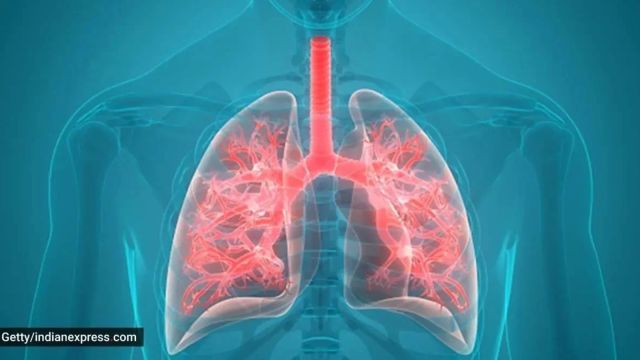 Pneumococcal infections often cause pneumonia (lung infection), meningitis (brain and spinal cord lining infection), and sepsis (bloodstream infections).
As India heads into yet another season of rising respiratory infections, the threat of pneumococcal disease, caused by the bacteria Streptococcus pneumoniae, feels more real than ever. Cities like Delhi are already seeing an uptick in cough, fever and breathing problems. Add persistent air pollution, unpredictable weather, and crowded living spaces, and it becomes clear how vulnerable our communities are. Older adults and people living with chronic health conditions feel this impact even more.
Among these pressing concerns, pneumococcal disease continues to be a leading cause of hospitalization and mortality among adults, especially those over 50 years of age and those living with chronic conditions like diabetes mellitus, heart disease, chronic obstructive pulmonary disease (COPD), and asthma. I remember one of my patients who required hospitalisation every winter due to worsening of his COPD symptoms and flare-ups. However, for the past two years, he has been regularly vaccinated against both seasonal flu and pneumococcal disease. Remarkably, he hasn’t been hospitalized in the last two years. Every year in September or October, he diligently enquires about the availability of updated flu vaccines. Patients do find vaccines helpful, especially when they have underlying comorbidities like COPD or chronic heart disease.
All those who have a compromised immune system, underlying COPD, heart failure, chronic kidney disease. The elderly, especially those over 60 should take the shot although some guidelines even say people over 50 qualify. Young people who are otherwise healthy and have no underlying immunocompromised state, don’t need the pneumococcal vaccine as of now.
We also know that viruses mutate, as seen with COVID-19 and influenza. Therefore, it is important to administer vaccines that are updated to target current circulating strains. These vaccines play a role in providing protection against these evolving viruses, which, due to mutations, can sometimes cause more severe disease — particularly in individuals with underlying comorbidities or the elderly.
Pneumococcal infections often cause pneumonia (lung infection), meningitis (brain and spinal cord lining infection), and sepsis (bloodstream infections).
Current Indian Consensus Guidelines recommend a single dose of PCV20 for all adults 50 years and older. PCV20 is recommended for adults aged between 18 and 49 who have at-risk or high-risk conditions.
As per a 2023 study published in the Journal of Clinical Infectious Diseases, less than two per cent of the Indian adult population gets vaccinated with essential vaccines such as influenza, pneumococcal, hepatitis B, and typhoid. This is because of inadequate awareness – people and healthcare providers both have underlying misconceptions and limited knowhow on adult immunization. Vaccine access is limited because adult immunisation is not routinely integrated into public health programmes. There is some vaccine hesitancy as proactive adult vaccination is seen as ‘good to do’ and not ‘must do.’ Besides, out-of-pocket vaccination expenses deter many adults from seeking immunisation.
India bears approximately 23% of the global burden of community-acquired pneumonia (CAP), as reported by the Journal of the Association of Physicians of India. Pneumococcal disease is not only a threat to health but a cause of significant economic and emotional distress.
Given our pollution load, it’s also crucial for Indians to understand how pollution impacts respiratory health and take proactive steps — such as masking on high-AQI days, using air purifiers indoors, and staying updated on vaccines that protect against pollution-aggravated diseases.
(Dr Guleria is Chairman of the Institute of Internal Medicine, Respiratory and Sleep Medicine, Medanta, Gurugram, and Director of Medanta Medical School)