The BJP has taken up the issue of cultivation rights of adivasis and tribals in forest areas in Telangana, and resolved to stage protests and take out motorcycle rallies in their support. BJP MP from Adilabad, Soyam Bapu Rao, has said he would lead protests in the district and that BJP leaders and cadre would till “podu”, or shifting cultivation, lands to defy the government.
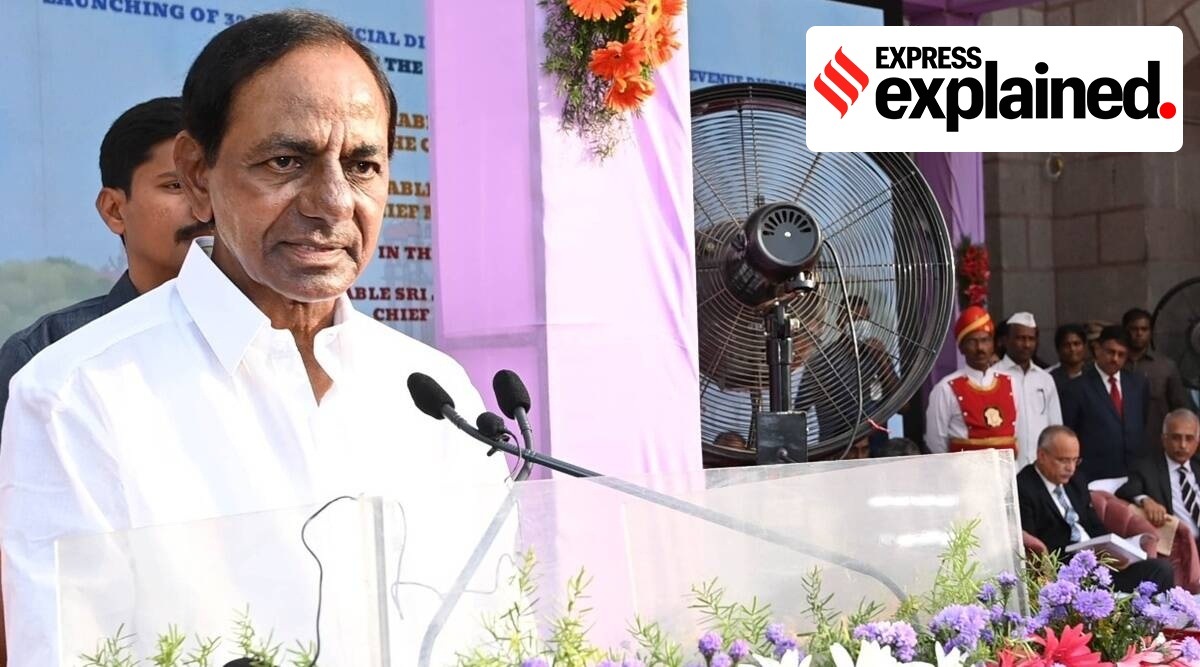
The Telangana government had decided in October 2021 to move landless, non-tribal farmers engaged in shifting cultivation inside forests to peripheral areas in an effort to combat deforestation. Chief Minister K Chandrashekar Rao had said that all steps would be taken to ensure that forest land was not encroached upon. He had also said that the rights and livelihoods of traditional forest dwellers would be protected.

Telangana BJP president Bandi Sanjay Kumar has accused the Chief Minister of having gone back on his promise to resolve the issue. Amid reports of skirmishes within the forest in Adilabad district recently, Kumar has alleged that forest officials were harassing tribal people who were trying to grow crops for food.
State Forest Minister A Indrakaran Reddy has said that the government is not against the traditional ways of tribal life, but is cracking down on outsiders who have been venturing into the forests and encroaching on protected land.
What is the ‘podu’ land issue?
The Telangana government last year moved against the encroachment of forest lands by non-tribals, who it said were indulging in the practice of shifting agriculture (podu). Several political leaders have expressed concern over shifting agriculture — in which a portion of land is cleared to raise crops in a particular season before the cultivators move to another location the next season, and to a third area after that, thus progressively degrading large areas of the forest.
To stop this deforestation, the government wants to move out cultivators from deep inside forests to the periphery by allotting them land for cultivation. Chief Minister Rao had assured the state Legislative Assembly last year that the government would launch a drive to protect the forests and remove the encroachers.
But what will happen to the tribals?
Tribal farmers who have been traditionally cultivating for decades would not be affected by this drive against illegal encroachers, the government has said. In fact, land ownership titles have been given to tribals; officials said that more than 3 lakh acres have been allocated to tribal farmers statewide.
Story continues below this ad
And what about non-tribal farmers?
These farmers can apply to the state government to allocate them land outside the forests. Those who are moved out of the forests would be given land ownership certificates, power and water supplies, Rythu Bandhu benefits (a welfare programme launched by the state government to support farmers’ investment for two crops in a year), and farm insurance schemes.
The government had said that a survey would be carried out to identify encroached lands and, once the encroaching farmers are moved out, forest protection committees would be set up to monitor the situation.
What is the status of the government’s move?
The government had formed a committee headed by Chief Secretary Somesh Kumar, which invited applications from podu farmers for land ownership titles and allocation of land outside forest areas if they wanted. Scrutiny committees were formed at the village, mandal, and district levels to oversee the process. However, the process was quickly overwhelmed, as more than 1 lakh applications laying claim to more than 7 lakh acres of forest land were received.
According to Forest Minister Reddy, the process of scrutinising the applications, identifying the lands of tribals and non-tribals, was ongoing, and it would take some time to issue them land ownership documents. “The state government does not have any problem with the original tribals and adivasis who have always lived in the forests. However, there have been encroachments by non-tribals. We have assured people that anyone who wishes to give up podu farming and move out of the forest would be given land for free, along with additional benefits,’’ he said.


 5 min read