4 min read


© The Indian Express Pvt Ltd



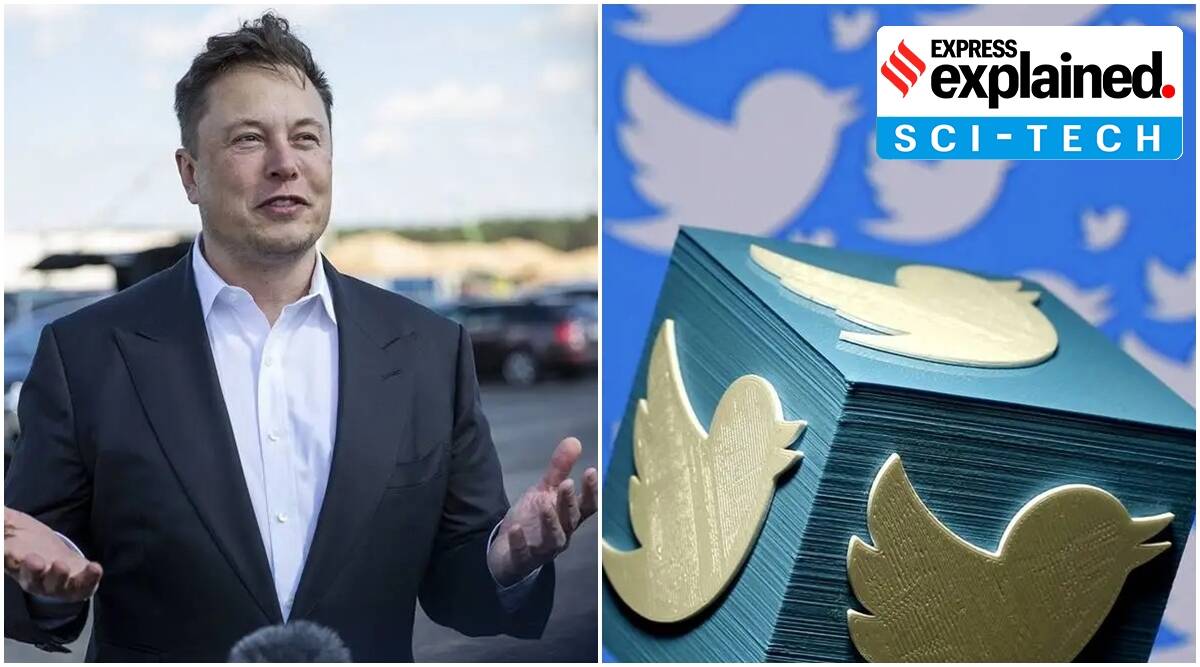 Twitter has filed a lawsuit against Elon Musk over retracting his $44 billion bid to buy the company.
 Twitter’s high-stakes legal battle against some of the Indian government’s content blocking orders is now under spotlight in another high-profile court case — that of the company’s lawsuit against Tesla CEO Elon Musk over retracting his $44 billion bid to buy the company. Musk has accused Twitter of hiding its lawsuit in India from him and that its actions might jeopardise its business in the country.
What is the specific India reference in the Musk legal challenge?
In his counterclaims against Twitter’s lawsuit, Musk has said that the company’s decision to challenge the Ministry of Electronics and IT’s (MeitY’s) blocking orders was a “departure from the ordinary course” since it has previously blocked “pro-Ukrainian accounts for the Russian government”. Musk said that while he supports free speech, Twitter should follow the laws of the countries in which it operates. Musk said that the social media platform did not apprise him of its lawsuit against the Indian Government, thereby putting the company’s third largest market “at risk”.
Twitter, in response, has stated that its actions in India are in line with its “global practice” of challenging government requests or laws if it believes that such requests are not “properly scoped under local law, are procedurally deficient, or as necessary to defend its users’ rights, including freedom of expression”. The company had filed a lawsuit against the MeitY before the Karnataka High Court last month challenging a handful of the more than 1,400 blocking orders it had received.
“If it (Twitter) receives a valid and appropriately scoped request from an authorised entity, it may withhold access to certain content in the specific jurisdiction that has issued the valid legal demand or where the content has been found to violate local laws, but that it routinely pushes for limitations on, objects to, or otherwise challenges government requests or laws where such requests are not authorised or properly scoped under local law, are procedurally deficient, or as necessary to defend its users’ rights,” the company said in response to Musk’s counterclaims.
These submissions were made by Twitter in Delaware’s Court of Chancery where it has sued Musk for wanting to terminate his deal of buying the company. Last month, Musk had said that he wanted to terminate the deal because Twitter was in “material breach” of their agreement and had made “false and misleading” statements during negotiations. The billionaire had agreed to buy the company for $44 billion in April.
Musk has also said that he was pulling out because Twitter fired senior executives and a third of its talent acquisition team, breaching Twitter’s obligation to “preserve substantially intact the material components of its current business organisation.”
What is Twitter’s legal case in India?
In its lawsuit against the Indian government’s blocking orders, Twitter has told the Karnataka High Court that “increasingly” MeitY has been issuing orders to block entire accounts without informing the company the specific tweets made by these accounts that call for their blocking. “Several of the URLs contain political and journalistic content. Blocking of such information is a gross violation of the freedom of speech guaranteed to citizen-users of the platform,” the company has said in its petition.