4 min read


© The Indian Express Pvt Ltd



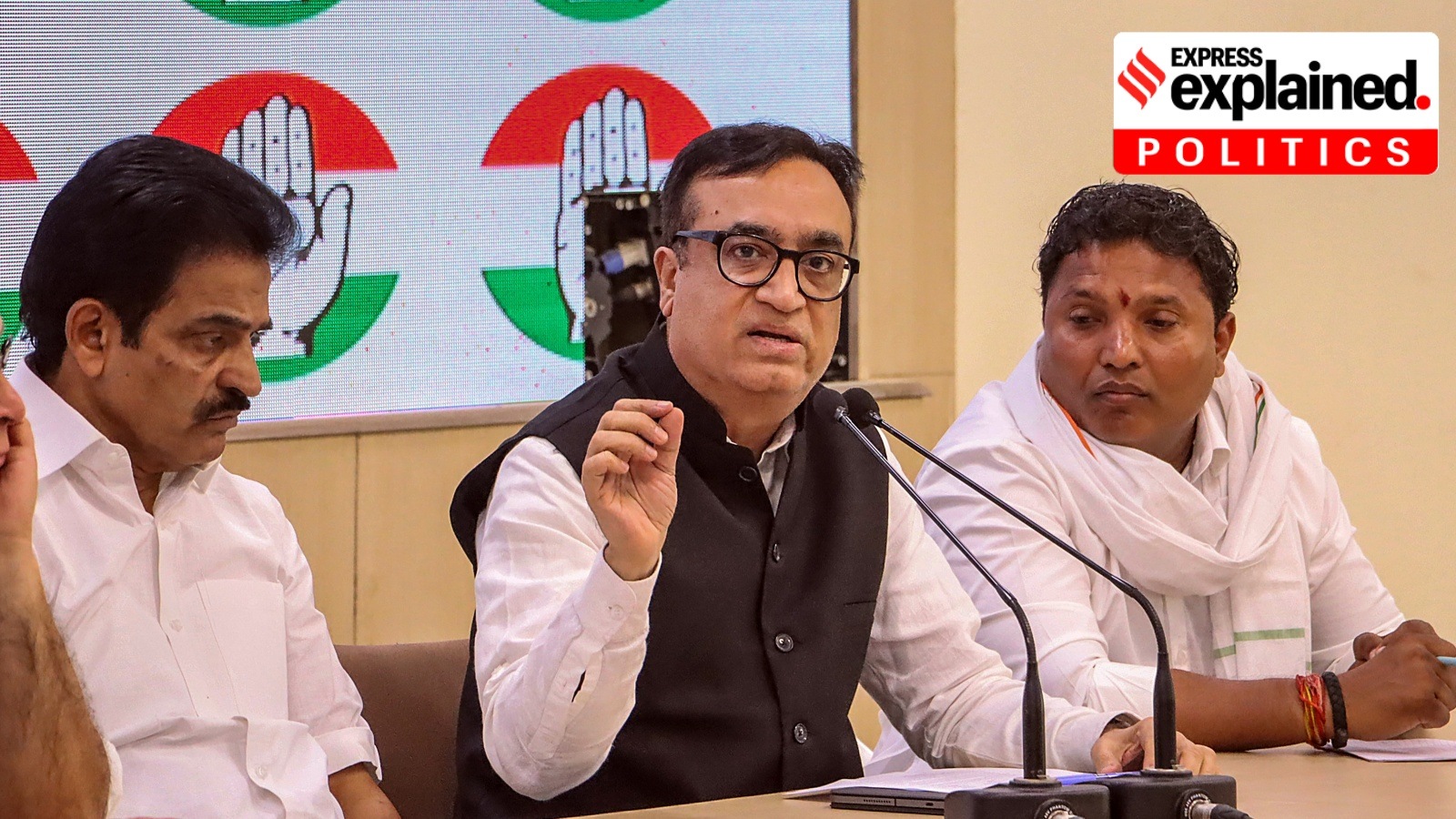 Congress leaders Ajay Maken, KC Venugopal and other during a press conference, at AICC Headquarters in New Delhi, Thursday, Feb. 22, 2024. (PTI Photo)
 Earlier this week, the Congress party alleged that the Income Tax Department instructed banks to transfer over Rs. 65 crore from the accounts of the Congress, the Youth Congress (IYC) and the National Students’ Union of India (NSUI). Terming it “economic terrorism”, Congress treasurer Ajay Maken said the move came even as the party has its challenge of a Rs. 210 crore tax demand pending before the Income Tax Appellate Tribunal.
Maken alleged that political parties do not normally pay income tax and that the Congress was being targeted by the central government. Here is what the law says on the matter.
The Income Tax Act, 1961, exempts political parties registered by the Election Commission under the Representation of the People Act, 1951 from paying income tax, with some conditions.
Section 13-A of the Act, which pertains to “special provision relating to incomes of political parties”, says any income under the heads of “income from house property”, “income from other sources”, “capital gains” and income from voluntary contributions “shall not be included in the total income of the previous year” of the party.
This is the case, provided that the party maintains books of account and other documents that would enable the Assessing Officer to “properly deduce its income”; maintains a record of all contributions above Rs. 20,000 each; has its accounts audited by an accountant; and does not accept any donation above Rs. 2,000 each in cash.
The exemption is valid as long as the treasurer of the party or any other person authorised by the party submits a declaration of its donations to the Election Commission before the due date of filing Income Tax returns.
Parties are required to file their returns if their total income, before taking into account the exemptions under Section 13A, is higher than the income tax exemption limit.
Section 139 (4B) says the chief executive officer of every political party, “if the total income in respect of which the political party is assessable (the total income for this purpose being computed under this Act without giving effect to the provisions of section 13A) exceeds the maximum amount which is not chargeable to income-tax, furnish a return of such income of the previous year in the prescribed form”.
What is the present case of the Congress?
Maken, the Congress’ treasurer, said on Wednesday (February 21) that the Income Tax Department had on Tuesday told the banks where the Congress, IYC and NSUI had their accounts to transfer Rs 65 crore. This, he said, was even as the Income Tax Appellate Tribunal was hearing the Congress’ challenge against a Rs 210 crore tax demand.
Yesterday, the Income Tax Department mandated banks to transfer over ₹65 crores from @INCIndia, IYC, and NSUI accounts to the government—₹5 crores from IYC and NSUI, and ₹60.25 crores from INC, marking a concerning move by the BJP Government.
Is it common for National… pic.twitter.com/eiObPTtO1D
— Ajay Maken (@ajaymaken) February 21, 2024
He said it was not common for political parties to pay income tax and that the BJP also did not pay income tax. The income tax demand, he said, pertained to the financial year 2018-2019. He said the party had received Rs. 142.83 crore in donations that year and of this amount, Rs. 14.49 lakh was received in cash. He said this was collected from Congress MLAs and MPs, who contributed one month’s salary each.
Maken said the Income Tax Department had raised a demand of Rs.210 crore over just Rs. 14 lakh in cash donations. He said the party submitted its account details later on February 2, 2019, instead of the deadline of December 31, 2018. For this, he said an unprecedented demand, which included penalties of Rs. 210 crore, was raised. Maken alleged this was a move meant to hit the Congress financially just before the 2024 Lok Sabha elections. The matter now rests with the ITAT, which completed its hearing and reserved its order on Thursday.