4 min read
© The Indian Express Pvt Ltd



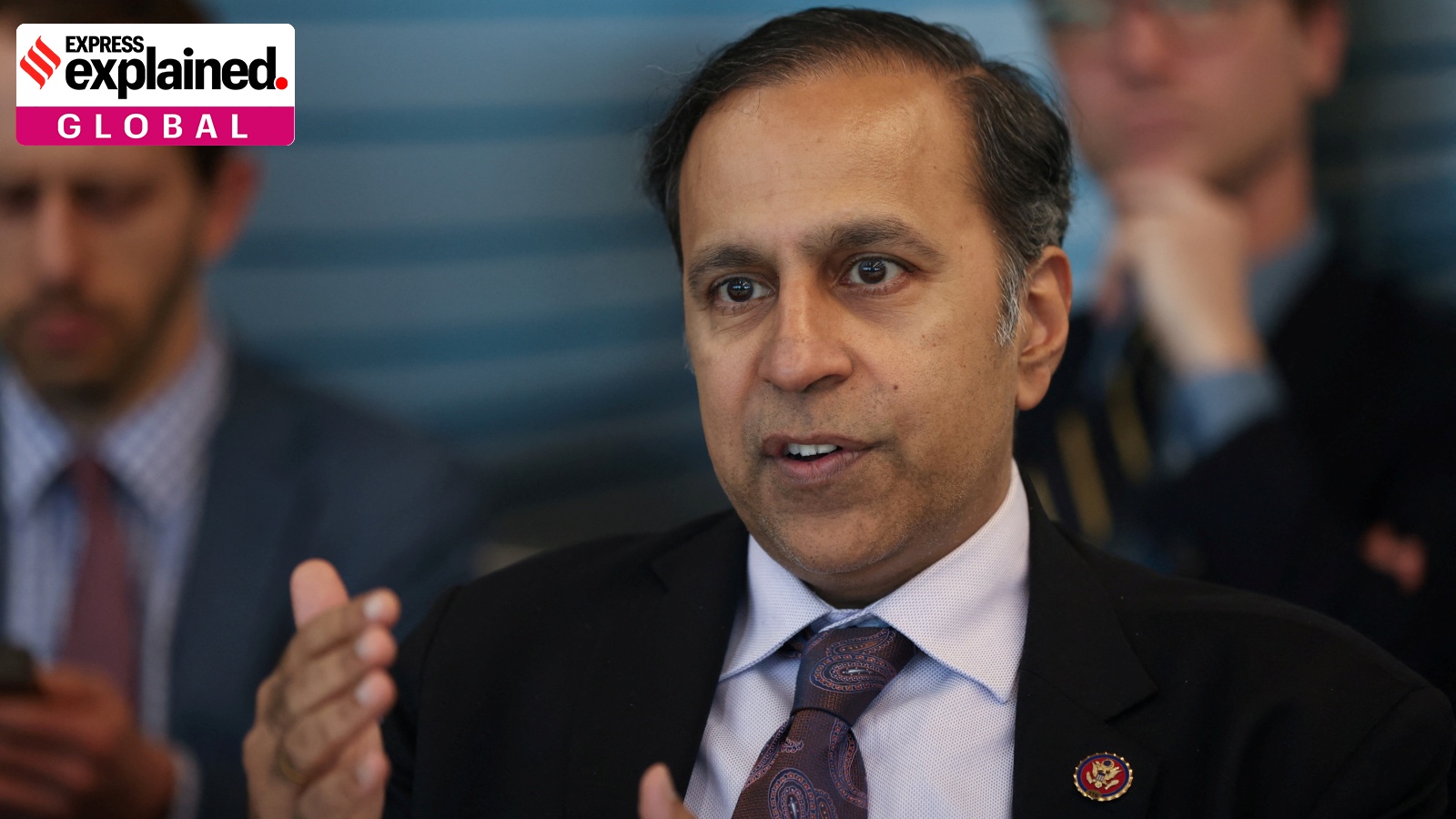 According US Congressman Raja Krishnamoorthi the HIRE Act would 'build the jobs and industries of tomorrow'. (Photo: Reuters)
Raja Krishnamoorthi, a Democratic Representative from Illinois, announced on November 26 the reintroduction of the High-Skilled Immigration Reform for Employment (HIRE) Act, which aims to double the number of H-1B visas available each year.
The development has come after US President Donald Trump, in September, imposed a $100,000 annual fee on H-1B visas in a bid to expand America’s protectionist stance from goods to the service sector.
Here is a look at what the HIRE Act would mean for Indian employees if it gets passed by the US Congress.
The main goal of the HIRE Act, according to Krishnamoorthi, is to strengthen America’s long-term economic and technological competitiveness. It looks to do so by doing two things. One, as mentioned before, would increase the number of H-1B visas available each year from 65,000 to 130,000. Also, the Act would remove the current cap, which is set at 20,000, on additional slots for H-1B visas available to those who have advanced US degrees.
Two, it would direct new funding to promote elementary and secondary school science, technology, engineering, and math (STEM) programs.
In a statement, Krishnamoorthi said, “To build the jobs and industries of tomorrow, America must stay at the forefront of innovation by strengthening our own workforce while continuing to welcome top talent from around the globe… The HIRE Act advances both goals by boosting STEM education in our elementary and secondary schools and by expanding the annual supply of H-1B visas from 65,000 to 130,000. By growing our domestic talent pipeline and ensuring employers can recruit the skilled workers they need, we can create good-paying jobs and secure America’s leadership in the technologies of the future.”
The HIRE Act has been supported by the ITServe Alliance, which is America’s largest association of IT services organisations.
Raghu Chittimalla, governing board chair of the ITServe Alliance, in a statement, said, “The HIRE Act is an important step toward modernising our high-skilled immigration system and ensuring that talented professionals can continue to contribute to America’s innovation economy.”
The H-1B program is designed to attract top talent from around the world to the US. It has allowed young workers from India, China, and elsewhere to take specialised jobs in fields like technology, engineering, and healthcare in the US, often after years of study.
Note that people born in India are the largest beneficiaries of the H-1B program. Data from the US government show that Indians account for more than 70% of all H-1B petitions approved each year since 2015. People born in China come a distant second, hovering at the 12-13% mark since 2018.
Between October 2022 and September 2023, 72 per cent of the nearly 4 lakh visas issued under the H-1B programme went to Indian nationals.
Therefore, if the HIRE Act is passed, it might help Indians get more jobs in the US at a time when the Trump administration is trying to push American businesses to hire American workers instead of foreigners. However, it remains to be seen if the Act can be passed in the US Congress.