Journalism of Courage



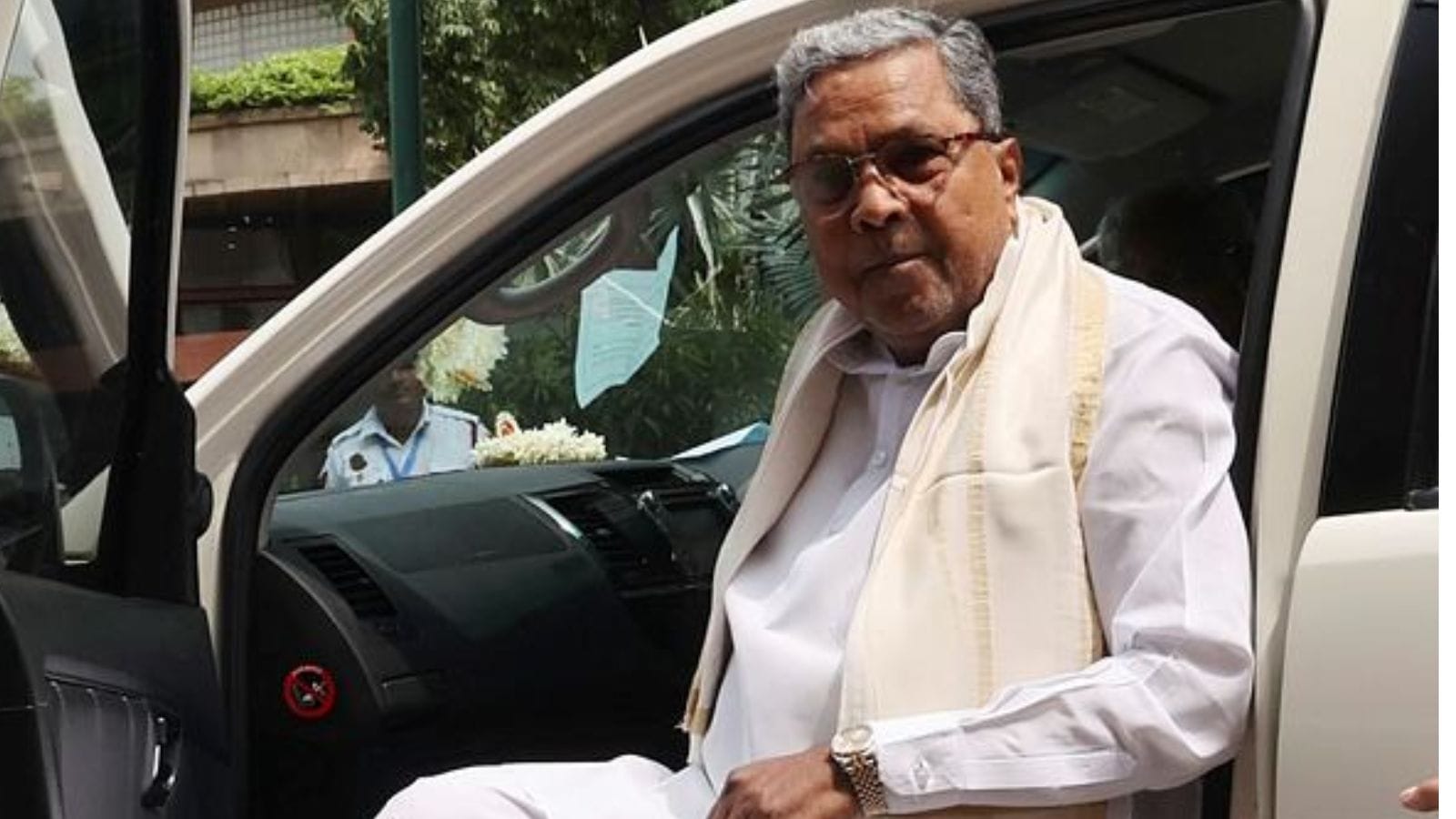 Chief Minister Siddaramaiah chaired a high-level meeting to address the problems created by microfinance companies while recovering loans. (Express Archive Photo/ Prem Nath Pandey)
Last week, Parvati, a widow from Karnataka’s Raichur district, sent her mangalsutra to Home Minister G Parameshwara after her husband died by suicide. Along with it was a petition seeking action against the staff of a microfinance company who harassed Sharanabasava, her husband, over loan repayment and drove him to suicide.
Following outrage over the incident, Chief Minister Siddaramaiah chaired a high-level meeting to address the problems created by microfinance companies while recovering loans. An ordinance to protect the interests of borrowers was subsequently announced by the chief minister’s office, leading to the announcement of criminal action against companies that harass borrowers. A law proposed by the central government was also highlighted in the meeting.
Microfinance is an umbrella term for various registered and unregistered bodies providing loans to individuals and groups, mostly at the rural level. Apart from lending money at higher interest rates, several microfinance institutions across the state have been accused of predatory lending and using coercive methods to recover loans.
“Goondas and rowdies are being used to recover the loans,” Siddaramaiah said, adding that borrowers face harassment because of forcible recoveries and there are instances of houses being locked up by lenders. While the Reserve Bank of India (RBI) allows microfinance companies to levy a maximum interest rate of 17.07 per cent, the chief minister pointed out that some companies were charging exorbitant rates ranging from 21-29 per cent. “There is no regulation,” he added, noting that complaints were largely against unregistered institutions.
Following the controversy, money lenders and pawn brokers have also come under the scanner for charging exorbitant interest rates.
Recognised institutions employ business correspondents in rural areas and follow the Fair Practice Code issued by the RBI. Apart from individuals, self-help groups are among the primary beneficiaries of loans offered by them.
Though exact details of the extent of loans disbursed by such institutions are unclear, the Microfinance Industry Network report of 2022-23 stated that 11 per cent of all loans disbursed by the sector in the country were in Karnataka. For the 2022-23 fiscal, around Rs 10,000 crore was disbursed as loans by institutions affiliated with the Network, an RBI-recognised body.
The report also noted that Karnataka featured among the top five states in loans outstanding, alongside Bihar, Tamil Nadu, Uttar Pradesh and Madhya Pradesh.
In Karnataka, there were 9.9 million clients in 2022, almost double the 4.3 million clients in 2013. The total loan outlay by these institutions in the state is expected to be around Rs 42,000 crore.
Among the key features proposed in the ordinance is a ban on microfinance institutions outsourcing loan recovery. Goondas elements are employed for recovery. The government thus hopes to reduce harassment by holding such institutions responsible in cases where borrowers are mistreated. Stringent action against harassers will also be part of the proposed ordinance.
The government plans to amend the Moneylenders and Pawnbrokers Acts to check usury. Existing laws will also be strengthened to protect borrowers, according to Home Minister G Parameshwara.
Following a meeting held on Monday, Revenue Minister Krishna Byre Gowda said that criminal complaints would be filed against microfinance companies that harass people over loan repayments. Directions were issued to district administrations to open helplines where complaints can be raised against companies hounding borrowers.
In December last year, the Department of Financial Services of the Ministry of Finance released a draft Bill to curb unregulated lending activities for stakeholder consultation. Titled Banning of Unregulated Lending Activities (BULA), the Bill proposes to ban all persons or entities not authorised by the RBI or other regulators from undertaking public business lending activity, including digital lending. Among the Bill’s provisions is a sentence of 3-10 years for lenders who harass borrowers or collect debts through illegal means.
Opposition leader R Ashoka has blamed the state government for the harassment by microfinance institutions. “If the state government had given loans, people would not have died by suicide,” he said at a news conference on Monday.
People are turning to microfinance institutions because allocations to various boards and corporations have been reduced by Rs 1,053 crore in the 2024-25 fiscal, the BJP leader alleged.

 5 min read