Journalism of Courage

At least three European nations -- Germany, Austria and Belgium -- announced new commitments for loss and damage, totalling a little more than 220 million euros.

The debate comes as rich nations of the world face criticism for failing to compensate poorer nations as promised so they can better adapt to warming temperatures.
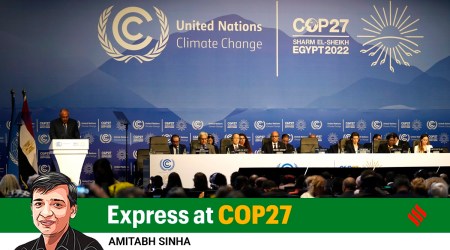
However, this was just the first step as it might be several years before money actually begins to flow in to compensate poorer countries for the damages they suffer due to climate disasters.

"A consumption-oriented lifestyle is not sustainable. And it does not help in achieving the climate change goals,” Environment Minister Bhupendra Yadav said after inaugurating India’s pavilion at COP27 at Egypt's Sharm el-Shaikh.

The issue of loss and damage, as it is referred to in the climate negotiations, was included in the formal main agenda of the climate conference for the first time ever, after being discussed in a separate track for years.
The warmest year on record so far has been 2016, when the global mean temperatures were measured to be about 1.28 degree Celsius higher than pre-industrial times. For 2022, the WMO estimates it to be about 1.15 degree Celsius higher than pre-industrial times.
The first of a series of annual reports on the impact of climate change made for mostly grim reading, but with an unexpected silver lining.
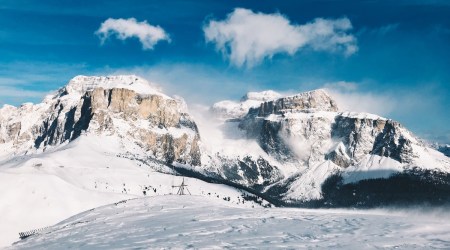
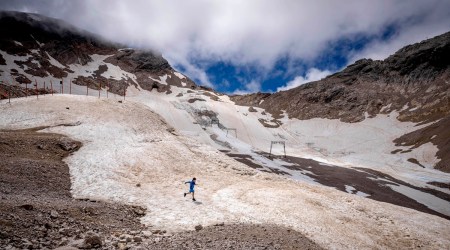
UNESCO recommends that given the inevitable further shrinking of many of these glaciers in the near future, local authorities should make glaciers a focus of policy.
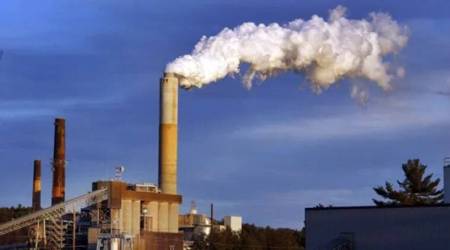
At last year’s COP 26 summit in Scotland, countries agreed they must immediately do more to prevent a dangerous rise in global temperatures.

Lula Da Silva’s previous two terms as Brazilian president were marked by efforts to overhaul global governance bodies such as the United Nations Security Council and to raise the profile of developing countries in world affairs.
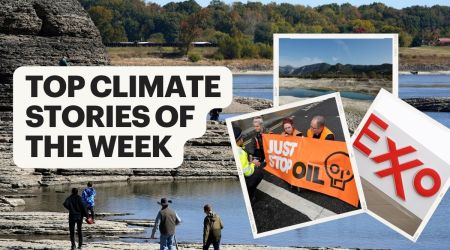
The past week has been filled with headlines from the UK, not just of political turmoil but also of paintings being defaced and luxury establishments being vandalised by a climate activist group.

Desperate to end complacency about the climate crisis and to pressure governments to stop the extraction and burning of fossil fuels, protesters said they had resorted to such high-profile tactics because little else has worked.
Here are the top 5 climate-related stories of this week.
Here are the top 5 climate-related stories of this week.
From the devastating effects of Hurricane Ian to two new studies on the impact of climate change on human life, here are the top climate stories of the week.

Record heat began smothering Europe in May and may have contributed to 11,000 excess deaths in France and 8,000 in Germany, according to estimates.
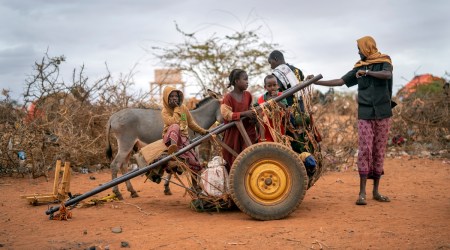
As the world is gripped by food insecurity, Somalia, a country of 15 million people shaking off its past as a failed state, can be considered the end of the line.

We also bring you the story of an outback town in Western Australia that the Australian government is trying to wipe off the face of the earth.
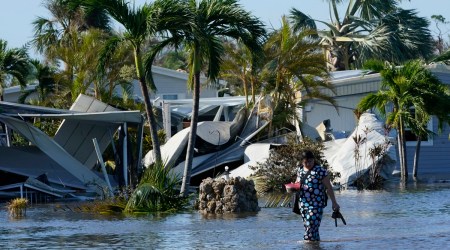
“We’ll see more storms like Ian.” Princeton's Gabriel Vecchi said that if the world is going to bounce back from disasters “we need to plan for wetter storms going forward, since global warming isn’t going to go away.”
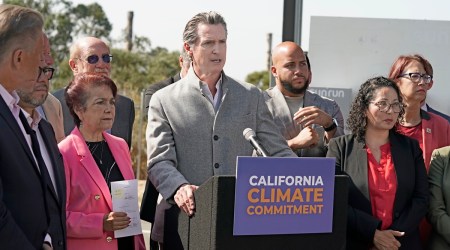
The new laws include proposals aimed at reducing exposure to gas and oil pollution in communities of colour, expanding clean energy jobs and accelerating the state's timeline for getting most of its electricity from renewable energy sources.

After weeks of concern over the wildfires in California, firefighters have reported major progress in containing the blaze this week. Here are the top climate change stories of this week.

The devastating floods in Pakistan remain the focus of this weekend, with over 1,200 people killed and thousands displaced as nearly one-third of the country went under water. Here are the top stories of the week.
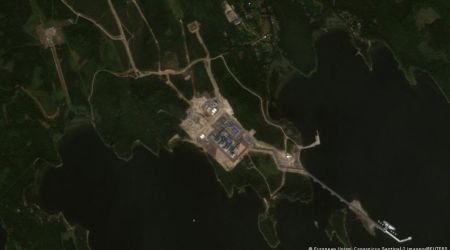
Flaring is generally a common practice near oil fields and processing plants across the world, with companies burning off gas that is generated as a byproduct during various processes involved in oil exploration and extraction.
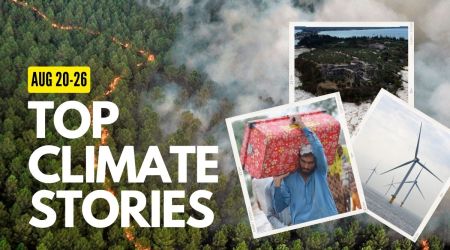
From California moving to phase out gas vehicles in the climate change fight to Italy’s worst drought in 70 years, here are the top climate stories from this week.
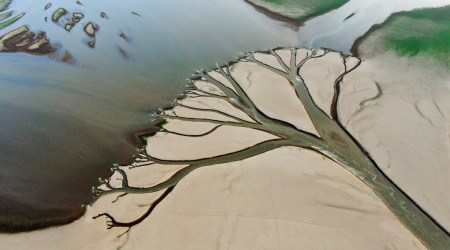
Major rivers across Europe are at their lowest levels in years, and climate change will only make things worse for aquatic ecosystems. But allowing nature to take back control can help fix some of the damage.