Journalism of Courage
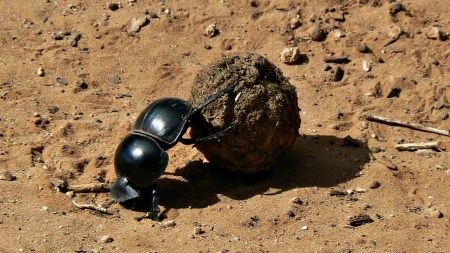
From towering elephants to pocket-sized beetles, strength shows up in unexpected places in the animal world

Animals that are active at night or in low light (nocturnal and crepuscular animals) need to be able to see when it’s dark.

From the deep-sea coelacanth to the ancient nautilus, these creatures provide a fascinating glimpse into prehistoric life.

This reptile has developed a unique and startling defence mechanism: it can squirt blood from the corners of its eyes to deter predators.
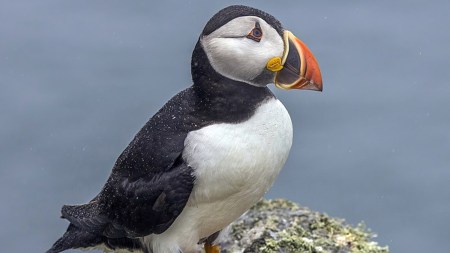
If you spot the colourful bird in winter, you will find the beak turning dull grey, while in spring, it is a vibrant orange.

Many pet treats are loaded with enticing flavours, preservatives, and additives, which can trigger behaviours in animals that resemble addiction.

Crocodile mating takes place almost entirely in the water, and it usually begins with a gentle courtship display

From birds that trick others into raising their young to spiders that perfume the air with false promises, nature is full of expert con artists

It’s easy to panic when you hear about a creature that can kill in minutes. But the truth is, the blue-ringed octopus doesn’t want to hurt humans.

In the darkest depths of the ocean, the eerie and elusive telescope fish thrives with alien-like eyes, extendable jaws, and a stealthy ambush game straight out of sci-fi.

Let’s take a closer look at the animals that could, and in some cases, have, swallowed humans whole

Reindeers have often been reported to behave erratically after consuming the red mushrooms they specially hunt for.

The changes are more prominent in males, whose “blueness” is directly related to their testosterone levels.
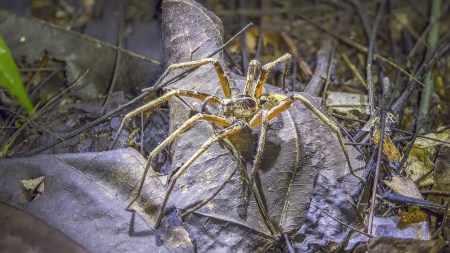
Deep inside caves, a few extraordinary animals have made them their only home
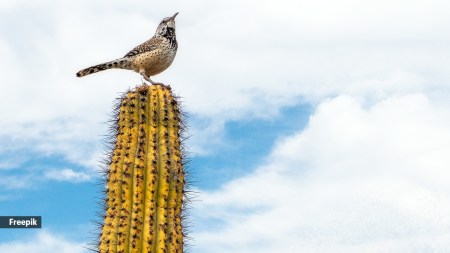
The bird essentially creates its own renewable food sources by depositing seeds that will mature into fruit-bearing plants.
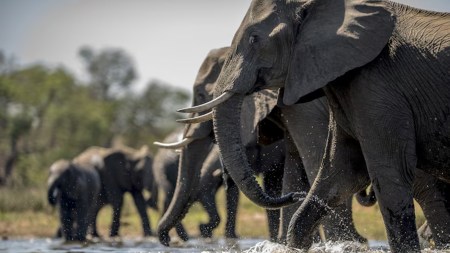
Grief, after all, might not just be a human burden, it could be a universal language of love and loss.
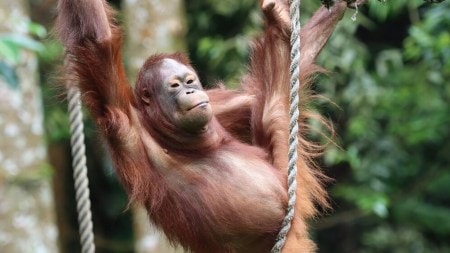
If you've ever heard a bird say “hello” or a whale mimic its trainer’s voice, you know how eerie — and oddly delightful — it can be.
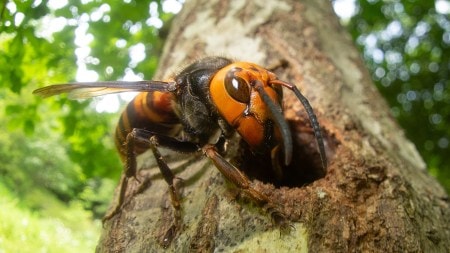
Scientifically known as Vespa mandarinia, the Asian giant hornet is native to parts of Asia, including Japan, China, Thailand, and South Korea, as well as the Russian Far East
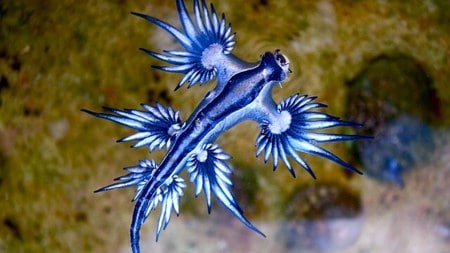
The closure, confirmed by Guardamar del Segura Mayor José Luis Sáez, was announced as a precautionary measure to protect residents and tourists from the dangerous marine creatures
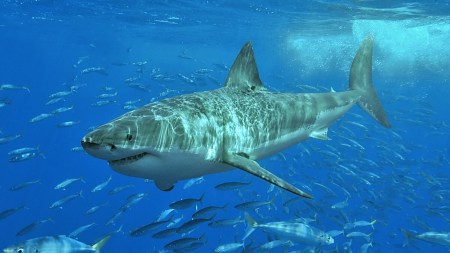
From the smallest bacteria to migratory birds and large mammals, it turns out that sensing the Earth’s magnetic field is far more common—and more diverse—than we ever imagined

According to Dr Kunal Dev Sharma, veterinary surgeon at MaxPetZ, New Delhi, several commonly owned breeds in India are genetically or behaviourally predisposed to overeating and obesity, often with severe health consequences.
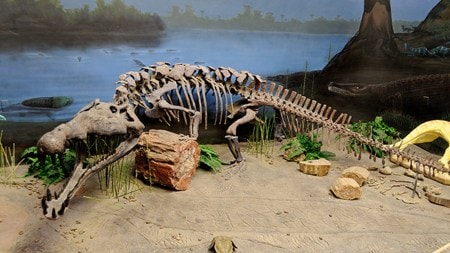
The fossil was found in Megha village, located within the vast and ancient Lathi Formation, a geological structure known to have supported life during the age of the dinosaurs
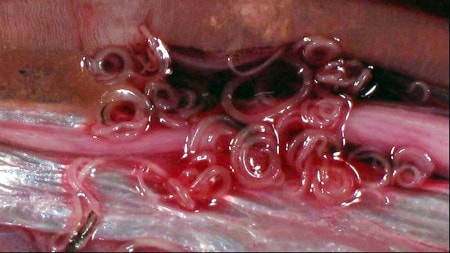
Some are downright terrifying, and a few might even make you sleep with the lights on

Despite being relocated multiple times after Professor Ueno's death, Hachi never abandoned his mission.
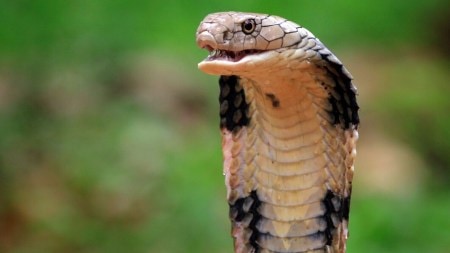
Cats are natural hunters, built for speed and precision. When a snake is on the scene, most cats don’t back down; they get very interested