Journalism of Courage
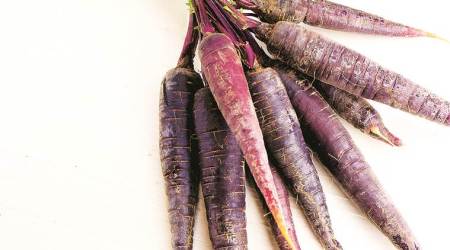
Kanji — the north-Indian drink made with the black carrots and helps digestion has a Turkish cousin.
What are you reading this Sunday?
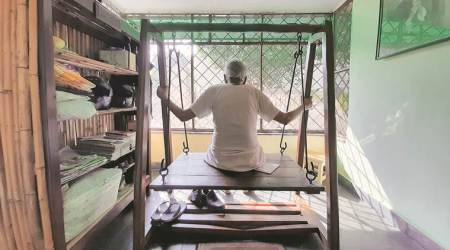
The pathbreaking Hindi writer and poet, who is now being discovered by English readers and award juries, on failing Hindi tests and writing to become a better human being.

The British writer on his latest novel, Live a Little, writing a central woman character for the first time, matters of age, and his fears about democracy.

A metal gate at the entrance of the Herbertstraße prohibits the entry for men under 18 and women. The sex workers don’t want women around as they see them as potential “competitors”. The barrier protects the sex workers from becoming a tourist attraction.

Carnatic vocalist T M Krishna on his new book, Sebastian and Sons, on mrdangam makers and steering through the tricky terrain of caste politics.
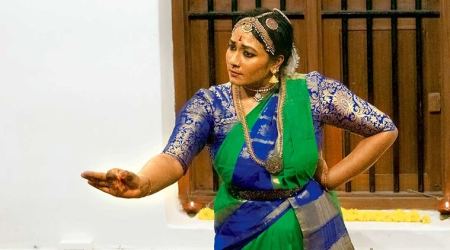
Nrithya Pillai, a Bharatanatyam dancer from the Isaivellalar community, tries to reclaim her lineage.
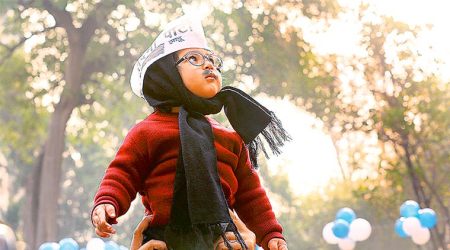
WhatsApp uncle worries about the future of Bharat Mata after ‘Hindutva’s defeat’ in Delhi.
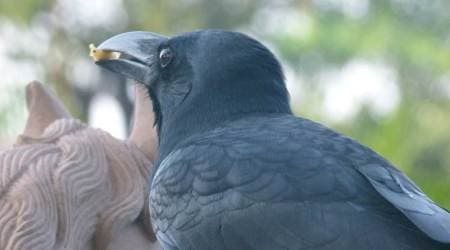
Part I of a series on what birds can teach us, Schooled by Avians.
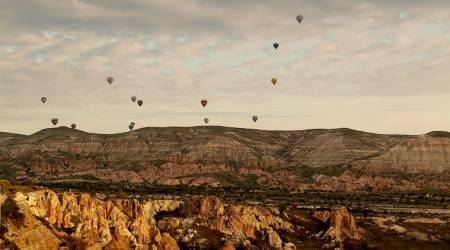
With lunar landscape, churches, open-air museums and surreal volcanic eruptions, the Turkish region holds one under a spell.
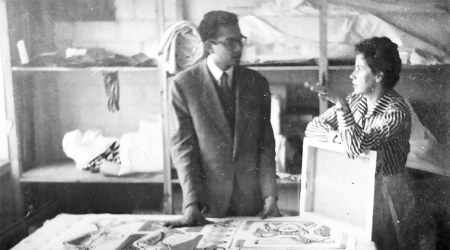
An exhibition on the designer showcases how he blurred the lines between art, craft and design and used block printing and calligraphy long before other Indian artists mad it fashionable to paint textiles
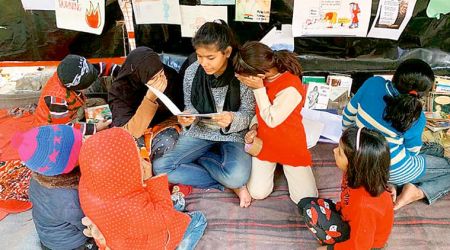
The numerous sit-in protests across India against the new citizenship law and the proposed NRC have seen the proliferation of public libraries and reading rooms at these sites.

Over the last decade, research in old plague pits in Europe and the UK has tied all three outbreaks to the same pathogen and pinned its origin to China, from where it spread by the Silk Route, and hitched rides on merchant ships.
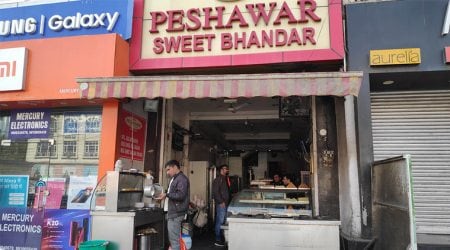
Peshwar Sweet Bhandar at Shankar Road, famous for its gulab jamun, recreates many recipes of its founder Chunni Lal Sahni, who had landed in Delhi as part of the sea of refugees flooding Delhi in 1947.
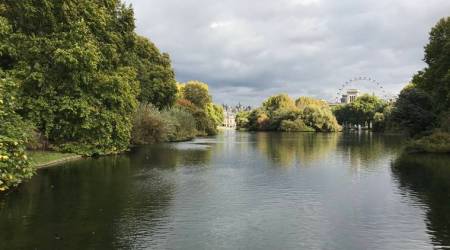
The oldest and most ornamental of Central London’s royal parks, it had been opened to the public by Charles II who would use it to entertain his guests and mistresses, most notably, the actress Nell Gwynn. It was at this time that the park also became notorious as a site of sexual assignations.

The sitar player on heartbreak, life after divorce, her new album and a first-time stage collaboration with sister Norah Jones in Pandit Ravi Shankar’s birth centenary.

A gentle nudge, a slight push or a small question to your family members can bring along small but steady changes.
What are you reading this Sunday?
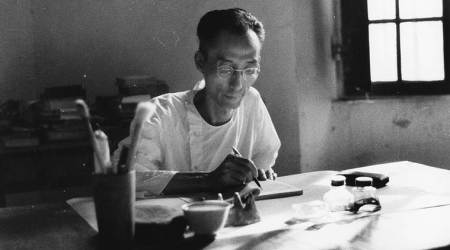
Hu Hsu, the only Chinese man at the Aurobindo Ashram in Puducherry, spent his life immersed in Indian philosophy and translated Gita, Upanishads and Aurobindo’s works.
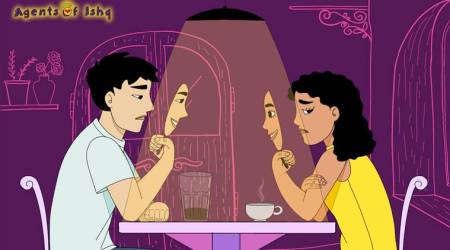
How do we respond to the loss of love and to the wounds inflicted by those who hate and hurt us?
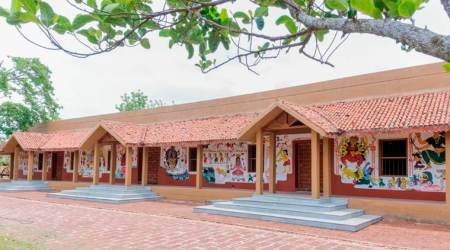
Kala Bhoomi in Bhubaneswar brings together the skills of Odisha’s diverse communities.
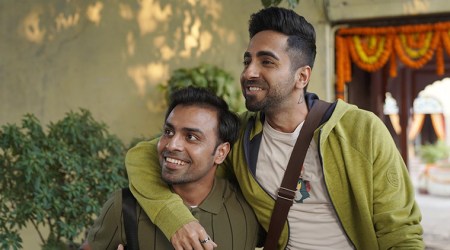
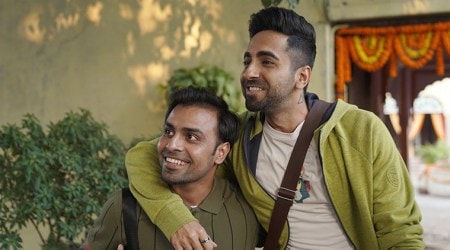
Ahead of the release of Shubh Mangal Zyada Saavdhan, a look at how the Hindi film industry is at last ready to break the mould, with love not derision.
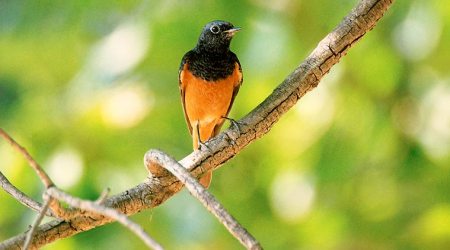
The black redstart stands out in the rude rabble of Delhi.
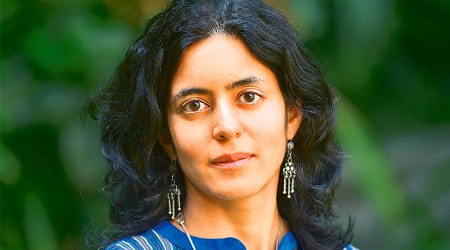
The historian on why modern concepts can’t be read into the past, history as battleground and her new book on a romanticised Mughal prince.
How MF Husain inducted the modern artist into the Progressive Artists Group