Journalism of Courage
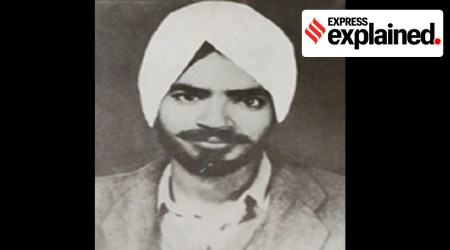
Isru, along with satyagrahis, participated in a march from Pune to Goa in 1955 at a time when the state was under Portugese colonial rule.
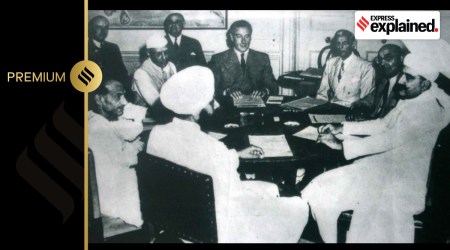
What were the major factors that led to the Partition of India, and how much can the Congress leadership be blamed? Why did the British withdraw from the country hastily? In an interview, Aditya Mukherjee, who taught Contemporary History at JNU for more than four decades, answers these questions and more.
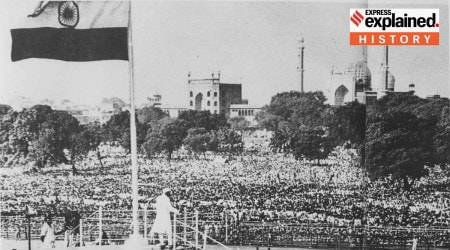
Every year on August 15, the Prime Minister of India hoists the tricolour and addresses the nation from Delhi’s historic Red Fort. Why was Red Fort chosen for this honour?
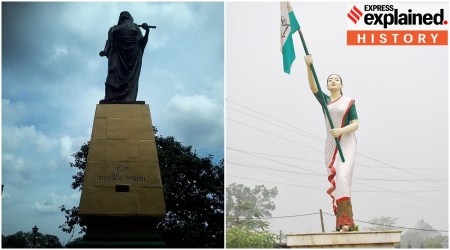
Matangini Hazra was 73 when she fell to British bullets, while Kanaklata Barua was only 17. Their stories are united by their fearlessness in standing up for freedom
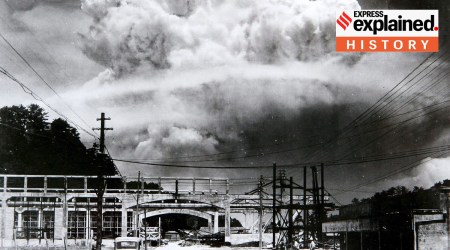
An atomic bomb was dropped over Nagasaki mere days after the catastrophic bombing of Hiroshima. Why? Was the first atomic bomb not enough? What did the bombing of Nagasaki achieve?
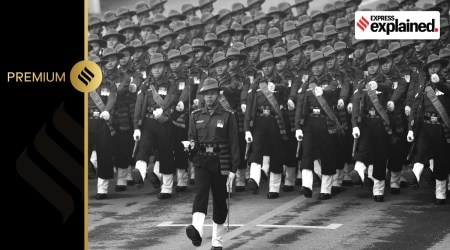
The country's oldest paramilitary force has a dual control structure — the administrative control of the force is with the MHA, while operational control is with the Indian Army. It has the job of maintaining law and order in the Northeast along with the Indian Army, and of guarding the Indo-Myanmar border.
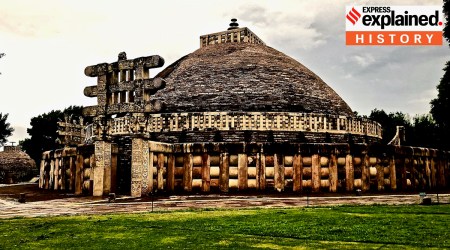
Samajwadi Party leader Swami Prasad Maurya, last week, called for an archaeological survey of Hindu temples, to determine whether they have been built over Buddhist structures. This happened in context of the ongoing Gyanvapi mosque issue.
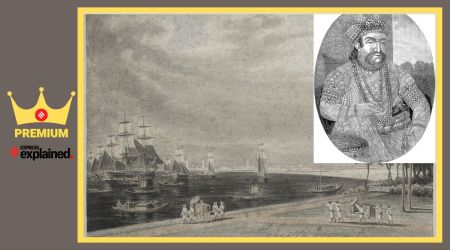
On the birth anniversary of the last nawab of Lucknow, a look at Wajid Ali Shah's life after the annexation of Awadh by the British.
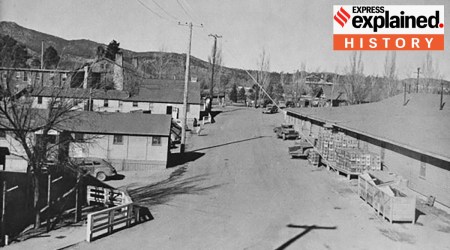
In 1942, the U.S. Army gave 32 Hispano families on the Pajarito Plateau 48 hours to leave their homes and land, in some cases at gunpoint, to build the lab that would create the world's first atomic bombs, according to relatives of those removed and a former lab employee.
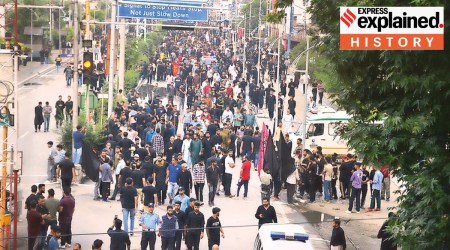
Shia Muslims around the world take out Ashura processions to commemorate the martyrdom of Imam Hussain, a grandson of the Prophet, who was killed in the Battle of Karbala (680 AD; 10 Muharram 61 AH) in present day Iraq.
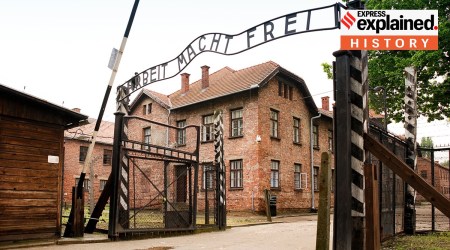
The Holocaust is one of the most traumatic episodes in modern history, which resulted in the death of around six million Jews living in Adolf Hitler’s Nazi regime.
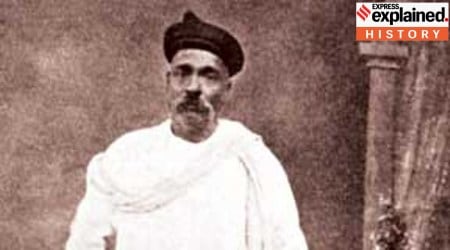
In what context did Tilak make his famous statement? What did Tilak's 'swaraj' mean? Quotes by historical and political figures are a key part of the syllabus for the UPSC CSE paper.
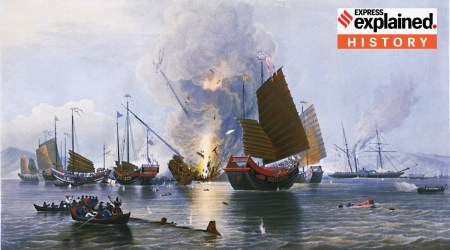
Amitava Ghosh’s latest book ‘Smoke and Ashes’ explores the remarkable history of the opium poppy, and how it has shaped – and is shaping – the world around us.
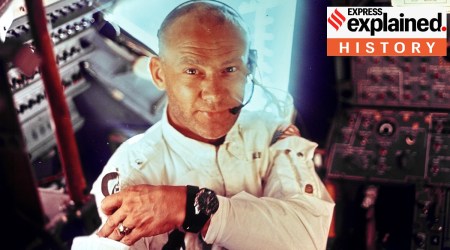
Almost 60 years ago, NASA put chronographs built by three top watchmakers through a series of tests to check how they coped with extreme variations of temperature and pressure. Omega’s Speedmaster ‘Moonwatch’ won the contest.
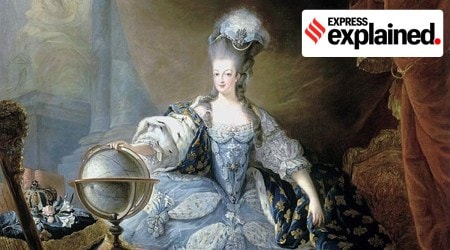
Did Marie Antoinette ever say “let them eat cake”? If not her, who did, and why does it continue to stick to her? We explain.
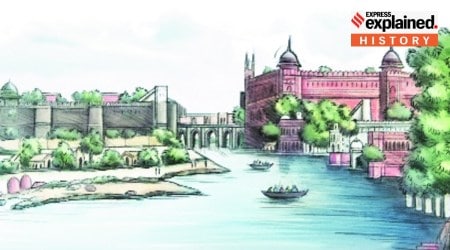
Following very heavy rain, the Yamuna in Delhi temporarily reclaimed parts of the course that it abandoned centuries ago. Delhi has an old history with its river; a relationship that has changed dramatically over time.
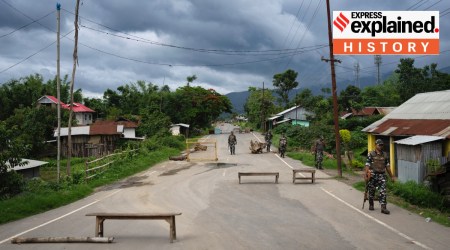
The names ‘Lamka’ and ‘Churachandpur’ are both a little over a hundred years old and older demands for change are now making a return with increasing divisions among social groups.
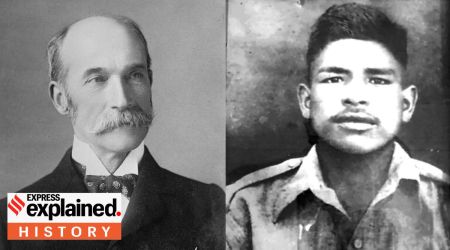
Rifleman Jaswant Singh was awarded the second highest gallantry award, Maha Vir Chakra, for his role in the Battle of Nuranang against the People's Liberation Army (PLA) of China in the North-East Frontier Agency (now Arunachal Pradesh) on November 17, 1962.
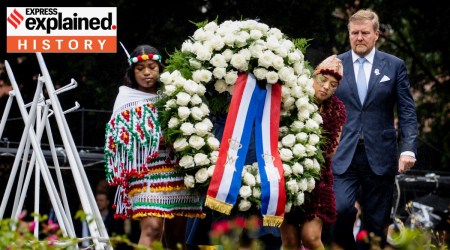
The year 2023 marks the 150th anniversary of the abolishment of slavery in Suriname and in Dutch colonies in the Caribbean in 1873, but the legacy of slavery continues posing questions to the State.
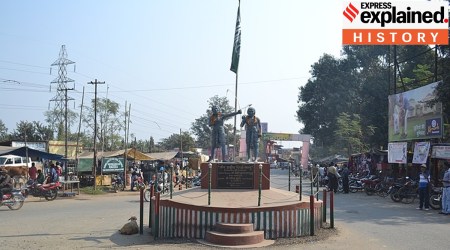
The Santal rebellion or ‘Hul’ – literally, revolution – began in 1855, two years before the the uprising of 1857, which is often referred to as “the first war for Indian independence”.

For many, Josef Stalin is the prototypical dictator, responsible for millions of deaths. Others see him as a bulwark against the injustices of capitalism and imperialism. What exactly did Stalin do, and what was his regime in Russia like?
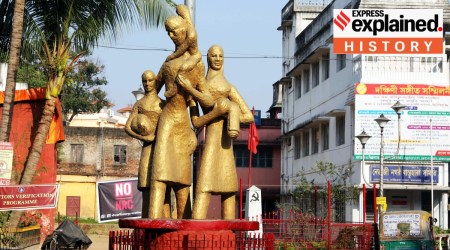
Salil Misra, a History Professor from Dr. B. R. Ambedkar University, Delhi, tells us briefly about the historical circumstances at the time of the 1947 partition of Bengal.
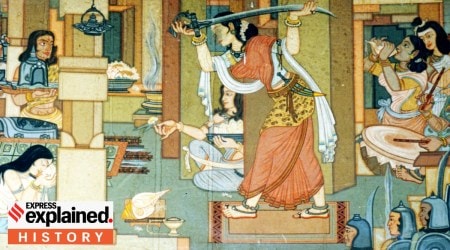
Home Minister Amit Shah and PM Narendra Modi were to attend the Rani Durgavati Gaurav Yatra in Madhya Pradesh. Who was the queen and what does the rally mean for the poll-bound state?
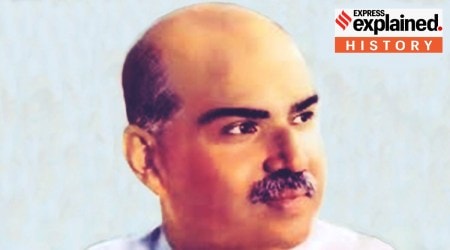
On the 70th death anniversary of Syama Prasad Mookerjee, we take a look at the post-Partition pact between India and Pakistan in 1950, which compelled him to resign from Jawaharlal Nehru’s cabinet.
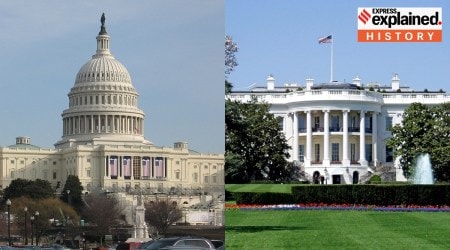
Prime Minister Narendra Modi will head to Washington DC tomorrow, where he will be hosted at the White House by US President Joe Biden for a state dinner, before delivering a speech to a joint session of the US Congress at the Capitol.