Journalism of Courage
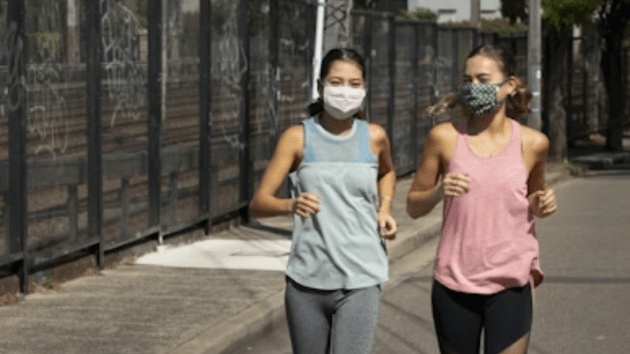
Pollutants like particulate matter (PM2.5), ozone, and nitrogen dioxide enter the airways during heavy breathing and trigger inflammation, oxidative stress, and respiratory strain. Over time, this makes it harder for the body to gain the full advantages of physical activity. WHO tells us how air pollution interferes with physical activity. (Source: Photo by unsplash)

Polluted Air Increase Inflammation: When you exercise outdoors, your breathing rate rises, which pulls more pollutants deep into the lungs. These particles irritate the airways, cause inflammation, and reduce lung capacity. As a result, the lungs have to work harder, making exercise more difficult and less effective. (Source: Photo by unsplash)

Pollutants Lower Exercise Performance: High pollution levels can limit the amount of oxygen reaching the muscles, reducing endurance and stamina. This makes workouts feel more tiring and prevents individuals from reaching their usual performance levels or fitness goals. (Source: Photo by unsplash)
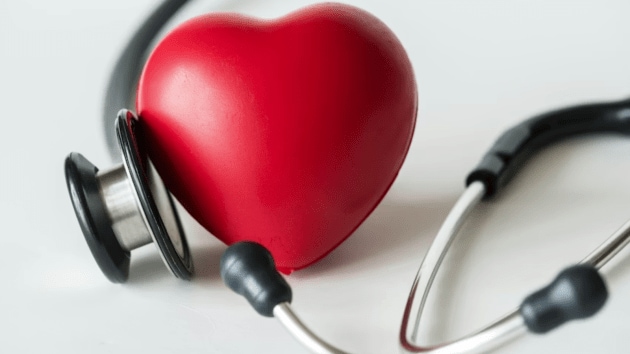
It Reduces Cardiovascular Benefits: Physical activity typically strengthens the heart, but exposure to polluted air can increase blood pressure, thicken blood, and create oxidative damage in blood vessels. This counteracts the cardiovascular improvements normally gained from regular exercise. (Source: Photo by unsplash)

It Reduces Long Term Gains: Over time, chronic exposure to polluted air during exercise can blunt improvements in endurance, metabolism, heart function, and lung strength. Even consistent workouts deliver fewer benefits, since the body is continuously fighting pollutant induced harm. (Source: Photo by unsplash)

It Aggravates Respiratory Conditions: People with asthma, allergies, or chronic respiratory issues are especially vulnerable. Polluted air can trigger wheezing, coughing, and chest tightness during exercise, discouraging regular activity and weakening long term health benefits. (Source: Photo by unsplash)

Pollutants Increase Oxidative Stress: During exercise, the body naturally produces small amounts of oxidative stress, but polluted air pushes this stress to harmful levels. Excess oxidative damage reduces the body’s recovery capacity, slows muscle repair, and weakens immunity after workouts. (Source: Photo by unsplash)