6 min read





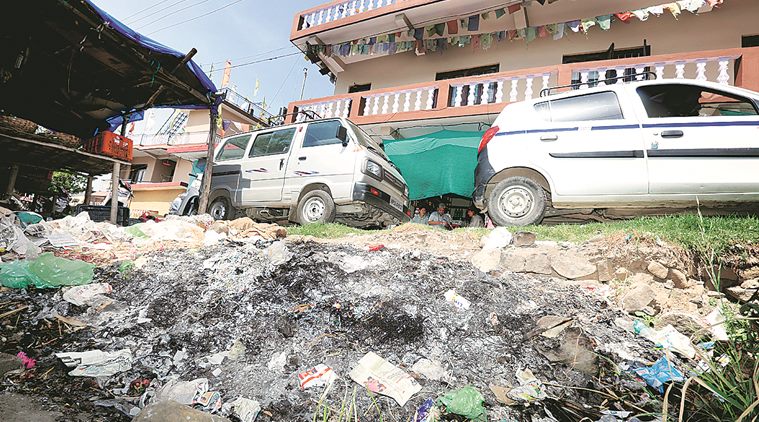 Burning is one of the common methods used to dispose garbage in Chogan, Kangra. (Gurmeet Singh)
At the heart of India’s most sought after paragliding site — Bir-Billing in Kangra district of Himachal Pradesh — are two villages that are engulfed in orange light as the sun sets while the winter snow still gleams on distant mountains.
Chogan, at 1,400 metres above sea level, has a picturesque landscape with more than 80 cafes, bakeries and eateries nestled in every nook and cranny. The Blue Umbrella, Door Cloud, Vairaagi, June 16, Punjabi Rasoi and several others, every eatery has a story. A Tibetan colony has Buddhist monks walking down the lanes, a monastery and every second shop offering bicycles on rent to tourists. Keori, a neighbouring village, is equally beautiful and has a landing site for paragliders. In both villages, cafes are being run not only by locals and Tibetans but by migrants from Punjab, Chandigarh, Pune, Delhi, who landed at Bir-Billing looking for a peaceful and prosperous life.
But look closer at these two villages — which have seen an unprecedented rise in tourism last two years — and a problem that runs deep in their veins, stands out as a sore thumb amid all that beauty.
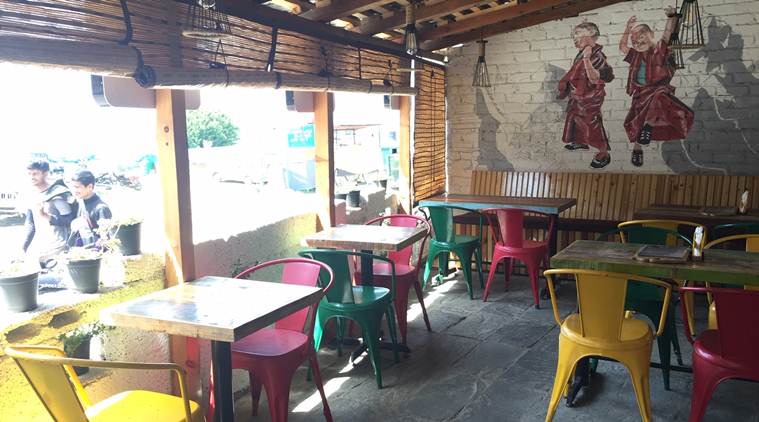 Chogan and Keori are two scenic villages at the heart of country’s paragliding destination- Bir Billing, with more than 80 cafes and eateries but no garbage disposal system. (Express Photo by Gurmeet Singh)
Smelly drains, littering, polluted water bodies and heaps of waste on fire — they have it all. ‘Swachh Bharat’ has definitely taken a backseat in these villages of Kangra Lok Sabha constituency earlier held by BJP veteran Shanta Kumar. They have no provision of garbage collection or disposal or segregation despite hundreds of tourists thronging the area every day. In fact, the garbage problem has drawn divisive lines between locals, ‘outsiders’ and Tibetans — each accusing the other of being responsible for this mess. However, they all agree on one point — that the government has failed to solve their garbage problem. And with elections on in full swing, local residents strongly believe that this is the key matter that should be addressed. Click here for more election news
So how do people here dispose their garbage and where? They either burn everything (including plastic) or dump in water bodies.
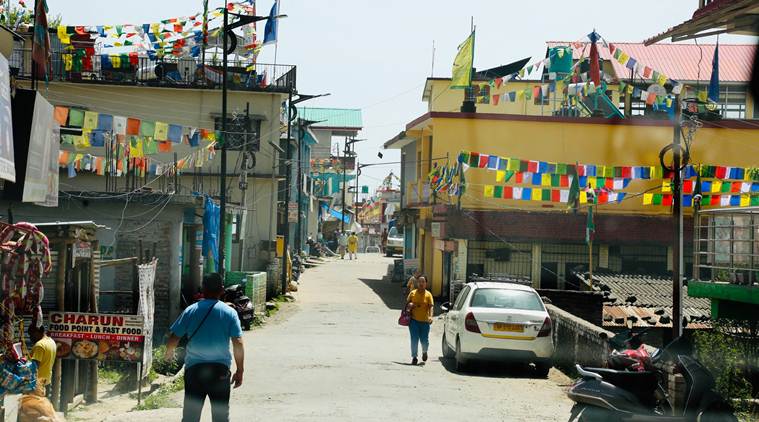 Tibetan colony at Chogan of Bir-Billing paragliding site in Kangra. (Express Photo by Gurmeet Singh)
Gurpreet Singh Dhindsa (53), a renowned paragliding instructor in the area, who also runs the ‘The Blue Umbrella’ cafe, had moved from Gurdaspur to Bir-Billing in 1997. “The biggest problem here is that of garbage disposal. In every corner there is an eatery and daily garbage production is only increasing by the day. There is no mechanism to segregate kitchen waste and plastic. Some people are doing it at their own level but mostly it goes in drains, rivers and some just burn it. We use kitchen waste to make manure and dig a pit to dump plastic etc. There is no other solution. There have been promises and promises like those of installation of plastic bottle crushers etc., but we are yet to see them,” he said. “Locals here blame outsiders for pollution and dumping irresponsibly but the fact is locals too dump it wherever,” he added.
Deepak Kumar from Pinjore, who runs Himalayan Pizza Cafe, said, “We dig a pit to dispose garbage. It is such a huge problem here. No one comes to collect it and there is no marked site where we can dump it.”
“We simply burn the waste, what to do?” said Anil who runs a South-Indian cafe called ‘Avva’.
Tibetans meanwhile say they are paying from their own pockets to get rid of this garbage problem, at least temporarily. “Collecting Rs 50 from each shop, we have hired two sweepers for Rs 3,000 a month who collect garbage from our settlement and dispose it. Now we can’t say where and how they dispose it. What can we do if there is no system,” asked Dhoundup Tashi, who runs a spices shop.
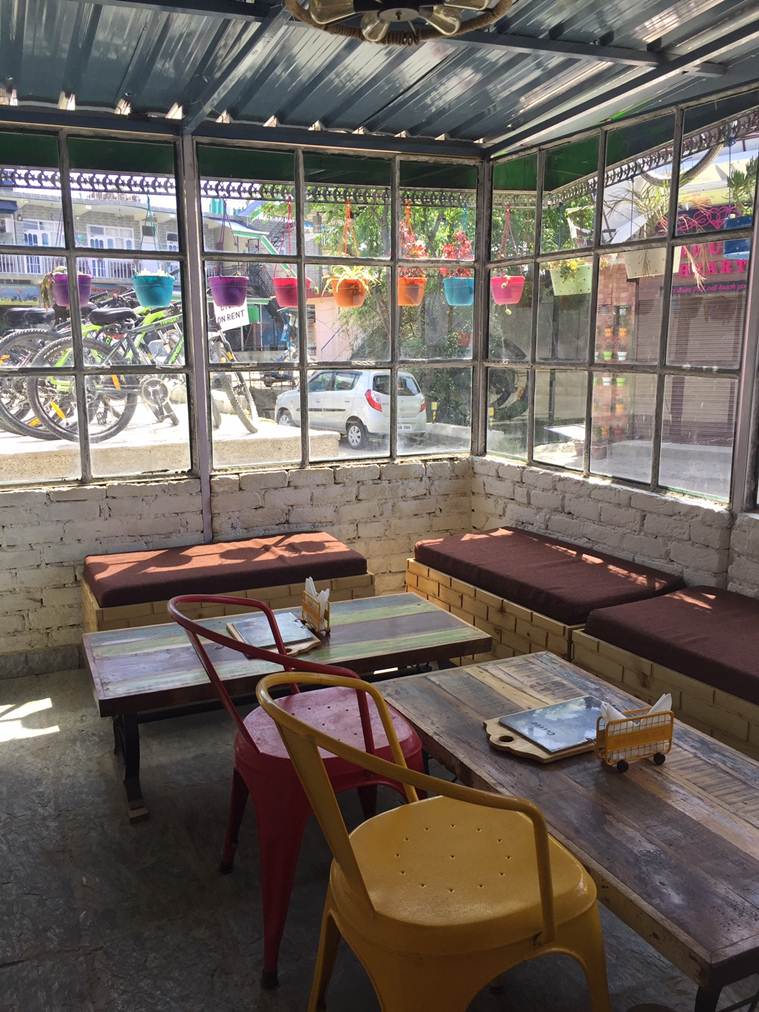 Chogan and Keori are two scenic villages at the heart of country’s paragliding destination- Bir Billing, with more than 80 cafes and eateries but no garbage disposal system. (Express Photo by Gurmeet Singh)
Some Tibetans also claimed that they are managing with a garbage dump from where waste is taken away three days a week.
However, Chogan sarpanch Suresh Kumar from BJP said, “Ask them (Tibetans) where that waste goes? They dump it in drains, rivers or simply burn it…outsiders running cafes and hotels have created more mess.”
Raj Kumar, sarpanch of Keori, said, “Outsiders are polluting water bodies. We segregate and make baskets, bricks and mats from plastic. Our panchayat has planned to install a machine to convert kitchen waste into manure after elections.”
This time, Cabinet minister for Food, Civil Supplies and Consumer Affairs Kishan Kapoor from BJP is pitted against Pawan Kajal from Congress from Kangra Lok Sabha seat.
However, at Chogan, a village of around 2,500 people, almost half are Tibetans of whom roughly 100-150 are registered as voters while ‘outsiders’ from other Indian states won’t vote here.
Asked about the garbage problem, local BJP MLA Mulkh Raj Premi told The Indian Express, “We have plans to spend Rs 5 crore from tourism funds to develop Bir-Billing which also includes solving garbage problem in Chogan and Keori. There are some 100-150 Tibetans registered as voters in Chogan. We are not ignoring them or others in any way.”
Local SDM Rameshar Das said that the process for ‘site selection’ is on to make a garbage dump and install plastic bottles crushers. “Currently, locals are just burning waste or dumping wherever they find space. We are also coordinating with Tibetan community to find a solution,” he added.