


Stay updated with the latest - Click here to follow us on Instagram
Tags:


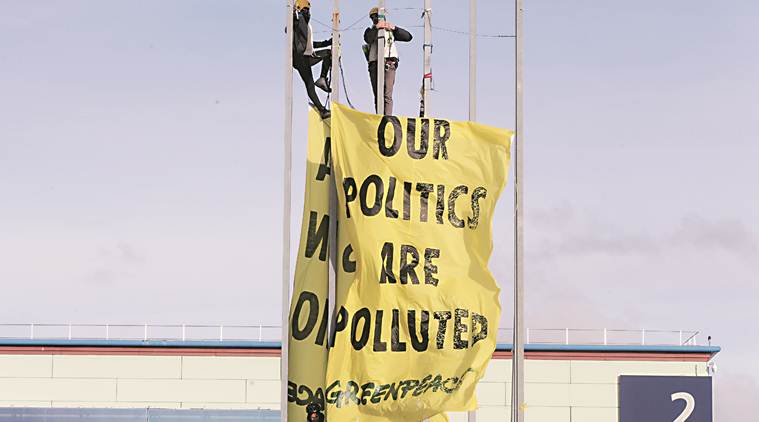
Unable to make any significant progress on main agenda issues such as the creation of new carbon markets, as was expected, discussions on contentious issues at the Madrid climate talks are set to be postponed to next year.
The talks, scheduled to end Friday evening, were set to go into extra time, as is routine with such annual conferences, but decisions on the main issues are unlikely. The draft texts on carbon markets that appeared Friday continued to be heavily bracketed, each bracket representing an unresolved difference. Further revision of the texts are not expected to be substantially different.


On the issue of carbon markets, most of India’s concerns are reflected in the current draft text. In Madrid, countries were trying to create rules to establish a new carbon market under the Paris Agreement to replace the one under the soon-to-expire 1997 Kyoto Protocol. Carbon markets allow the buying and selling of emission reductions, in the form of carbon credits, between countries and private entities with the overall objective of incentivising deeper cuts in greenhouse gas emissions. Broadly, a country able to reduce emissions in excess of its targets can sell additional reductions to another country.
India, Brazil and a few others have been vocal in demanding that their unsold carbon credits from Kyoto markets be transferred to the next ones — a demand that developed countries were resisting. The current draft text, unlikely to be significantly altered, keeps the options on transferring Kyoto credits to the new market. All details of the carbon markets are proposed to be decided over the next year by a “supervisory body” that will be set up. Significantly, the draft texts on carbon markets do not make any mention of “human rights”.
Some countries and non-government organisations had been demanding that projects in developing countries, to be eligible to earn carbon credits and participate in carbon markets, should be asked to ensure that their activities do not have any negative impact on local communities, and were in line with human rights. Developing countries were strongly opposed to this demand on the grounds that the international climate framework had no mechanism or jurisdiction over human rights.
The next climate change conference is scheduled to be held in Glasgow next year.


Stay updated with the latest - Click here to follow us on Instagram


